


Introduction:
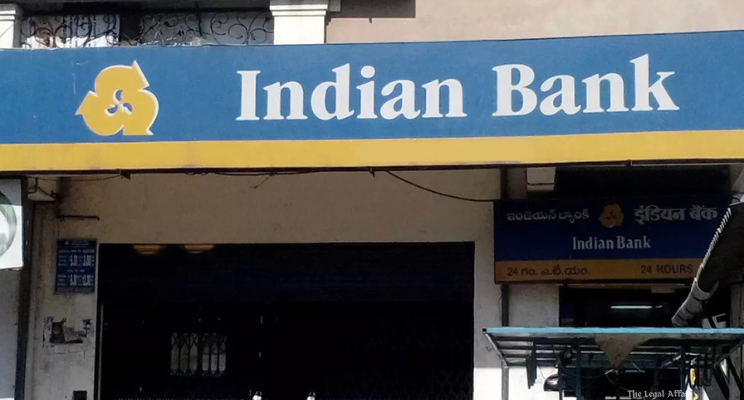
This case arises from a writ petition filed by Mrs. Sangeeta Shyambhai Shah and another petitioner against the Union of India, the Reserve Bank of India, and Indian Bank, Rajkot, before the Gujarat High Court, where the petitioners alleged that gold jewellery worth approximately ₹1.15 crore pledged as security for an MSME jewel (gold) loan had gone missing while in the custody of the bank, yet the bank continued to collect interest for several months without disclosing the loss, and Justice Aniruddha P. Mayee, upon hearing the matter, issued notice to all respondents, returnable on 27.01.2026, recording waiver of service by counsel for the Union of India and RBI and permitting direct service on the bank, thereby formally calling upon the authorities to respond to serious allegations of suppression, breach of fiduciary duty, and failure to safeguard pledged assets; the petitioners stated that in 2023 they had availed MSME jewel loans by pledging gold ornaments including necklaces, bangles, rings, and gemstones weighing about 1004.10 grams, valued at around ₹1.15 crore, that the loan accounts were subject to annual renewal during which physical verification of the pledged gold was to be conducted in their presence along with a valuer, that earlier renewals had taken place smoothly and the petitioners relied on the bank’s repeated assurance of safe custody, that from 1 September 2024 to 21 November 2025 they paid interest amounting to ₹4,12,718 without any default, and that until October 2025 the bank never intimated any issue regarding the security of the pledged gold; however, when the petitioners applied for renewal in October 2025 and submitted written requests on 28 October 2025, the bank allegedly admitted that the pledged gold had gone missing and that the loss had in fact been detected during an inspection in March 2025, meaning that for nearly seven months the bank neither informed the borrowers nor took effective remedial steps while continuing to demand and accept interest, which according to the petitioners amounted to concealment, unfair trade practice, and gross breach of duty of care, and further, despite representations dated 5 November 2025 seeking reimbursement, the bank neither compensated them nor gave any timeline, causing financial uncertainty and mental distress, and it was also discovered that the bank had only made a Janva Jog police entry on 22 July 2025 without registration of an FIR, while simultaneously threatening to classify the account as NPA and impose penal charges, thereby jeopardizing their creditworthiness despite the loss having occurred entirely within the bank’s custody.
Arguments:
On behalf of the petitioners, it was contended that once gold is pledged, the bank becomes a bailee under law and is bound by strict standards of care, and any loss of pledged property raises a presumption of negligence unless the bank proves otherwise, that continuing to collect interest while suppressing the fact of loss amounts to unjust enrichment and violates principles of fairness, transparency, and good faith expected from public sector banks, that the failure to immediately inform the borrowers and to lodge a proper FIR reflects institutional apathy and an attempt to downplay the gravity of the incident, that threatening NPA classification despite disappearance of security due to bank’s own lapse is arbitrary and violative of Article 14 of the Constitution, and that regulatory authorities like the RBI and the Union of India have supervisory responsibility and must act when systemic failures in safeguarding customer assets are alleged, therefore the petitioners sought directions to initiate action against the bank, to compensate them for the full value of the lost gold, or in the alternative to constitute an independent vigilance committee to inquire into the incident and fix responsibility; on the other hand, while detailed counter-affidavits were yet to be filed, the bank and authorities, through counsel, appeared to indicate that internal procedures and inspections were being undertaken, that criminal law processes had been set in motion through a police entry, and that liability and compensation would depend upon the outcome of investigations and internal accountability mechanisms, suggesting that immediate writ relief directing compensation might be premature without factual determination of how the loss occurred, whether it was due to theft, misplacement, or internal misconduct, and whether insurance or other recovery mechanisms were available, and it could also be argued that contractual terms of the jewel loan and internal banking guidelines would govern the process of settlement, and that regulatory bodies typically act after internal processes are completed; however, the petitioners emphasized that none of these explanations justified seven months of silence, continued interest collection, or threats of NPA classification, which according to them demonstrated not merely procedural delay but active unfairness.
Judgment:
At this preliminary stage, the Gujarat High Court did not finally adjudicate upon compensation or liability but took cognizance of the seriousness of the allegations and issued notice to all respondents, signaling that the Court found the matter fit for judicial scrutiny, particularly given that it involves public sector banking, alleged loss of high-value pledged assets, regulatory oversight, and potential violation of consumer and constitutional rights, and by fixing a returnable date and recording waiver of service by certain respondents, the Court ensured expeditious progress of the case, thereby preventing further prejudice to the petitioners through procedural delays, and while the order is interim in nature, its significance lies in the Court’s willingness to examine whether continued interest recovery after knowledge of loss, delayed police action, and threats of adverse credit classification are compatible with the legal duties of a bank acting as custodian of pledged property, and whether regulatory authorities can remain passive when such allegations surface, and the case thus raises broader questions about accountability mechanisms within banks, the adequacy of safeguards for pledged valuables, and the remedies available to borrowers when institutional failures occur; the final outcome will likely hinge on whether the bank can demonstrate absence of negligence, promptness of response, and compliance with regulatory and contractual obligations, and whether the Court finds that constitutional remedies are warranted in addition to civil or contractual claims, but at this stage, the issuance of notice itself underscores that allegations of concealed loss of pledged gold and continued financial extraction from borrowers cannot be treated lightly and merit a full and transparent judicial examination.