


Introduction:
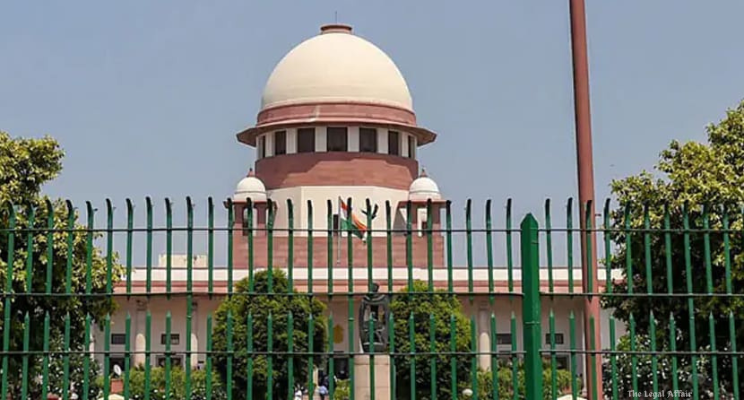
The Supreme Court, on April 26, declined to intervene in the Madhya Pradesh High Court’s decision regarding the eligibility criteria for entry-level judicial service candidates in the state. The case revolved around an amendment stipulating a minimum of three years of legal practice or 70% marks in law graduation for aspiring civil judges.
Arguments:
The petitioner challenged the amendment, arguing that it violated constitutional principles, including the right to equality under Article 14. However, the High Court justified the amendment as a means to ensure a qualitative dispensation of justice, prioritizing excellence over mediocrity. The court highlighted the importance of maintaining high standards in the judiciary and enhancing the quality of judgments for the benefit of litigants.
Court’s Judgment:
The Supreme Court, after considering the submissions, upheld the Madhya Pradesh High Court’s decision, emphasizing the importance of maintaining high standards in the judiciary. The court noted that the amendment aimed to enhance the quality of judgments and did not unfairly restrict opportunities for candidates. Therefore, it declined to declare the amendment unconstitutional or ultra vires.