


Introduction:
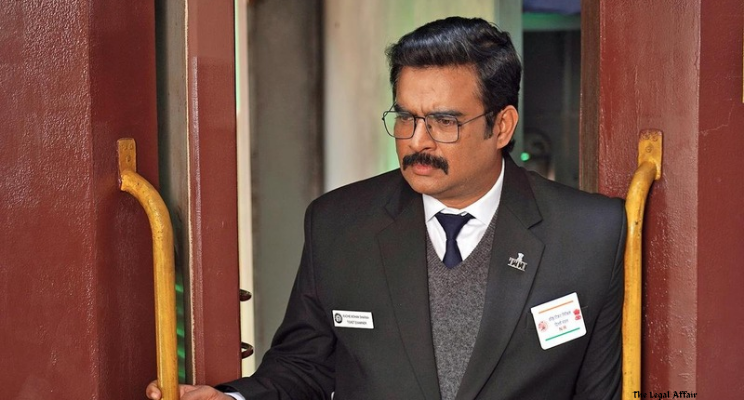
In Ranganthan Madhavan v. G FIMLZ Studioz & Ors., the Delhi High Court was called upon to adjudicate a pressing and contemporary issue at the intersection of technology, privacy, reputation, and intellectual property—namely, the unauthorised exploitation of personality rights through deepfake and AI-generated content. The suit was instituted by renowned Bollywood actor R. Madhavan, a widely recognised public figure with decades of goodwill and reputation, seeking urgent protection against the misuse of his name, image, likeness, and persona across digital platforms. The matter came up before Justice Manmeet Pritam Singh Arora, who passed an ad interim injunction order restraining the defendants from exploiting the actor’s personality traits, including circulation of fake AI-generated videos and trailers, as well as commercial sale of merchandise bearing his likeness. Represented by Senior Advocate Swathi Sukumar, the plaintiff highlighted the alarming rise in deepfake technology and the irreparable harm caused to a celebrity’s reputation, dignity, and economic interests when such content is circulated unchecked. The case also gained significance in light of the Court’s recent clarification that individuals seeking urgent takedown of online content must first approach social media intermediaries before invoking judicial remedies—a step that Madhavan had duly complied with prior to filing the suit.
Arguments of the Plaintiff:
On behalf of the actor, Senior Advocate Swathi Sukumar advanced a detailed and forceful argument emphasising that personality rights are an intrinsic facet of the right to life and personal liberty under Article 21 of the Constitution, especially for public figures whose identity itself carries commercial and reputational value. It was submitted that the defendants had created and circulated deepfake and AI-generated content, including fake trailers and misleading videos, which falsely portrayed the actor in contexts he had never consented to, thereby misleading the public and damaging his carefully cultivated public image. Counsel argued that such unauthorised use constituted a clear violation of Madhavan’s personality rights, right to privacy, and right of publicity, as well as actionable passing off. The plaintiff also drew the Court’s attention to the commercial exploitation involved, particularly the sale of merchandise using his likeness, which not only caused economic loss but also diluted the exclusivity of endorsements and associations carefully chosen by the actor. It was further contended that deepfake technology poses a unique and heightened threat because of its realism, making it extremely difficult for the public to distinguish between genuine and fabricated content, thereby multiplying the reputational harm. Importantly, the plaintiff demonstrated bona fides by informing the Court that he had already approached the concerned social media platforms seeking takedown of the infringing content, in compliance with the Court’s earlier observations on intermediary-first recourse. Counsel relied upon a growing body of Delhi High Court jurisprudence recognising and enforcing personality rights, citing similar protective orders granted to public figures such as actors, spiritual leaders, journalists, and content creators. The plaintiff asserted that unless immediate injunctive relief was granted, the harm would be irreversible, as digital content spreads rapidly and permanently alters public perception.
Arguments of the Defendants:
While the detailed defence submissions were limited at the interim stage, the defendants broadly sought to resist blanket restraints by contending that not all uses of a celebrity’s name or likeness automatically amount to infringement, particularly where creative expression or parody is involved. It was suggested that the internet is a space of free expression and that overly broad injunctions may have a chilling effect on creativity and speech. However, the Court noted that the content in question prima facie went beyond permissible expression, especially where obscenity, deception, and commercial exploitation were involved. The defendants were unable, at this stage, to demonstrate consent, licence, or any legitimate justification for using the actor’s personality traits, particularly in the context of AI-generated fake videos and merchandise sales.
Court’s Judgment:
After considering the submissions, Justice Manmeet Pritam Singh Arora passed an ad interim injunction decisively protecting the personality rights of R. Madhavan. The Court restrained the defendants from misusing the actor’s name, image, likeness, voice, or any other identifiable personality traits, particularly through deepfake or AI-generated content. The judge specifically observed that the unauthorised circulation of such content poses serious concerns relating to dignity, reputation, and consumer deception. While granting relief, the Court made a nuanced distinction between different categories of misuse, expressly issuing injunctions against the commercial sale of merchandise by defendants numbered 1, 3, and 4, and against defendant number 2 on the ground of obscenity, thereby tailoring the relief to the nature of infringement. The Court also took note of the fact that the plaintiff had first approached social media platforms before filing the suit, aligning with the Court’s earlier clarification that urgent judicial intervention should ordinarily follow intermediary-level efforts. In doing so, the Court reaffirmed the evolving judicial approach that balances free speech with protection against technological abuse. Justice Arora’s order fits squarely within a consistent line of precedents from coordinate benches of the Delhi High Court, which have previously protected the personality rights of prominent individuals including Sri Sri Ravi Shankar, Nagarjuna, Aishwarya Rai Bachchan, Abhishek Bachchan, Karan Johar, journalist Sudhir Chaudhary, and podcaster Raj Shamani, as well as similar suits filed by Pawan Kalyan, Sunil Gavaskar, Salman Khan, and NTR Junior. The judgment underscores the Court’s recognition that in the age of artificial intelligence, personality rights require robust and proactive judicial protection to prevent irreversible harm. By granting the injunction, the Court reaffirmed that the law will not remain a passive spectator while technology is misused to distort identity, profit from deception, and erode personal autonomy.