


Introduction:
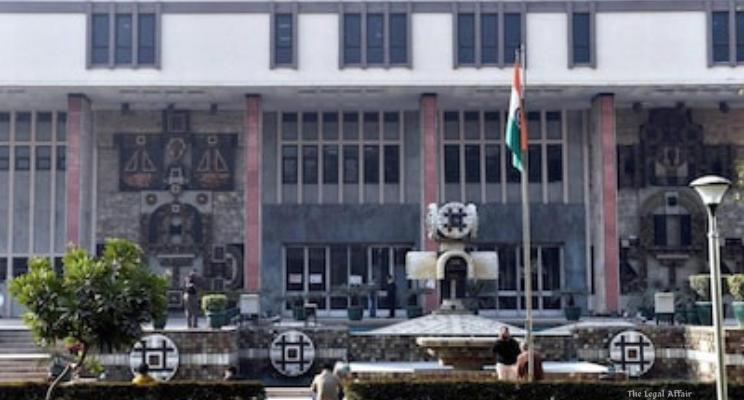
In Amrit Wilson v. Union of India & Ors., the Delhi High Court examined a challenge mounted by UK-based writer and journalist Amrit Wilson against the cancellation of her Overseas Citizen of India (OCI) card. The matter came up before Justice Purushaindra Kumar Kaurav, who directed the Central Government to file its detailed submissions while listing the case for further hearing in August. During the proceedings, the Court orally remarked that “we should not be such a tolerant State that we allow our own country to be criticised or maligned at international platform.” The Union Government, represented before the Court, handed over a sealed cover containing reasons for cancellation, citing intelligence inputs and allegations of “anti-India activities.” The petitioner contends that the cancellation is arbitrary, illegal, and violative of principles of natural justice, particularly as the show cause notice allegedly lacked material particulars. The case raises significant constitutional questions concerning freedom of expression, sovereign interests, and procedural fairness in the context of OCI status.
Factual Background:
Amrit Wilson, a UK-based writer and journalist of Indian origin, was granted OCI status, enabling her to maintain close ties with India, visit freely, and undertake professional engagements. In November 2022, the High Commission of India in London issued a show cause notice alleging that she was engaged in “detrimental propaganda against the Indian government” and involved in “multiple anti-India activities” posing a threat to the sovereignty and integrity of India and the interests of the general public.
The notice culminated in an order dated March 17, 2023, cancelling her OCI card. Aggrieved by the cancellation, Wilson approached the Delhi High Court seeking quashing of the order, contending that it was ex facie illegal and arbitrary. She also challenged the non-adjudication of her revision application filed before the Ministry of Home Affairs on April 17, 2023, which remained pending despite repeated representations.
During the hearing, the Union Government submitted that there were reports from the Intelligence Bureau alleging her participation in anti-India activities. A sealed cover was handed to the Court detailing the reasons for cancellation.
Petitioner’s Arguments:
Senior Advocate Trideep Pais, appearing for Wilson, advanced arguments grounded in constitutional protections and principles of natural justice.
1. Vagueness and Lack of Particulars
The petitioner contended that the show cause notice was “bereft of any details.” It failed to provide specific instances, material particulars, or a summary of allegations sufficient to enable her to prepare an effective defence. Merely invoking phrases such as “anti-India activities” or “detrimental propaganda” without factual substantiation, counsel argued, rendered the notice arbitrary.
Such vagueness, it was submitted, violates fundamental procedural safeguards. The right to defend oneself necessarily presupposes knowledge of the case one must meet.
2. Violation of Natural Justice
The petitioner asserted that the cancellation order violated the principles of audi alteram partem. Without disclosure of specific allegations or evidence, she was deprived of a meaningful opportunity to respond.
The continued pendency of her revision application before the Ministry of Home Affairs further compounded the prejudice. The inaction of the authority, despite repeated requests, effectively denied her statutory remedy.
3. Freedom of Expression
Wilson argued that as a writer and journalist, it is her professional and ethical duty to comment on the actions of governments, including the Indian Government, particularly on issues concerning human rights. Such commentary, the petition states, falls squarely within the ambit of free speech and democratic discourse.
Although OCI cardholders are not citizens, the petitioner emphasized that criticism of government policy cannot automatically be equated with anti-national activity. Democratic governance, she argued, thrives on dissent and debate.
4. Severe Personal and Professional Hardship
The petition highlighted the grave hardships resulting from the cancellation. The OCI status enabled Wilson to maintain personal, familial, and professional ties with India. Its cancellation forced her to sever these connections abruptly.
She was also engaged in discussions with publishers regarding a research project involving an annotated collection of her mother’s journalistic writings on Indian society. The cancellation obstructed her ability to undertake this project.
The petitioner contended that such drastic consequences necessitate heightened procedural fairness and transparency.
Respondent’s Position:
The Union of India defended the cancellation, though detailed submissions are yet to be filed.
1. Intelligence Inputs
The Government informed the Court that there were Intelligence Bureau reports alleging Wilson’s participation in anti-India activities. The nature of these allegations was placed before the Court in a sealed cover.
The reliance on intelligence inputs suggests that the Government considers the matter sensitive, potentially involving national security or sovereign interests.
2. Sovereignty and Integrity of India
The show cause notice accused Wilson of engaging in propaganda detrimental to India’s sovereignty and integrity. The Government appears to have invoked statutory provisions permitting cancellation of OCI status where the holder’s activities are prejudicial to national interest.
3. Sealed Cover Submission
By submitting reasons in a sealed envelope, the Government indicated that the material may be confidential or security-sensitive. Such practice, though not uncommon in matters involving intelligence inputs, often raises concerns about transparency and fair opportunity to contest.
Court’s Observations:
Justice Purushaindra Kumar Kaurav made a pointed oral remark during the hearing:
“We should not be such a tolerant State that we allow our own country to be criticised or maligned at international platform.”
This observation reflects the Court’s recognition of the delicate balance between free expression and protection of national reputation and sovereignty.
However, the Court did not render a final determination. Instead, it directed the Central Government to file detailed submissions and listed the matter for further hearing in August.
The direction indicates that the Court intends to examine the legality of the cancellation order comprehensively, including the adequacy of the show cause notice and compliance with procedural safeguards.
Legal Issues Emerging:
The case raises several significant legal questions:
Scope of Executive Power Over OCI Status:
The Government’s authority to cancel OCI status must be exercised in conformity with statutory provisions and constitutional principles.
Procedural Fairness and Disclosure:
Whether vague allegations and sealed cover submissions satisfy the requirements of natural justice.
Freedom of Expression vs. National Security:
The extent to which criticism of government policy may be construed as detrimental to sovereignty.
Judicial Review of Intelligence-Based Decisions:
The standard of scrutiny applicable where executive action relies on confidential intelligence inputs.
Broader Constitutional Context:
While OCI status is a statutory privilege rather than a constitutional right, administrative decisions affecting such status must adhere to fairness, reasonableness, and non-arbitrariness under Article 14.
The case sits at the intersection of national security considerations and the protection of dissenting voices. Courts have consistently held that even in matters involving sovereign prerogatives, procedural safeguards cannot be lightly disregarded.
The sealed cover practice, increasingly debated in constitutional adjudication, may also become a focal point in this litigation.
Current Status:
The Delhi High Court has not yet adjudicated on the merits of the challenge. It has directed the Union Government to file its submissions and listed the case for hearing in August. The matter remains pending.