


Introduction:
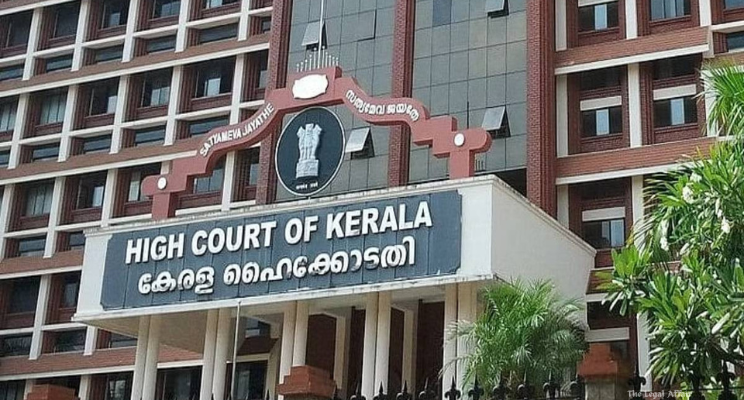
In M/s. Kosamattam Finance Ltd. v. Deputy Labour Commissioner and Anr. (WP(C) No. 34801 of 2025; 2026 LiveLaw (Ker) 103), the Kerala High Court reaffirmed the foundational principle that jurisdictional defects strike at the root of adjudicatory authority and can be corrected in exercise of powers under Article 226 of the Constitution, even where no objection was raised before the statutory authority. Justice Gopinath P. allowed a writ petition filed by M/s. Kosamattam Finance Ltd., setting aside an order passed by a State-appointed Controlling Authority under the Payment of Gratuity Act, 1972, on the ground that it lacked jurisdiction. The Court held that where an establishment operates in more than one State, the competent Controlling Authority would be one appointed by the Central Government under Sections 2(a) and 2(d) of the Act. The failure of the employer to object to jurisdiction at the initial stage, the Court ruled, does not cure the defect nor bar relief under Article 226. The judgment clarifies the interplay between statutory jurisdiction, waiver, and the constitutional supervisory powers of High Courts.
Factual Background:
The petitioner company is a financial establishment with branches across more than one State. A former employee (the second respondent) filed a claim for gratuity before the first respondent, who was the Controlling Authority appointed by the State Government under the Payment of Gratuity Act, 1972. The employee had worked in branches situated in more than one State during his tenure.
The State-appointed Controlling Authority entertained the claim and passed an order determining gratuity payable to the employee. The petitioner did not raise an objection to the jurisdiction of the Controlling Authority during the proceedings.
Subsequently, the petitioner approached the High Court under Article 226 seeking to set aside the order, contending that the State-appointed authority lacked jurisdiction because, in terms of Section 2(a) read with Section 2(d) of the Payment of Gratuity Act, where an establishment has branches in more than one State, the competent Controlling Authority is the one appointed by the Central Government.
The employee opposed the writ petition, arguing that the employer had waived its right to object to jurisdiction by not raising it before the Controlling Authority and that an effective alternative statutory remedy was available.
Petitioner’s Arguments:
Counsel appearing for the petitioner advanced arguments rooted in statutory interpretation and jurisdictional principles.
1. Lack of Jurisdiction under the Payment of Gratuity Act
The petitioner relied on Section 2(a) of the Payment of Gratuity Act, 1972, which defines the appropriate Government in relation to establishments. It was contended that since the petitioner company has branches in more than one State, the “appropriate Government” is the Central Government.
Under Section 2(d), the “Controlling Authority” is one appointed by the appropriate Government. Therefore, the competent authority to adjudicate gratuity claims of employees of such establishments is the authority appointed by the Central Government and not the State Government.
Since the present claim was adjudicated by a State-appointed authority, the order was passed without jurisdiction and is void ab initio.
2. Jurisdictional Defect Cannot Be Waived
The petitioner contended that the absence of objection to jurisdiction during the proceedings does not validate an order passed without authority. Jurisdictional errors go to the root and cannot be cured by acquiescence or waiver.
It was argued that once it is shown that the authority lacked inherent jurisdiction, the High Court is duty-bound to set aside such an order in exercise of its powers under Article 226.
3. Article 226 Jurisdiction Not Barred by Alternative Remedy
The petitioner maintained that the existence of an alternative remedy under the Act does not bar the High Court from exercising jurisdiction where the order impugned is without jurisdiction. It was submitted that the rule of alternative remedy is a rule of prudence, not a bar to jurisdiction.
Respondent Employee’s Arguments:
The employee opposed the writ petition on both procedural and substantive grounds.
1. Waiver of Objection to Jurisdiction
The employee relied on a prior decision of the High Court in W.P (C) No. 11133/2021, where it was held that a party cannot be permitted to challenge jurisdiction at a belated stage after participating in proceedings without objection.
It was argued that by failing to object before the Controlling Authority, the petitioner had accepted its jurisdiction and cannot now turn around to challenge the order.
2. Availability of Alternative Remedy
The respondent contended that the petitioner bypassed the effective statutory remedy of appeal available under the Payment of Gratuity Act. The High Court should decline interference in view of the alternate remedy.
3. Substantive Justice
Implicit in the employee’s argument was the concern that technical objections should not defeat substantive rights, particularly in matters of social welfare legislation like the Payment of Gratuity Act.
Court’s Analysis:
Justice Gopinath P. carefully examined the statutory scheme and the rival submissions.
1. Interpretation of Sections 2(a) and 2(d)
The Court observed that Section 2(a) defines the “appropriate Government” and, in the case of establishments operating in more than one State, the Central Government is the appropriate Government. Section 2(d) defines the Controlling Authority as one appointed by the appropriate Government.
Since it was admitted that the petitioner company has branches in more than one State, the competent authority to consider gratuity claims of its employees was the authority appointed by the Central Government.
The Court noted:
“Going by the provisions of Section 2(a) read with the provisions of Section 2(d) of the 1972 Act, the 1st respondent ought to have concluded… that he had no jurisdiction to consider the claim…”
Thus, the State-appointed authority lacked jurisdiction.
2. Jurisdictional Error Is Fundamental
The Court emphasized that jurisdiction is foundational. An order passed without jurisdiction is null and void. Such a defect cannot be cured by consent, waiver, or failure to object.
The failure of the petitioner to object to maintainability before the Controlling Authority was held not to be fatal.
3. Distinguishing Earlier Decision
The Court held that the earlier judgment relied upon by the employee was not applicable to the facts of the present case. The principle of waiver cannot override statutory limits on jurisdiction.
4. Alternative Remedy Not an Absolute Bar
Reiterating settled principles, the Court held that the existence of an alternative remedy does not preclude exercise of jurisdiction under Article 226, especially where the impugned order suffers from lack of jurisdiction.
The High Court’s power of judicial review includes correcting such foundational errors.
Judgment:
Allowing the writ petition, the Kerala High Court set aside the orders passed by the State-appointed Controlling Authority.
The Court clarified that the employee is at liberty to approach the Controlling Authority appointed by the Central Government. If such a claim is filed, it shall be decided expeditiously and in accordance with law.
Legal Significance:
The judgment reinforces key principles:
Jurisdiction Is Non-Negotiable: Orders passed without jurisdiction are void.
Waiver Cannot Cure Inherent Defects: Failure to object does not validate an illegal order.
Article 226 as Constitutional Safeguard: High Courts retain wide powers to correct jurisdictional errors.
Clarity in Gratuity Claims: Establishments operating in multiple States fall under Central Government authority for gratuity adjudication.
The ruling strengthens procedural integrity while preserving employees’ substantive rights by permitting fresh adjudication before the competent authority.