


Introduction:
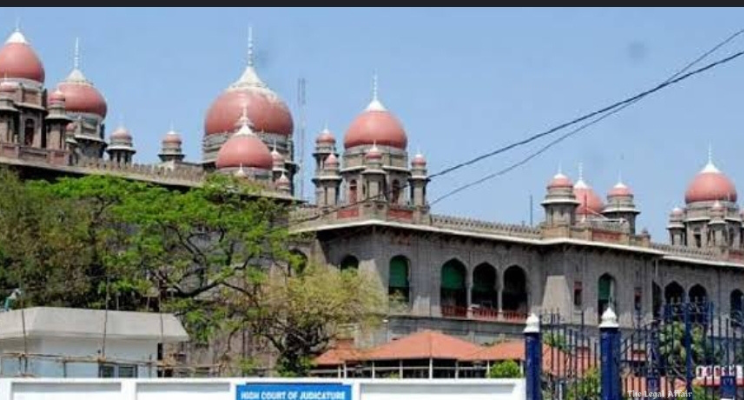
In a significant ruling, the Telangana High Court has upheld the constitutionality of the Andhra Pradesh/Telangana Unaided Non-minority Professional Institutions (Regulations of Admissions into Undergraduate Medical and Dental Professional Courses) Rules, 2007, and the Telangana Medical and Dental Colleges Admission (Admission into MBBS & BDS Courses) Rules, 2017. These regulations reserve 1% of seats for children of ex-servicemen and current service personnel from the Army, Navy, and Air Force who are domiciled in Telangana, without extending this benefit to dependents of Central Armed Police Forces (CAPF) personnel.
Case Background:
The petitioners, dependents of a Border Security Force (BSF) personnel, appeared for the NEET 2024 examination. They challenged Clause E of the admission prospectus, which provides a 1% horizontal reservation for special categories, specifically for children of Armed Forces personnel, excluding those from CAPF backgrounds. The petitioners contended that this exclusion was discriminatory and violated Article 14 of the Constitution, which guarantees equality before the law.
Petitioners’ Arguments:
The petitioners argued that:
- Definition of Armed Forces: The BSF Act, of 1968, refers to the BSF as an “Armed Force of the Union” tasked with ensuring border security. Therefore, BSF personnel should be considered part of the Armed Forces, making their children eligible for the reservation.
- Comparable Service Conditions: CAPF personnel, including those from BSF, CISF, CRPF, ITBP, and SSB, perform duties similar to those of the Army, Navy, and Air Force, often in equally challenging conditions. Excluding their children from the reservation lacks a rational basis.
- Government Recognition: An Official Memorandum dated March 18, 2011, recognized CAPF as part of the Armed Forces, suggesting that their personnel should be treated on par with traditional military forces.
Respondent’s Arguments:
The State of Telangana and other respondents countered that:
- Distinct Legal Frameworks: The Army, Navy, and Air Force are governed by separate legislative frameworks with distinct service conditions compared to CAPF personnel. This distinction justifies differential treatment in reservation policies.
- Policy Decision: The reservation policy aims to address specific challenges faced by Armed Forces personnel, such as shorter service tenures and frequent relocations. Extending this reservation to CAPF dependents would dilute the policy’s objectives.
- Existing Provisions for CAPF: The State provides reservations for CAPF children in other educational courses based on expert recommendations. The absence of such reservations in medical admissions does not constitute discrimination.
Court’s Judgment:
The bench, comprising Justices Sujoy Paul and Renuka Yara, upheld the existing reservation policy, stating that the classification is based on intelligible differentia and does not violate Article 14. The court observed:
- Reasonable Classification: The differentiation between children of Armed Forces personnel and CAPF personnel is reasonable, given the distinct service conditions and legal frameworks governing these forces.
- Legislative Competence: The State has the authority to frame admission rules and policies. Administrative orders or executive instructions cannot override these legislatively backed rules.
- Expert Recommendations: Decisions on reservations are based on expert opinions. The provision of reservations for CAPF children in other courses does not create an enforceable right for similar reservations in medical admissions.
The court concluded that extending the 1% reservation to CAPF dependents would require a policy decision by the State and cannot be mandated through judicial intervention.