


Introduction:
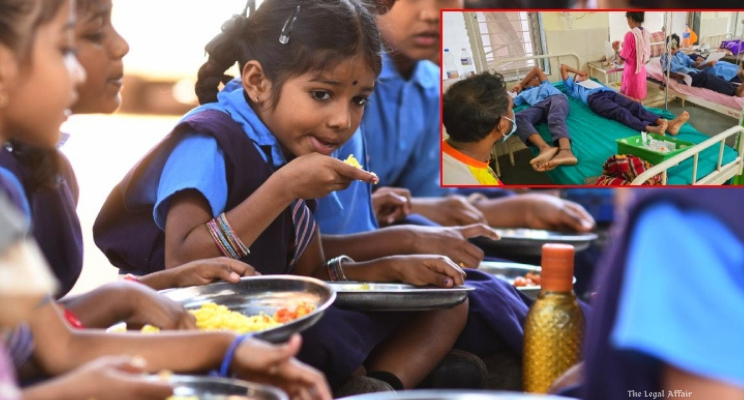
The Telangana High Court is hearing a public interest litigation (PIL) concerning lapses in the implementation of mid-day meal safety measures in government-run schools, following several incidents of students falling ill after consuming meals in late November 2024. The Division Bench, comprising Chief Justice Alok Aradhe and Justice J. Sreenivas Rao, reviewed the State’s action plan to enhance food safety, which included forming supervisory committees, changing contractors, and implementing additional protocols. The petitioner, Prabhakar Chikkudu, emphasized the need for strict enforcement of a 1994 Government Order mandating mid-day meal provision across State and local body schools, while the State government assured compliance with food safety standards through enhanced oversight and quality checks.
Arguments of Both Sides:
The petitioner argued that recurring food safety violations reflected systemic failures in the implementation of the mid-day meal scheme. He highlighted that such negligence jeopardized students’ health and undermined the constitutional mandate of providing nutritious meals to schoolchildren. He contended that despite the PM Poshan Scheme’s guidelines, enforcement was lax, and no effective accountability mechanisms existed. Referring to the recent hospitalizations, the petitioner underscored the need for immediate intervention, stringent safety protocols, and independent monitoring mechanisms.
In response, the State, represented by Senior Advocate Mohammed Imran Khan and supported by other legal representatives, outlined the corrective measures initiated post-incident. These included issuing a memo on November 27, 2024, to establish additional supervisory committees at the school level comprising the Head Master/Principal, Warden, and other staff members. These committees were tasked with inspecting food storage and preparation areas, tasting food for quality assurance, and maintaining photographic documentation. The State also informed the court of the District Collector’s directive for supervisory officers to conduct daily inspections and taste the food before serving it to students. Specific actions included suspending the Head Master and the mid-day meal in-charge teacher involved in the November 20th incident, removing the meal provider implicated in the November 21st case, and replacing raw materials used in meal preparation.
The State assured the court of its commitment to ensuring food safety, emphasizing that these measures went beyond the PM Poshan Scheme’s requirements. It requested time to submit a detailed compliance report, including findings from both State-constituted and PM Poshan Committees.
Court’s Judgment:
After reviewing the action taken report submitted by the State on December 2, the High Court acknowledged the steps undertaken to address food safety concerns but stressed the importance of sustained efforts to prevent recurrence. The Bench appreciated the State’s proactive measures, such as suspensions, contractor replacements, and food quality reviews. It, however, emphasized the need for robust implementation and monitoring mechanisms to ensure long-term efficacy.
The court observed that while the PM Poshan Scheme already provided a framework for food safety, the additional supervisory committees and directives introduced by the State demonstrated a necessary intent to address local challenges. It directed the State to submit a comprehensive report within six weeks, detailing findings from the committees and actions taken to rectify systemic shortcomings. The Bench also highlighted that adherence to food safety standards must be prioritized to safeguard students’ health and foster trust in government-run educational institutions.
In conclusion, the court reiterated the significance of the mid-day meal program as a vital welfare measure and reminded the State of its constitutional obligation to protect children’s right to health and nutrition. It reserved further directives pending submission of the detailed compliance reports.