


Introduction:
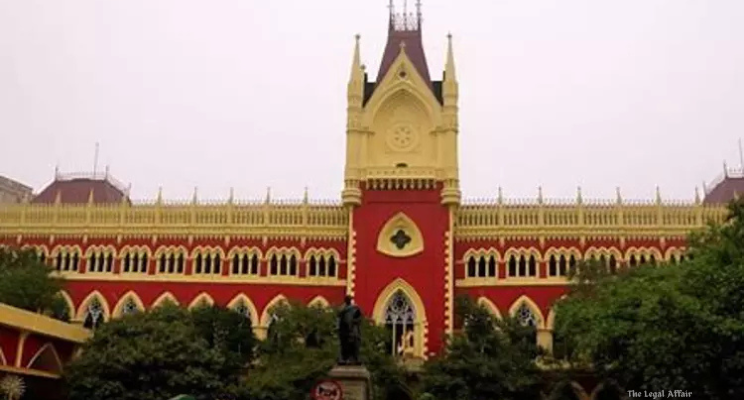
The High Court at Calcutta presided over by Justice Sugato Majumdar, dismissed an application filed by the intended first buyer of M/s. Bhoomi Minerals Ltd., seeking to recall a witness for further cross-examination under Order XVIII Rule 17 read with Section 151 of the CPC, 1908. The case emanates from a 2011 recovery suit filed by the sellers and ex-directors of the company against the intended first buyer following the failure of a Memorandum of Understanding (MoU). The court observed that the application was filed at a belated stage, after the arguments had concluded and the preliminary written notes were submitted, with no valid justification for the delay. The ruling underlines the principle that unexplained lethargy and procedural misuse cannot justify recalling witnesses to cure evidentiary gaps.
Arguments of Both Sides:
The intended first buyer argued that the application to recall the witness was necessitated by newly discovered evidence from the Ministry of Corporate Affairs website—a list of shareholders of the now-liquidated company. This evidence, they contended, was essential to confront the seller’s witness and address inconsistencies in the evidence provided. The applicant also emphasized the importance of the new document in clarifying the case’s factual matrix.
The sellers, represented by their legal counsel, opposed the application, terming it an abuse of process designed to delay adjudication. They highlighted that the list of shareholders had been in the public domain since 2011, well before the filing of the suits. Despite this, the intended first buyer neither included this document in their pleadings nor sought to produce it earlier. They further pointed out that the seller’s witness had already undergone exhaustive cross-examination over four years, answering approximately 180 questions. Allowing the application, they argued, would permit the applicant to fill gaps in their evidence, constituting procedural unfairness and deviation from established case law.
Court’s Judgment:
Justice Sugato Majumdar dismissed the application, stating that no satisfactory explanation was provided for the delay in producing the document. The court noted that the evidence sought to be introduced was accessible before the filing of the suits, and the applicant’s failure to utilize it earlier indicated negligence rather than unforeseen circumstances. The judgment cited Supreme Court precedents affirming that the power to recall witnesses under Order XVIII Rule 17 is discretionary and must be exercised sparingly. It clarified that this provision is not intended to remedy omissions or fill lacunae in evidence but to address genuine procedural ambiguities or doubts.
The court held that permitting the application would contravene procedural fairness and lead to an unwarranted reopening of the case, delaying justice. It emphasized that procedural rules aim to ensure efficient and equitable resolution of disputes, and allowing applications filed without due diligence undermines this objective. The application was deemed a tactic to prolong proceedings and dismissed accordingly.