


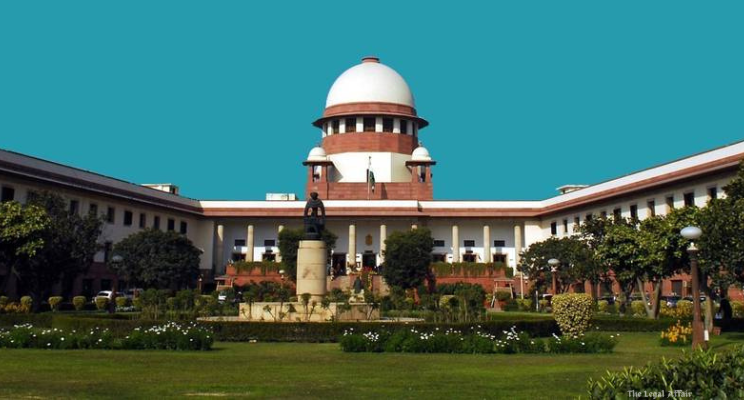
Introduction:
In a significant ruling, the Supreme Court of India upheld the dismissal of a defamation suit filed against Senior Advocate Vikas Pahwa over remarks made during judicial proceedings in the Patiala House Courts, Delhi. The case, involving businessman Pankaj Oswal, centered on Pahwa’s statement regarding Oswal’s behavior during mediation sessions with his mother. The Supreme Court’s decision reaffirms the doctrine of absolute privilege, which protects statements made by lawyers during judicial proceedings from defamation claims. This ruling underscores the importance of unhindered legal representation in the judicial process.
Pankaj Oswal, aggrieved by Pahwa’s comments, argued that the statement was defamatory and infringed upon his right to reputation, a fundamental right under Article 21 of the Constitution. The case critically examines the balance between protecting an individual’s reputation and ensuring that the judicial process operates without fear of litigation against legal representatives.
Arguments by Pankaj Oswal:
Oswal’s counsel raised several key points challenging the dismissal of the defamation suit:
- No Absolute Privilege: The central argument was that lawyers should not enjoy absolute privilege if their statements infringe on an individual’s fundamental right to reputation. Oswal’s counsel contended that the legal profession’s privilege must be limited when it concerns personal rights, particularly those involving reputation.
- Conditional Immunity: They argued that while lawyers are afforded certain protections during court proceedings, these privileges are conditional, not absolute. Advocates could be held liable for defamation under Section 499 of the Indian Penal Code (IPC) or for contempt of court if their statements exceed reasonable bounds.
- Premature Dismissal: Oswal’s counsel criticized the Delhi High Court’s summary dismissal of the suit without a thorough examination of its merits. They contended that the court failed to consider the context and implications of Pahwa’s statements, denying Oswal a fair opportunity to present his case.
- Impact on Reputation: The lawyers emphasized that Pahwa’s statement severely impacted Oswal’s personal and professional reputation, arguing that the right to reputation is an intrinsic part of the fundamental right to life and liberty enshrined in Article 21 of the Constitution.
Arguments by Vikas Pahwa:
In defense, Pahwa’s counsel presented strong arguments supporting the need for absolute privilege in judicial proceedings:
- Absolute Privilege in Judicial Proceedings: Pahwa’s counsel argued that the statement made during court proceedings was protected under the doctrine of absolute privilege. This protection is essential for maintaining the integrity and independence of the judicial process, allowing advocates to represent their clients without fear of subsequent defamation claims.
- Public Policy Considerations: The defense emphasized that allowing defamation claims against statements made during judicial proceedings would have a chilling effect on legal representation and hinder the administration of justice. Absolute privilege ensures that lawyers, judges, and witnesses can speak freely without the threat of litigation.
- Protection for All Participants: It was noted that the doctrine of absolute privilege extends beyond lawyers to include all participants in the legal process, fostering a fair and transparent judicial environment.
- Statements Based on Instructions: Pahwa’s counsel highlighted that the statement in question was made based on explicit instructions from the counsel-on-record, negating claims of malice or wrongful intent. The defense argued that the legal framework allows advocates to communicate their clients’ positions, especially when responding to court inquiries.
- Frivolous and Vexatious Claim: The counsel characterized the defamation suit as frivolous and intended to disrupt Pahwa’s legal representation of Oswal’s mother. They argued that the suit was a strategic move to undermine Pahwa’s credibility and effectiveness as a lawyer.
- Lack of Documentary Evidence: The defense also pointed out that the alleged defamatory statement was not officially recorded in the Sessions Court’s order sheet, casting doubt on the validity of Oswal’s claims.
Court’s Judgment:
After considering arguments from both sides, the Supreme Court upheld the dismissal of Pankaj Oswal’s defamation suit. The bench, comprising Justices Dipankar Datta and Sandeep Mehta, reaffirmed the principle of absolute privilege for statements made by lawyers during judicial proceedings.
The court agreed with the Delhi High Court’s findings that Pahwa’s statement was protected under the doctrine of absolute privilege. It emphasized that legal professionals must be able to represent their clients and respond to judicial inquiries without fear of defamation claims, as this is crucial to the functioning of the justice system. The court stated, “The utterance, even if assumed to be true, in our opinion, would be protected by the doctrine of absolute privilege.”
The court further stressed that open and candid communication is necessary in judicial proceedings, where legal representatives must express their clients’ positions without the risk of personal liability for defamation. The justices reiterated that any limitation on this privilege could hinder the administration of justice and deter individuals from seeking legal recourse.
Conclusion:
The Supreme Court’s ruling reinforces the importance of protecting lawyers from defamation claims for statements made during judicial proceedings. This judgment upholds the integrity of the judicial system by allowing advocates to represent their clients without fear of personal liability. By emphasizing the principles of open communication and unencumbered exchange of information in the courtroom, the court has sent a clear message about protecting legal professionals’ rights while recognizing individuals’ fundamental rights. The outcome of this case serves as a significant precedent in the discourse surrounding defamation, legal representation, and the balance between individual rights and judicial integrity in the Indian legal framework.