


Introduction:
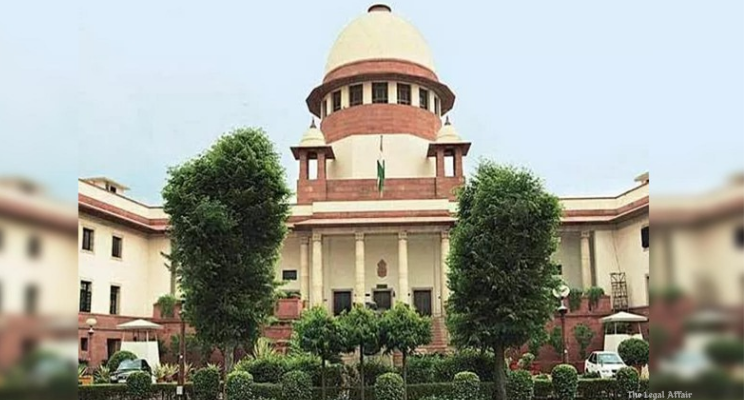
The Supreme Court has issued notice on a writ petition challenging the applicability of Shariat law to individuals who were born Muslim but ceased to be believers. The petitioner, Safiya PM, argued that as a non-believer, she should be governed by the Indian Succession Act 1925 instead of the Muslim Personal Law. This case raises significant questions regarding religious identity and personal law.
Arguments of Both Sides:
Safiya PM, represented by Advocate Prashant Padmanabhan, contends that as a non-believer, she should not be subject to Shariat law, which limits inheritance rights. She highlights the disparity in inheritance shares between male and female heirs under Muslim Personal Law. However, the bench, led by CJI DY Chandrachud, expressed skepticism about granting such a declaration under Article 32 without challenging specific statutory provisions.
Padmanabhan argues that Article 25 of the Constitution guarantees the right to be a non-believer and asserts the Court’s authority to issue such a declaration. He points out the ambiguity surrounding Section 58 of the Indian Succession Act and its interaction with Shariat law. The bench acknowledges the complexity of the petitioner’s situation, especially regarding inheritance rights and familial obligations.
Court’s Judgement:
The Supreme Court, while initially hesitant, agrees to consider the petition, emphasizing the need to address the ambiguity surrounding the applicability of personal laws to non-believers. The bench grants liberty to amend the petition to include grounds challenging Section 58 of the Indian Succession Act. This case underscores the Court’s role in interpreting and reconciling religious laws with constitutional principles of equality and freedom of belief.