


Introduction:
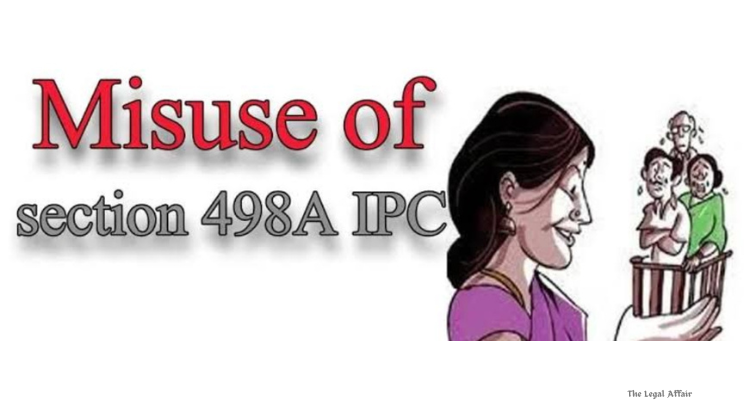
The Supreme Court recently addressed a critical legal issue in Digambar and Another v. State of Maharashtra and Another (2024 LiveLaw (SC) 1025), quashing a domestic cruelty case under Section 498A of the Indian Penal Code (IPC) filed against the husband’s parents. This case, originating from allegations made by the complainant (daughter-in-law), brought to light significant concerns regarding the misuse of Section 498A. The bench comprising Justice B.R. Gavai and Justice K.V. Viswanathan overturned the decision of the Bombay High Court’s Aurangabad Bench, which had refused to quash the case. The Court found that the allegations lacked substantive evidence and were initiated as a tool to pressurize the complainant’s husband into consenting to divorce on her terms.
Arguments of Both Sides:
The complainant alleged that her husband’s parents caused her miscarriage by compelling her to consume adulterated food and subjected her to physical and mental cruelty for not bearing a male child. The FIR also invoked Sections 312 and 313 IPC, accusing the appellants of causing miscarriage. The complainant argued that the in-laws’ conduct violated her dignity, safety, and health, warranting criminal action.
Conversely, the appellants contended that the allegations were baseless, vague, and driven by ulterior motives. They pointed out that the FIR was filed two years after the alleged incident, casting serious doubt on the complainant’s intent. They further argued that no medical evidence supported the claims of miscarriage or cruelty, and the delay in filing the FIR indicated retaliation stemming from the ongoing marital discord. The defense asserted that the complaint aimed to coerce their son into agreeing to divorce terms favorable to the complainant.
Court’s Judgment:
After a detailed analysis, the Supreme Court quashed the FIR and the related proceedings, emphasizing that vague allegations unsupported by evidence cannot constitute an offence under Section 498A IPC. Justice B.R. Gavai, authoring the judgment, clarified that mere allegations of cruelty are insufficient unless they demonstrate intent to cause grave injury, drive the victim to suicide, or inflict severe harm. The Court observed that the allegations against the appellants lacked specific instances of cruelty or misconduct and were general in nature.
The judgment noted that the complainant’s delay of nearly two years in reporting the alleged acts of cruelty and miscarriage was unexplained, further undermining the credibility of her claims. The Court also highlighted that the allegations regarding miscarriage and cruelty were omitted from the divorce proceedings initiated by the complainant, raising doubts about the authenticity of her accusations.
Referring to precedents such as Dara Lakshmi Narayana v. State of Telangana and Jayedeepsinh Pravinsinh Chavda v. State of Gujarat, the Court reiterated concerns about the misuse of Section 498A IPC. It pointed out the growing tendency to weaponize anti-dowry laws in personal disputes, often implicating in-laws and distant relatives without concrete evidence.
In conclusion, the Supreme Court ruled that the proceedings against the appellants amounted to an abuse of the legal process, as the FIR was filed with ulterior motives to pressure the complainant’s husband during divorce negotiations. Accordingly, the Court set aside the Bombay High Court’s decision and quashed the pending case.