


Introduction:
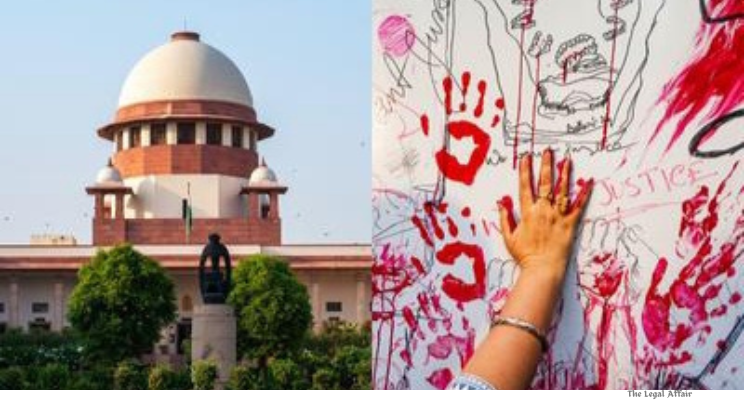
On September 9, 2024, the Supreme Court of India, led by Chief Justice DY Chandrachud and Justices JB Pardiwala and Manoj Misra, issued significant directives in response to the ongoing doctors’ strike in West Bengal. The strike was ignited by the brutal rape and murder of a trainee doctor at RG Kar Medical College and Hospital on August 9, which sparked widespread protests among the medical community, particularly resident doctors, across the state. These doctors were demanding better security measures and justice for their deceased colleague.
Recognizing the impact of the protests on healthcare delivery, the Supreme Court took a stern stance, directing the doctors to return to their duties immediately. Simultaneously, the court called upon the State of West Bengal to ensure a safe working environment for doctors, addressing their legitimate concerns about security. The court’s balanced approach aimed to resolve the crisis swiftly while ensuring that the protests did not compromise public health services.
State of West Bengal’s Submissions by Senior Advocate Kapil Sibal:
Representing the State of West Bengal, Senior Advocate Kapil Sibal emphasized the severe disruption caused by the ongoing protests. He presented alarming figures, stating that 23 patients had lost their lives and over six lakh individuals had been denied treatment due to the absence of doctors. Sibal highlighted that outpatient departments (OPDs) in government hospitals were left unattended, effectively paralyzing the state’s healthcare system.
He argued that the protests had escalated beyond permissible limits, leaving patients in a vulnerable state. Sibal pointed out that the court had already directed the protesting doctors to resume work, yet they continued to defy the court’s order. He stressed the urgent need to end the protests as the healthcare infrastructure was under tremendous strain.
Sibal also assured the court that the state had taken measures to address the safety concerns raised by the doctors. He referred to an affidavit filed by the Health Secretary, detailing the government’s plans to install CCTV cameras and implement other security measures at RG Kar Medical College and other government hospitals. He informed the court that funds had been sanctioned for these safety measures, with district authorities tasked with ensuring their timely implementation.
Sibal provided a categorical undertaking that no punitive action, including transfers, would be taken against the protesting doctors if they resumed their duties by the deadline set by the court. However, he made it clear that if they failed to return to work, the state would have no option but to initiate disciplinary action.
Submissions by Senior Advocate Geeta Luthra on Behalf of the Resident Doctors:
Senior Advocate Geeta Luthra, representing an association of resident doctors, presented a contrasting view. She argued that the protests were driven by genuine concerns over safety, particularly in light of the horrific incident at RG Kar Medical College. The doctors, especially junior residents, felt vulnerable and had been facing threats and bullying. Luthra stated that the doctors were not abandoning their duties but were providing voluntary services outside the hospitals as a form of protest.
Luthra urged the court to recognize the psychological toll that the murder had taken on the medical community, particularly the younger doctors. She argued that the strike was not a refusal to work but a call for systemic reform to ensure the safety and security of medical professionals. She emphasized that unless the doctors felt confident that their working conditions would improve, it would be difficult for them to return to their duties without fear.
Luthra’s arguments sought to highlight that the doctors were not shirking their responsibilities but were acting out of desperation, calling for concrete steps by the state to address their legitimate concerns.
The Court’s Observations and Judgment:
The Supreme Court, after hearing both sides, made it clear that the doctors had an obligation to resume their duties without further delay. Chief Justice DY Chandrachud, in his oral observations, emphasized that while the doctors’ concerns were valid, the protest could not come at the cost of public duty. He remarked that essential services like healthcare could not be held hostage to protests, regardless of the circumstances.
The court acknowledged the state’s responsibility to create safe working conditions for doctors and directed the State of West Bengal to take immediate steps to address the safety concerns raised by the medical community. This included the installation of CCTV cameras, provision of separate duty rooms, and improved toilet facilities at hospitals, as promised in the affidavit submitted by the Health Secretary.
To ensure accountability, the court ordered the District Collectors and the Superintendents of Police to monitor the implementation of these security measures. The bench noted the state’s commitment to enhancing hospital security and directed that these measures be expedited to restore confidence among the doctors.
Simultaneously, the court was firm in its directive that doctors must return to work by 5 PM on September 10, 2024. It warned that if they failed to comply, the state would be free to take disciplinary action. The court stressed that healthcare professionals, as part of a public service system, were obligated to prioritize their duties, especially during times of crisis.
CJI Chandrachud further remarked that the doctors could not justify their absence by pointing to the involvement of senior doctors in covering their duties. He made it clear that all medical professionals had to contribute to ensuring that public health services were not disrupted.
The bench also instructed the Central Bureau of Investigation (CBI) to continue its investigation into the murder of the trainee doctor and to file an updated status report before the next hearing, scheduled for September 17, 2024.