


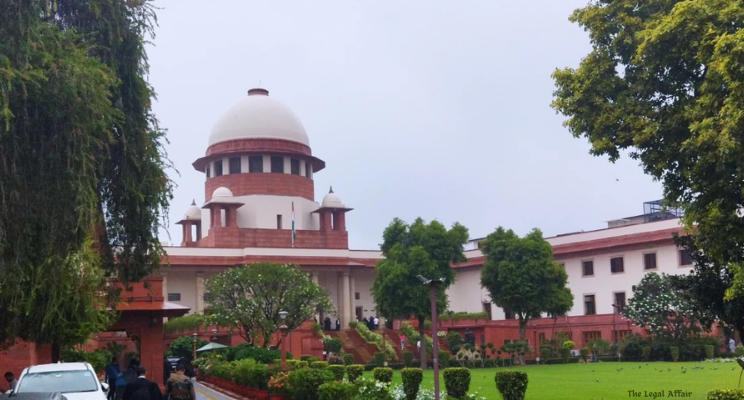
Introduction:
The Supreme Court, on January 17, 2025, delivered a pivotal judgment in Superwhizz Professionals Pvt. Ltd. v. Union of India & Ors. (SLP (C) No. 11029/2024). The case revolved around the Ministry of Finance directing the Debt Recovery Tribunal (DRT) at Visakhapatnam to collect extensive data on recoveries exceeding ₹100 crores, disrupting its judicial functioning. A bench comprising Justice Abhay S Oka and Justice Ujjal Bhuyan emphasized that if the Union of India (UOI) requires DRTs to furnish data, it must provide additional personnel to avoid affecting their day-to-day operations. This order came after earlier criticisms of the Ministry’s high-handed approach in treating DRT staff as subordinates and demanding data collection without ensuring adequate staffing.
Arguments of Both Sides:
The petitioner, Superwhizz Professionals Pvt. Ltd., argued that the Ministry’s directives to collect voluminous data had overburdened DRT Visakhapatnam, compelling judicial staff to prioritize administrative tasks over judicial work. They highlighted how this disrupted the tribunal’s efficiency and delayed justice delivery. The petitioner contended that DRTs were judicial bodies, not subordinate offices of the Ministry, and urged the Court to intervene to protect their autonomy.
On the other hand, the Ministry of Finance justified its actions, stating that the data collection exercise was necessary to assess the efficiency of DRTs and improve the system. The Ministry assured the Court that the data requisition was a one-time task and claimed that most DRTs had adequate staff to handle such requests. However, the Ministry admitted during earlier hearings that the staff strength at several DRTs was below the sanctioned levels.
Court’s Judgment:
The Court meticulously examined the affidavit submitted by the Director of the Ministry of Finance, Department of Financial Services, on January 2, 2025. The affidavit revealed that most sanctioned posts across 39 DRTs had been filled, with only four vacancies remaining. Acknowledging this progress, the Court noted that no further directions on staff appointments were necessary. However, it clarified that if the UOI requires DRTs to undertake additional administrative tasks, it must provide additional hands to ensure the uninterrupted functioning of the tribunals. The bench remarked, “If the Union of India wants Debt Recovery Tribunals to furnish data as sought in this case, additional hands must be provided so that day-to-day functioning does not suffer.”
The Court also criticized the Ministry’s earlier approach of treating DRT staff as subordinates. It highlighted the September 2024 incident where the Ministry demanded extensive data within three days via email, forcing DRT Visakhapatnam staff to prioritize data collection over judicial work. The Court deemed this approach unacceptable and underscored the importance of maintaining the independence and efficiency of DRTs.
In its final order, the bench disposed of the petition, emphasizing that the Ministry must provide adequate resources whenever it seeks extensive data from DRTs. This ensures that judicial duties remain unaffected while enabling the Ministry to fulfill its administrative requirements.