


Introduction:
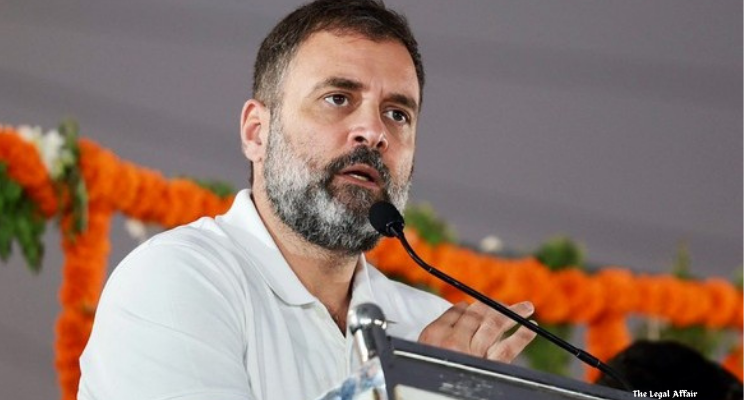
On January 17, 2025, the Karnataka High Court, in an interim order, stayed proceedings in a criminal defamation case filed by the State BJP against Congress leader Rahul Gandhi. The case, rooted in allegations against the “Corruption Rate Card” advertisements issued by the Karnataka Pradesh Congress Committee (KPCC) and the use of “trouble engine Sarkar” to replace the term “double engine Sarkar,” raised questions of freedom of expression and political accountability. Senior advocate Shashi Kiran Shetty represented Gandhi before Justice M Nagaprasanna, securing an emergent notice to the respondent returnable by February 20, 2025.
Arguments of Both Sides:
Rahul Gandhi’s legal team argued that the defamation case lacked merit and was politically motivated. Senior advocate Shetty emphasized that the advertisements and remarks were part of political speech and fair criticism, which are protected under the constitutional right to free speech. The defence contended that the complaint was a misuse of legal provisions to stifle dissent and tarnish Gandhi’s reputation for electoral gains. They further submitted that the advertisements highlighted perceived governance issues and did not personally target individual members of the BJP.
On the other hand, the State BJP, as the complainant, asserted that the “Corruption Rate Card” advertisements were baseless and defamatory. The BJP argued that the allegations of commissions and rates for government appointments were fabricated and intended to mislead the public. The party also pointed out that the use of the term “trouble engine Sarkar” was a deliberate distortion of the widely accepted “double engine Sarkar” narrative, intending to harm the BJP’s reputation and electoral prospects. The complainant labelled the advertisements and statements as a calculated attempt to malign the integrity of the BJP and undermine public trust.
Court’s Judgment:
The Karnataka High Court, after hearing the initial arguments, issued an interim order staying further trial court proceedings in the case. Justice M Nagaprasanna observed that the plea required careful consideration, particularly in the context of the freedom of political speech. Issuing an emergent notice to the respondent, the Court directed them to file their response by February 20, 2025. In its order, the Court noted the need to balance the rights of political parties to free expression and the protection of reputation in a democratic society.
The Court acknowledged that the case stemmed from the Congress party’s advertisements and Gandhi’s public statements, which were critical of BJP’s governance. It emphasized that while defamation laws must protect individuals and entities from malicious attacks, they should not be used as a tool to suppress legitimate criticism and dissent. The High Court’s stay order provided temporary relief to Gandhi and underscored the judiciary’s role in safeguarding democratic values and freedom of expression.
The case is now scheduled for further hearing on February 20, 2025, when the BJP will present its response. This interim order highlights the ongoing legal and political tussle between the Congress and BJP in Karnataka, reflecting the contentious nature of political discourse in the country.