


Introduction:
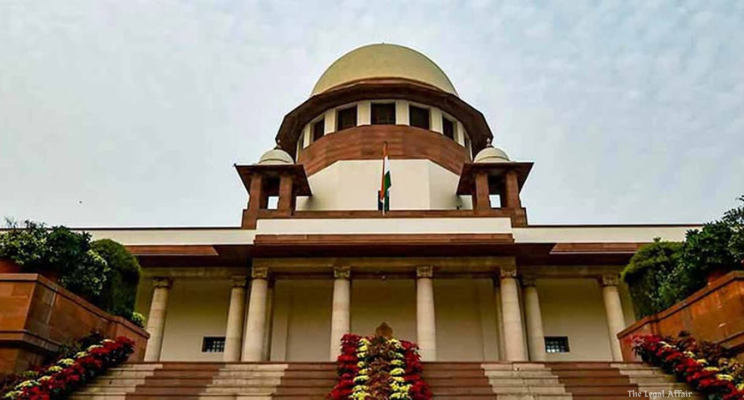
In Sandeep vs The State of Maharashtra, Special Leave Petition (Crl) No. 8753/2025, heard on June 11, 2025, the Supreme Court of India—comprising Justice Prashant Kumar Mishra and Justice Manmohan—declined to quash criminal proceedings under the Protection of Children from Sexual Offences (POCSO) Act. The petition challenged the Bombay High Court’s April 15 order refusing to dismiss charges against a suspended judicial officer accused of repeatedly sexually abusing his daughter. The father, also implicated in a matrimonial dispute and recently bereft of his own father’s suicide, sought relief on the grounds of personal hardship. The bench, however, branded the allegations as “shocking” and unequivocally asserted that such grave charges, especially involving incest, cannot be quashed at any preliminary stage.
Arguments of the Accused (Petitioner):
- Personal Hardship: The counsel for the accused argued that proceedings under the POCSO Act would further devastate an already devastated life. The petitioner’s father had committed suicide—a tragedy the defense attributed, implicitly, to systemic failures—and the petitioner was embroiled in matrimonial discord, contending that his personal circumstances merited compassionate judicial discretion to dismiss or stay the case.
- Presumption of Innocence: On behalf of the accused, it was contended that as a suspended judicial officer, the petitioner deserves the benefit of doubt and a fair hearing. The petition sought to emphasize procedural safeguards built into the criminal justice system—particularly the constitutional presumption of innocence—insisting that the trial court should entertain sufficient scrutiny before burdening his reputation and mental well‑being.
- Question of Prima Facie Foundation: The petition indirectly challenged whether the prosecution had laid the requisite foundation for the trial. The point raised was procedural: without allegations buttressed by credible, admissible material, the case should not have been allowed to proceed to full inquiry, let alone trial.
Prosecution’s Stand:
Seriousness and Sensitivity of Offence: The Attorney General and the state pointed to the gravity of the accusation—alleged incestuous sexual exploitation of a minor by her own father—which is among the most egregious forms of child sexual abuse. The POCSO Act, by design, mandates strict action and affords substantial protection to minors. The prosecution submitted that such allegations are per se disqualifying for summary quashing.
High Threshold for Quashing in POCSO Cases: It was stressed that precedents uniformly caution courts against premature quashing of POCSO charges, given the underlying legislative intent to safeguard children and the social stigma surrounding these offences. Once allegations pass the prima facie threshold, the accused must answer them through evidence—not evade the trial altogether.
Impact on the Victim: Though necessarily general, the prosecution emphasized how the proceeding itself addresses the child‑victim’s rights and dignity. The criminal process—including investigation and trial—serves as a measure of accountability, and curtailing it without adjudication would undermine victim protection and public justice.
Bench’s Response:
From the bench, Justice Manmohan asked pointedly whether the father’s suicide wasn’t a result of the petitioner’s alleged actions, thereby indicating that personal narrative would not outweigh the severity of the charges . He strongly rejected any comparison between the petitioner’s personal misfortune and the seriousness of the allegations, remarking:
“This (father’s suicide) would have been due to son’s action rather than anyone else’s action.”
Justice Manmohan further remarked:
“This is a shocking case … serious allegations of incest! Madam, this is not the case to be entertained for quashing by any standard. … You daughter is making the allegations, no? She must have been scarred to life.”
Justice Mishra echoed the sentiment, asserting in clear terms that:
“This is certainly not a case for quashing.”
These stern observations made it crystal clear that notwithstanding any professional or personal characteristics of the petitioner, the allegations demand substantive judicial scrutiny—through trial—and are in no way suitable for an interlocutory remedy.
Supreme Court’s Judgment:
- No Interference with High Court Order
The Supreme Court found no legal basis to disturb the Bombay High Court’s rejection of the quashing plea, noting that it correctly applied established legal precedents. High courts have consistently held that serious POCSO allegations—especially involving incest—call for full trial rather than premature dismissal.
- Prima Facie Case Established
The Court held that for the purposes of a petition to quash, the existence of prima facie material is sufficient. The victim’s allegations, if uncontradicted and credible at this stage, cannot be ignored. The bench found no procedural or substantive infirmity in the Bombay High Court’s analysis that would justify overturning its decision.
- Severity of Offence Precludes Quashing
Both Justices emphasized the legislative purpose of the POCSO Act: to combat and deter child sexual abuse through robust criminal justice response. Incestuous sexual acts involving minors fall squarely within the Act’s gravamen and cannot be sidelined under the guise of protecting the accused from hardship.
- Rejecting Emotional Appeal
The Court categorically rejected the defense’s emotional appeal by pointing to the accused’s personal turmoil. It underscored that mental anguish stemming from criminal investigation is a natural consequence of serious allegations—it does not diminish the need for adjudication.
Expedited Trial Ordered Recognizing the gravity and urgency of the matter, the bench directed that the trial be expedited. A fast-track timeline was mandated so that justice could be rendered promptly, accorded to both society’s interest in protecting minors and the accused’s right to a fair and speedy trial.
Legal Principles Applied:
- High Judicial Threshold: Quashing petitions require compelling legal grounds—either prima facie absence of offence, abuse of process, or clear legal flaw in charge framing. The bench found none in this case.
- POCSO Act’s Intent: Given the statute’s victim-centric approach, courts adopt a stringent threshold while entertaining quashing pleas in sexual offences involving children.
- Balance of Rights: The judiciary reaffirmed that the accused’s rights are duly safeguarded through trial procedures. However, these rights neither outrank nor displace the overarching public interest in prosecuting severe sexual crimes against minors.
- Deterrence Objective: Upholding the trial and refusing quashing serves the crucial deterrent purpose of the legislation and preserves public confidence in the justice system’s ability to address sensitive offences.
Significance & Implications:
- This decision cements the precedent that incest and sexual offences against children are non-negotiable in terms of trial procedure. Quashing cannot become an escape hatch for accused—even professionals like judicial officers.
- It conveys a stern message that the judiciary will not entertain personal hardships or reputations when weighed against the fundamental aim of securing justice for child‑victims.
- Ensuring an expedited trial minimizes trauma for the victim and enhances accountability, signaling judiciary’s proactive stance in delivering timely justice.
- The verdict tightens the interpretive guardrails around POCSO proceedings, reinforcing a victim‑centric jurisprudential orientation.