


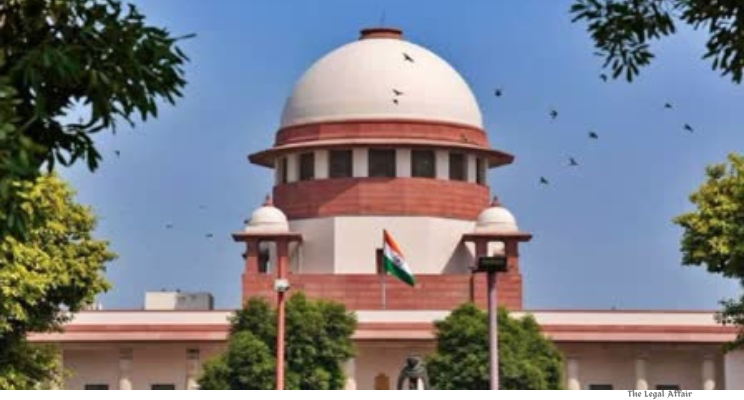
Introduction:
In a landmark ruling, the Supreme Court of India addressed the growing issue of bureaucratic harassment faced by women in governance, specifically targeting female sarpanches in rural and remote areas. The Court was hearing a plea by a young 27-year-old female Sarpanch from Chhattisgarh, removed arbitrarily under the Chhattisgarh Panchayat Raj Adhiniyam, 1993. She was accused of delays in construction works, but the apex court found no fault on her part, terming the proceedings against her as “arbitrary and high-handed.” This case highlights the recurring challenges faced by female elected representatives and the entrenched systemic bias that undermines their leadership.
Petitioner’s Arguments:
The petitioner, a Sarpanch of Sajbahar Gram Panchayat elected in 2020 with a significant majority, was removed in 2023 following accusations of delays in construction projects. Represented by her counsel, she argued that the delays were not attributable to her but were due to external factors such as a lack of coordination among engineers and contractors, material supply issues, and weather conditions. The petitioner contended that holding her solely responsible was unjust, especially when there was no evidence of dereliction of duty specific to her role. She highlighted that the removal was arbitrary, discriminatory, and a targeted act of harassment against her as a woman in governance.
Respondent’s Arguments:
The State defended the removal, claiming that the Sarpanch failed in her responsibilities, which justified the decision under the Panchayat Raj Adhiniyam. They argued that the petitioner had alternative remedies available and that the High Court had rightly denied her relief based on procedural grounds.
Supreme Court Observations and Judgment:
- Unjust Treatment of Female Representatives:
The Supreme Court expressed deep concern over the recurring pattern of harassment against female sarpanches. Justice Surya Kant and Justice Ujjal Bhuyan observed that administrative authorities often collude with local panchayat members to exact vendettas, leading to unjust removals. These instances, the Court said, highlight systemic prejudice and discrimination, reflecting regressive attitudes that discourage women’s participation in governance.
The Court criticized the mindset of administrative authorities, terming it a “colonial hangover,” where elected representatives are treated as subordinates to bureaucrats. The bench underscored the distinction between elected public representatives, who derive their authority from the democratic process, and appointed public servants.
- Democratic Values at Stake:
The Court noted that such discriminatory actions undermine democratic values at the grassroots level. Referring to the removal process, the Court observed that principles of natural justice and due process were blatantly disregarded, reducing the democratic legitimacy of elected representatives.
- Economic and Social Impact:
In its judgment, the Court lamented how such incidents undermine India’s aspirations of becoming an economic powerhouse. Discriminatory practices against women in governance, the Court said, normalize regressive attitudes and discourage female participation in decision-making roles. The Court urged administrative authorities to foster an inclusive environment that supports and empowers women leaders, particularly in rural areas.
- Criticism of the High Court’s Approach:
The Supreme Court was critical of the High Court’s decision to deny relief, citing alternative remedies. It held that the High Court failed to appreciate the blatant misuse of executive power to target the petitioner. The Court emphasized that discretionary powers under Article 226 must be exercised in cases where democratic principles and governance at the grassroots level are being eroded.
- Accountability and Costs:
To address the harassment faced by the petitioner, the Supreme Court directed the Chief Secretary of Chhattisgarh to pay Rs. 1 lakh as compensation to the appellant. Further, the State was ordered to initiate an inquiry to identify officials responsible for the arbitrary proceedings and harassment. The Court noted that the compensation amount could be recovered from the culpable officers after following principles of natural justice.
- Guiding Principles for Reform:
The Court reiterated the need for structural reforms to eliminate biases against women in governance. Drawing parallels with similar cases, including one involving a female Sarpanch from Maharashtra, the bench underscored the urgent need to introspect and reform governance systems that perpetuate prejudice.
In a broader context, the Court called for the implementation of measures to promote women’s empowerment, including creating conducive environments for female leaders, raising awareness about their rights, and ensuring institutional accountability.