


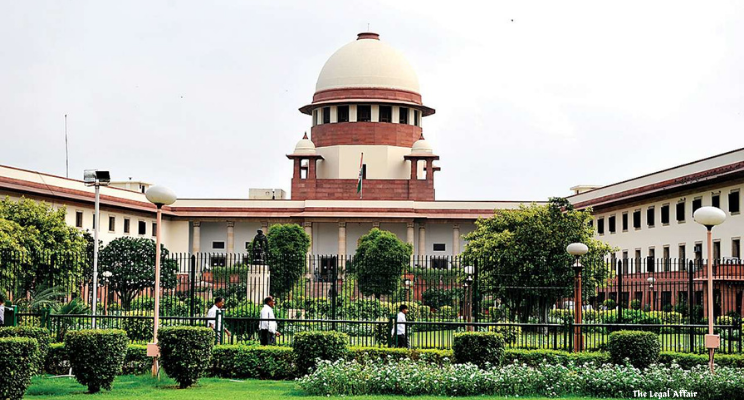
Introduction:
In a recent judgment, the Supreme Court of India addressed the evidentiary value of disclosure statements under Section 27 of the Indian Evidence Act, 1872, emphasizing that such statements, when unaccompanied by corroborative evidence, are insufficient to establish the guilt of an accused beyond a reasonable doubt. The bench, comprising Justice Abhay S. Oka and Justice Ujjal Bhuyan, acquitted an individual previously convicted under Section 302 of the Indian Penal Code for murder, highlighting the necessity of supporting evidence alongside disclosure statements.
Case Background:
The appellant was accused of fatally stabbing Ramakrishnan on December 31, 2010, at approximately 11:45 am. The prosecution alleged that the motive stemmed from prior enmity, as the deceased had purportedly been involved in the murder of the appellant’s elder brother. The trial court convicted the appellant based on a disclosure statement that led to the recovery of the alleged murder weapon. This conviction was subsequently upheld by the High Court of Kerala.
Appellant’s Contentions:
The appellant, represented by advocates Pranjal Kishore, Atul Shankar Vinod, Madiya Mushtaq Nadroo, and M. P. Vinod, challenged the conviction on several grounds:
- Discrepancies in Witness Testimonies: The defense highlighted significant omissions and inconsistencies in the statements of prosecution witnesses, such as the failure to specify the number of stab wounds and the exact distance from which they observed the incident.
- Non-examination of Key Witnesses: The appellant argued that the prosecution did not present other alleged eyewitnesses, which could have provided a more comprehensive account of the event.
- Delayed Reporting: The defense pointed out that the witnesses did not immediately report the incident to the police, nor did they attempt to transport the deceased to the hospital, casting doubt on their credibility.
Prosecution’s Stand:
The State, represented by advocate Harshad V. Hameed, contended:
- Credibility of Witnesses: The prosecution argued that minor omissions in the witnesses’ statements did not undermine their overall credibility. Both witnesses consistently identified the appellant as the assailant.
- Corroborative Recovery: The recovery of the weapon based on the appellant’s disclosure statement was presented as corroborative evidence supporting the prosecution’s case.
Supreme Court’s Analysis and Judgment:
Justice Oka, authoring the judgment, scrutinized the evidence presented:
- Witness Credibility: The Court observed that the testimonies of the prosecution witnesses were fraught with material omissions and discrepancies, particularly concerning the number of stab wounds and their proximity to the crime scene. These inconsistencies diminished the reliability of their accounts.
- Delayed Action by Witnesses: The fact that the witnesses neither reported the crime promptly nor attempted to assist the deceased raised questions about their conduct and the veracity of their statements.
- Evidentiary Value of Disclosure Statements: Central to the Court’s decision was the role of the disclosure statement under Section 27 of the Indian Evidence Act. The Court emphasized that while such statements can lead to the discovery of material facts, they are considered weak evidence if not corroborated by additional supporting evidence. Citing the precedent set in Manoj Kumar Soni v. State of M.P. (2023), the Court reiterated that a disclosure statement alone cannot form the basis for a conviction, as it does not establish guilt beyond a reasonable doubt.
In conclusion, the Supreme Court allowed the appeal, overturning the previous convictions, and acquitted the appellant of all charges due to the lack of compelling evidence beyond the disclosure statement.