


Introduction:
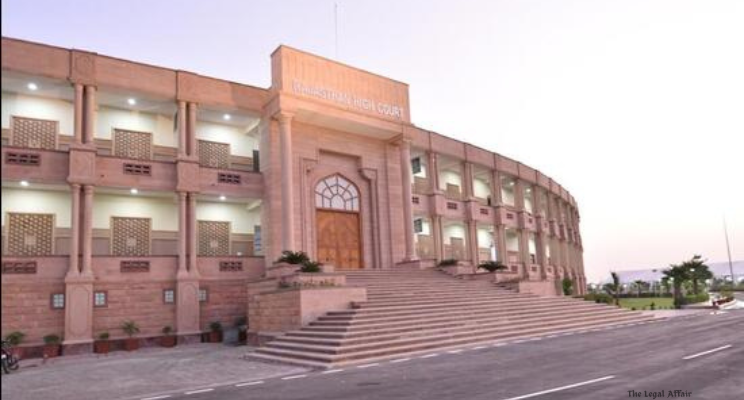
In the case of Naresh Singh v. State of Rajasthan & Ors., the Rajasthan High Court addressed a crucial issue concerning prolonged suspensions of government employees. Justice Arun Monga ruled that suspensions should not become indefinite punitive measures and directed that disciplinary proceedings must commence within 30 days of an employee’s suspension. If an extension is needed, it can be granted only once for another 30 days, with written reasons provided. The Court emphasized that keeping an employee under suspension indefinitely amounts to a penalty, violating principles of natural justice. The ruling came in response to multiple petitions filed by government employees who had been suspended for periods ranging from 1.5 to 6 years, with no subsequent action taken by the State. The Court not only struck down these suspension orders but also framed strict guidelines for the future, ensuring timely disciplinary proceedings and protecting the rights of government employees.
Arguments of Both Sides:
The petitioners, a group of suspended government employees, contended that their indefinite suspensions were arbitrary and unjust. They argued that suspension should be a temporary preventive measure, not a prolonged punishment. The petitioners highlighted the severe consequences of long-term suspensions, including financial hardship, social stigma, and mental distress. Their legal counsel asserted that the Rajasthan Civil Services (Classification, Control, and Appeal) Rules, 1958, particularly Rule 13, did not permit indefinite suspension. They urged the Court to direct the government to set clear timelines for disciplinary proceedings and limit the misuse of suspension powers.
On the other hand, the State government defended the suspensions, arguing that they were necessary due to pending disciplinary inquiries. The government claimed that in many cases, investigations were complex and required extensive time. However, the Court found that the government failed to justify the excessive delays, noting that no concrete action had been taken for several years in many cases. The prolonged inaction, the Court observed, reflected administrative negligence rather than genuine procedural delays.
Court’s Judgment:
The Rajasthan High Court ruled in favour of the petitioners, holding that indefinite suspensions violate the principles of natural justice. The Court emphasized that suspension is meant to be a precautionary measure, not a punishment. Keeping an employee on suspension for an indefinite period not only affects their financial stability but also damages their professional reputation. The Court noted that prolonged suspensions waste public resources, as the government continues to pay a subsistence allowance to suspended employees without utilizing their services.
To address these issues, the Court issued strict guidelines:
- Timely Initiation of Disciplinary Proceedings: Authorities must issue a charge sheet or show-cause notice within 30 days of the suspension order. If necessary, an extension of another 30 days may be granted with written justification.
- Accountability for Delays: Any failure to adhere to these timelines will grant the suspended employee an indefeasible right to seek revocation of the suspension.
- Proper Use of Suspension Powers: The Court clarified that suspension should only be used to prevent evidence tampering or witness influence, not as a tool for harassment.
- Monitoring & Compliance: The government must establish a review mechanism to ensure compliance with these guidelines and take action against officials who fail to follow the prescribed timelines.
- Exclusion of Criminal Cases: These guidelines apply only to suspensions linked to departmental proceedings and do not cover cases where an employee is suspended due to criminal investigations or arrests.
The Court directed the Rajasthan government to sensitize all competent authorities regarding these guidelines and ensure their strict implementation. It also ordered the immediate reinstatement of the petitioners, allowing the State to continue with their disciplinary proceedings if necessary.
This landmark ruling reinforces the principle that suspension should never become a punishment by default. By mandating clear timelines, the Court has ensured that government employees are not left in a state of perpetual uncertainty. This decision serves as a strong precedent for other High Courts and government agencies to follow, promoting fairness, transparency, and efficiency in public administration.