


Introduction:
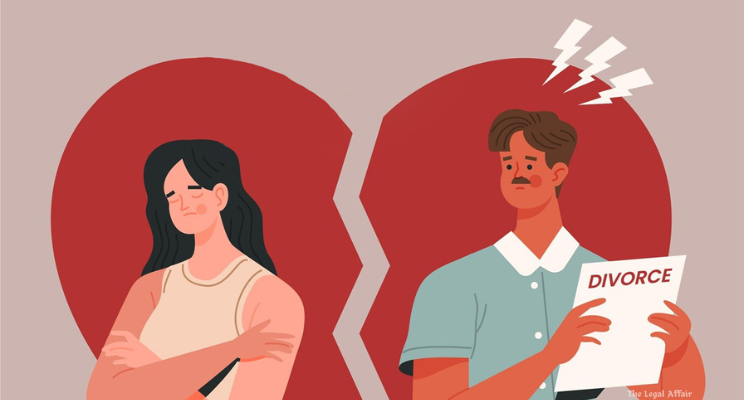
In the case of SXXXXX v. RXXXXX, the Punjab & Haryana High Court dissolved the marriage of a couple who had been living separately for nearly 17 years, emphasizing that forcing them to live together would amount to mental cruelty. The couple married in 2007, and by 2008, they began living separately. The husband filed for divorce in 2014, citing the irretrievable breakdown of their marriage due to the long period of separation. The Family Court had initially dismissed the husband’s divorce petition, prompting him to challenge the decision before the High Court. The key issue before the Court was whether the continued separation of 17 years could be considered grounds for divorce and whether compelling the parties to cohabit after such a long period would constitute cruelty. Justice Sudhir Singh and Justice Sukhvinder Kaur, after examining the case, concluded that the marriage had irreparably broken down and that forcing the parties to continue their legal bond would not only be futile but would also cause them further emotional harm.
Arguments of Both Sides:
Appellant’s Arguments (Husband):
The appellant-husband argued that the marriage had effectively ended long ago, as the couple had been living separately since 2008, making it impossible for them to continue their marital relationship. He cited that there had been no attempt at reconciliation by the wife, and the wife had not made any efforts to re-establish their conjugal relationship. The husband further argued that he had filed for divorce in 2014, but despite the years of separation, the wife had not countered his claims in her written statement. Therefore, he contended that the marriage had broken down beyond repair and that continuing the marriage would cause mental cruelty to both parties. The husband placed reliance on the Supreme Court’s judgment in Naveen Kohli v. Neetu Kohli (2006), where the Court observed that an irretrievably broken marriage should not be forced to continue, as it could lead to emotional and psychological harm for both parties.
Respondent’s Arguments (Wife):
The respondent-wife, on the other hand, did not dispute the fact of separation but argued that she was not willing to give up on the marriage despite the years of living apart. She maintained that while they had been living separately, she was not in favor of divorce by mutual consent and had not agreed to end the marriage legally. The wife’s position was that despite the long period of separation, she still hoped for reconciliation and wished to maintain the legal bond. Her counsel argued that the Family Court’s decision to dismiss the divorce petition should stand, as she did not believe that the marriage had irretrievably broken down. The wife’s lawyer also pointed out that the husband had not provided enough evidence to prove that their relationship had deteriorated beyond repair and that the marriage could still be salvaged.
Court’s Judgment:
Justice Sudhir Singh and Justice Sukhvinder Kaur, after considering the facts of the case and the arguments from both sides, observed that the marriage had become unworkable and had reached a point of no return. The Court noted that the parties had been living separately since 2008, and during this long period, there was no evidence to suggest that either party had made any serious efforts to reconcile or resume their marital life. The Court found that there had been no attempt by the wife to file a petition for the restitution of conjugal rights under Section 9 of the Hindu Marriage Act, which would have indicated her willingness to re-establish the marital relationship. Moreover, the Court noted that the wife had not disputed the claims made by the husband regarding their prolonged separation and the lack of any meaningful communication between them.
The Bench further relied on the principles laid down by the Supreme Court in Naveen Kohli v. Neetu Kohli, where it was emphasized that if a marriage has broken down irretrievably, the parties should not be forced to remain in a legal relationship that is no longer viable. The Court reiterated that the legal tie between the parties should not be maintained merely for the sake of maintaining a formal connection. Doing so, the Court observed, would only amount to cruelty, as compelling the parties to live together would lead to further mental and emotional distress.
In light of these considerations, the Punjab & Haryana High Court held that the marriage had reached a stage where it was beyond repair, and forcing the couple to stay together would result in mental cruelty for both of them. The Court dissolved the marriage, thereby granting the divorce petition filed by the appellant-husband. This judgment reinforced the Court’s stance that an irretrievably broken marriage should not be perpetuated by legal formalities, as doing so could be psychologically harmful to both parties involved.