


Introduction:
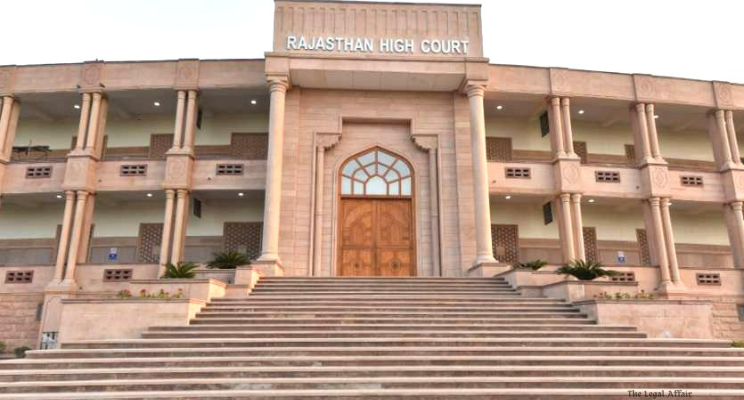
In the case, M/s S.A.S R.K. Marble Udhyog v. Shree Pustimargiya & Ors., and other connected petitions [2025 LiveLaw (Raj) 5], the Rajasthan High Court, presided by Justice Rekha Borana, ruled that land used for mining operations cannot be considered agricultural land under the Rajasthan Tenancy Act, 1955. The petitions were filed challenging a trial court’s order that dismissed applications for rejecting plants and held suits seeking permanent injunctions against mining operations maintainable. The dispute arose when plaintiffs sought to restrain mining operations on lands recorded as “mining areas” without their consent, arguing that the land retained its agricultural character. The petitioners contended that the land remained agricultural despite being sanctioned for mining, as it had not been officially converted, while the respondents argued that mining activity fundamentally altered the land’s nature, making it non-agricultural.
Arguments of Both Sides:
The petitioners asserted that granting a mining license did not alter the land’s agricultural nature. They maintained that the land, though recorded as “for mining purposes” in the revenue records, was never officially converted from agricultural land. According to them, the mere use of the land for mining did not change its inherent nature, and any suit regarding it must be heard in a revenue court as per the Rajasthan Tenancy Act.
Conversely, the respondents argued that once land is used for mining operations and recorded as such in revenue records, it ceases to be agricultural. They cited Section 5(24) of the Rajasthan Tenancy Act, which defines “land,” and emphasized that the land was not let or held for agricultural purposes. Mining, being a civil right, fundamentally changed the nature and usage of the land. They further contended that the trial court correctly deemed the suits maintainable as the land no longer fell under the purview of agricultural land under the Act.
Court’s Judgment:
After examining the arguments and the provisions of the Rajasthan Tenancy Act, Justice Rekha Borana held that mining operations cannot be classified as agricultural activities under Section 5(24) and Section 5(2) of the Act, which define “land” and “agriculture,” respectively. The Court clarified that agricultural land must either be cultivated or used for agricultural purposes. Since the land in question was recorded as “for mining purposes” in revenue records, it could not be treated as agricultural land.
The Court noted that even if the nature of land does not change by mere usage, the entry in the revenue records is significant. The entry showing the land as a “mining area” reflected its current purpose and use, thereby excluding it from the definition of agricultural land under the Act. The Court concluded that the trial court’s rejection of the applications for rejecting the plants was appropriate and found no reason to interfere with its decision.
The Court emphasized that mining activities are civil rights and once a mining license is granted, the purpose and nature of the land are altered. Thus, the suits seeking to restrain mining operations were maintainable in the civil court. The petitions challenging the trial court’s decision were dismissed, affirming that the land in question could not be considered agricultural under the Act.