


Introduction:
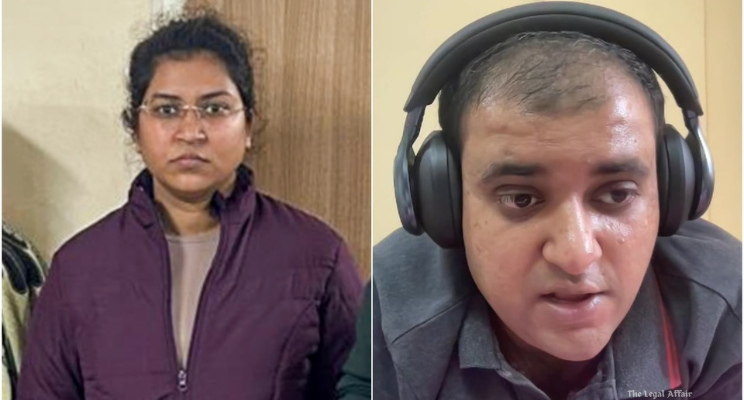
In the case Nikita Singhania & Others v. State of Karnataka & ANR (CRL.P 14463/2024), the Karnataka High Court declined to quash a criminal complaint filed against Nikita Singhania and her family members for allegedly abetting the suicide of her husband, Atul Subhash, a Bengaluru-based tech professional. Justice S.R. Krishna Kumar, hearing the plea, observed that prima facie ingredients of the offence under Section 108 read with Section 3(5) of the Bhartiya Nyaya Sanhita were made out in the complaint. Atul Subhash tragically died by suicide on December 9, 2024, leaving a suicide note, a video statement, and a placard that read “justice is due,” alleging harassment by his wife and in-laws amidst an ongoing family court dispute over divorce, alimony, and child custody. The Court refused to stay the investigation, stating that sufficient details were provided in the complaint to warrant further inquiry.
Arguments of Both Sides:
The petitioners, represented by counsel, argued that the complaint failed to substantiate the essential ingredients required to register an abetment case. They contended that merely lodging legal cases against the deceased does not constitute abetment under the law. The counsel further asserted that the petitioners had exercised their right to seek legal remedies in matrimonial disputes and should not be held liable for Atul’s suicide based on his allegations. They urged the Court to quash the complaint, citing a lack of evidence connecting the alleged harassment to the act of abetment.
On the other hand, the prosecution, representing the complainant Bikas Kumar, the brother of the deceased, argued that the complaint and accompanying FIR detailed specific instances of harassment by Nikita and her family, which directly contributed to Atul’s mental distress. The suicide note and video left behind by Atul were cited as evidence of prolonged emotional torment inflicted by the accused, including allegations of false matrimonial cases filed to pressurise him. The prosecution contended that these actions formed a direct nexus with the offence of abetment to suicide, justifying further investigation into the matter.
Court’s Judgment:
After a preliminary review of the case, Justice S.R. Krishna Kumar declined to grant relief to the petitioners. The Court observed that the complaint, FIR, and accompanying material sufficiently outlined the allegations against Nikita and her family members, fulfilling the prima facie requirements for an abetment charge under Section 108 of the Bhartiya Nyaya Sanhita. The bench emphasised that at the stage of Section 482 proceedings, the role of the Court is limited to assessing whether the allegations, as stated, disclose the commission of an offence. The judge remarked, “Details are given, everything is given. Look at the FIR, and the complaint and say what is missing. What more details should have been given, everything is given for abetment of suicide.”
The Court refused to interfere with the ongoing investigation, stating that quashing the complaint at this stage would amount to prematurely halting the inquiry. It further directed the prosecution to produce all material collected during the investigation in the next hearing. Acknowledging the sensitivity of the case, the Court refrained from commenting on the merits of the allegations and underlined that the matter required a thorough investigation.
Justice Krishna Kumar also addressed the petitioners’ argument regarding their right to file legal cases, stating that while individuals are entitled to pursue legal remedies, the context and intent behind such actions must be examined to determine if they amount to harassment. The Court issued notice to the respondents and directed them to file objections. After two weeks, the matter was adjourned for further hearing.
The suicide note and video statement left by Atul Subhash, the Court noted, were critical pieces of evidence that warranted scrutiny. The 34-year-old techie had outlined instances of alleged harassment during ongoing family court proceedings in Uttar Pradesh’s Jaunpur district. These allegations, coupled with his tragic death, underscored the need for a detailed investigation to ascertain the truth.
The judgment also highlighted the broader implications of such cases, emphasising the importance of balancing individual rights with the need to prevent misuse of legal provisions. The Court observed that allegations of abetment to suicide must be treated with seriousness, given their potential impact on the mental health and well-being of individuals embroiled in protracted disputes. At the same time, it cautioned against the misuse of such allegations to settle personal scores.
While refusing to quash the complaint, the High Court reiterated that its observations were limited to the prima facie stage and would not prejudice the trial outcome. The Court emphasised the need for a fair and impartial investigation to uncover the facts and ensure justice for all parties involved.
Conclusion:
The Karnataka High Court’s decision underscores the importance of allowing investigations to proceed in cases involving serious allegations of harassment and abetment to suicide. By refusing to quash the complaint at this stage, the Court has ensured that the claims raised by the deceased are thoroughly examined, providing an opportunity for the accused to present their defence during the investigation. The case serves as a reminder of the complexities surrounding matrimonial disputes and the need for balanced adjudication to safeguard the rights of all parties.