


Introduction:
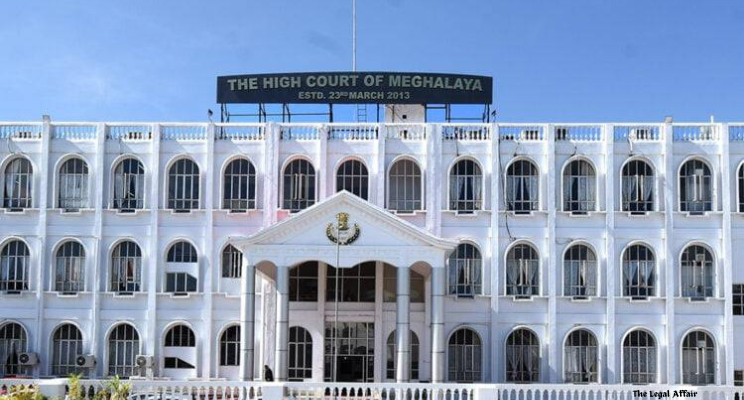
The Meghalaya High Court recently granted bail to Shri Wallam Jingsuk Barim, an accused in the 2022 Shillong Police Bazar bomb blast case, citing prolonged pre-trial detention. Barim had been in custody for over two and a half years, and the Court, noting the delay in the trial and the principle of “bail, not jail,” allowed his release, subject to conditions. The Court’s ruling came after Barim’s bail application had been rejected by a Special Judge, even though several co-accused had already been granted bail.
Case Background:
Barim was arrested for allegedly supplying explosives to the main accused in the low-intensity blast that occurred in Police Bazar, Shillong. The National Investigation Agency (NIA) charged him under multiple sections of the Indian Penal Code (IPC), the Explosive Substances Act, and the Unlawful Activities (Prevention) Act (UAPA). Despite the severity of the charges, the trial had made little progress, prompting Barim to appeal to the High Court after the Special Judge denied his bail plea.
Arguments of Both Sides:
Appellant’s Arguments:
- Prolonged Detention: The appellant’s counsel, Mr. P. Yobin, argued that Barim had been in custody for over two and a half years without significant progress in the trial, which involved many pending witnesses.
- Role and Complicity: The defense contended that the appellant’s involvement in supplying explosives was not yet proven, and such determinations should be left for trial. Denying bail based on this assumption was speculative.
- Principle of Parity: The appellant highlighted that co-accused charged under similar sections had been granted bail. Denying Barim the same relief amounted to discriminatory treatment.
- Violation of Personal Liberty: Barim’s counsel stressed that prolonged incarceration without conviction infringed upon his fundamental right to personal liberty.
Respondents’ Arguments:
- Seriousness of Charges: The prosecution, led by Deputy Solicitor General Dr. N. Mozika, argued that the appellant’s alleged involvement in supplying explosives was a serious threat to public safety, and releasing him could endanger the investigation.
- Non-Applicability of Parity: The respondents contended that Barim’s role was more significant than that of the other accused, as he directly supplied the explosives, and therefore the principle of parity did not apply.
- Risk of Absconding or Tampering: The prosecution raised concerns that Barim might abscond or interfere with the trial if granted bail, given the severity of the charges.
Court’s Judgement:
Prolonged Detention and Trial Delays:
- The Court observed that Barim had been in custody for over two and a half years and that the trial showed no signs of concluding in the near future due to the large number of witnesses. The Court emphasized the fundamental right to a speedy trial, stating that indefinite pre-trial detention without progress in the case violated this right. The Court underscored that prolonged detention should not be the norm when a trial is delayed.
Application of the Principle of Parity:
- The Court highlighted the importance of parity in granting bail, particularly when other co-accused had already been released under similar circumstances. The bench remarked that denying Barim bail while granting it to co-accused would be inconsistent and discriminatory. The Court reaffirmed that “bail, not jail” should be the guiding principle, especially when the accused are similarly placed.
Flawed Reasoning by Special Judge:
- The High Court found that the Special Judge’s reasoning for denying bail was flawed. The assumption that Barim had supplied explosives and was therefore not eligible for bail was premature, as the trial had not yet determined his role. The Court stressed that the accused’s culpability should be adjudicated during the trial, not preemptively assumed in bail proceedings.
Bail Conditions:
- The Court granted bail to Barim, imposing certain conditions to ensure he did not abscond or interfere with the trial. These conditions included:
- A personal bond of ₹50,000 with two sureties of the same amount.
- Restrictions on leaving the jurisdiction without prior permission.
- A prohibition on tampering with witnesses or evidence.
Conclusion:
The Meghalaya High Court’s decision to grant bail to Barim underscores the judiciary’s commitment to upholding individual liberty and ensuring fair treatment in cases of prolonged pre-trial detention. The application of the principle of parity ensured that Barim was not treated differently from his co-accused, while the decision also highlighted the importance of resolving accusations during the trial process rather than through extended pre-trial detention. This ruling reinforces the idea that, unless compelling reasons exist, bail should be granted to protect the fundamental right to personal liberty.