


Introduction:
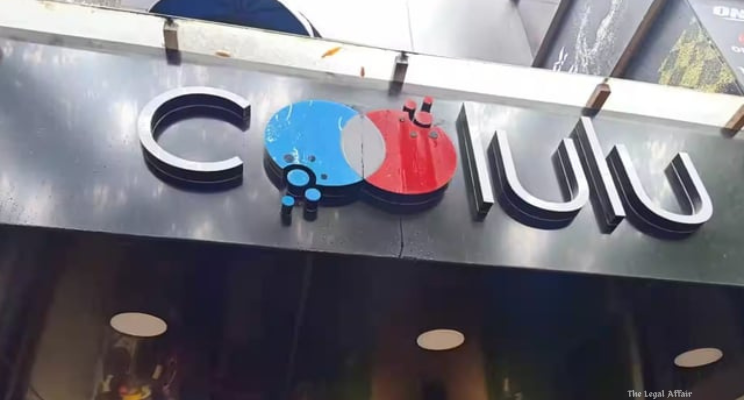
In a recent legal development, the Bombay High Court addressed a commercial dispute between Phonographic Performance Limited (PPL), an entity representing the rights of music copyright holders, and Lulu International Shopping Malls. The case, which involved allegations of copyright infringement and unauthorized use of sound recordings at Lulu malls, saw the defendant, Lulu International, offer an assurance to the Court regarding future compliance with copyright laws. The Court accepted Lulu Malls’ undertaking, which included their commitment to not using PPL’s sound recordings or songs without a valid license. The matter arose after PPL filed a commercial suit against the mall for using its copyrighted songs without paying the requisite license fees, especially since 2022. The suit sought restraining orders and damages. The case highlights the importance of compliance with copyright laws and the protection of intellectual property rights in commercial spaces.
Arguments of Both Sides:
PPL, the plaintiff, through its legal team, argued that Lulu International Shopping Malls had been publicly playing sound recordings owned by PPL without obtaining the proper licenses. This unauthorized use of copyrighted material, according to PPL, violated the Copyright Act and resulted in financial harm due to the non-payment of licensing fees. PPL sought a restraining order against the mall, urging the Court to stop the mall from continuing these actions unless a valid license was obtained. The plaintiff also requested that the mall be directed to pay back the license fees for the songs used without permission, especially since 2022 when the infringement allegedly began.
In response, the defendant, Lulu International Shopping Malls, represented by a team of legal professionals, made a statement in court acknowledging the complaint but providing a clear assurance regarding future actions. The defendant expressed a willingness to resolve the issue amicably and offered a commitment to adhere to copyright laws going forward. The mall assured the Court that it would not use any sound recordings or songs owned by PPL unless they had obtained the necessary license for public performance. Additionally, Lulu International assured the Court that it would ensure that any third parties organizing events at its premises would also comply with copyright laws by securing proper licenses from PPL for the use of sound recordings. The defendant further clarified that any license fees paid to PPL would be contingent on the final outcome of the suit, and this commitment was presented to the Court as an undertaking, which would be enforceable moving forward.
Lulu International’s counsel emphasized the importance of settling the matter in compliance with the law and sought to avoid further legal complications by ensuring that all future events at the mall, including those organized by third parties, would not feature unlicensed music. The mall’s legal representatives assured the Court that they had taken steps to ensure compliance with the provisions of the Copyright Act, particularly with respect to the payment of license fees for music performances.
The Court considered the statements made by the defendant as an undertaking and noted that the mall’s commitment to obtaining a license from PPL would address the ongoing dispute. The Court also expressed satisfaction with the assurances provided, which included not only the mall’s direct actions but also their control over third-party events on the premises. This concession by the mall was seen as a positive step toward resolving the issues raised by the plaintiff.
Court’s Judgment:
The Bombay High Court, after considering the submissions and the assurance provided by Lulu International Shopping Malls, accepted the defendant’s undertaking to comply with copyright laws. The Court acknowledged the mall’s commitment to securing licenses for public performances of music in the future, as well as ensuring that third parties organizing events at the mall would also adhere to the licensing requirements set by PPL. This undertaking was recorded as an official statement to the Court, which would hold the mall accountable for future compliance.
The Court further noted that while the matter had been resolved with the defendant’s assurance, the licensing fees paid by Lulu International to PPL would be subject to the final outcome of the ongoing suit. The legal proceedings would continue to ensure that all terms were met and that the rights of PPL were protected under the law.
In essence, the Bombay High Court’s judgment emphasized the significance of obtaining proper licenses for music usage and the need for businesses, especially large commercial entities like Lulu International, to adhere to intellectual property laws. The Court’s decision not only addressed the immediate concerns of copyright infringement but also set a precedent for other commercial establishments to take proactive measures in obtaining proper licenses for music performances.