


Introduction:
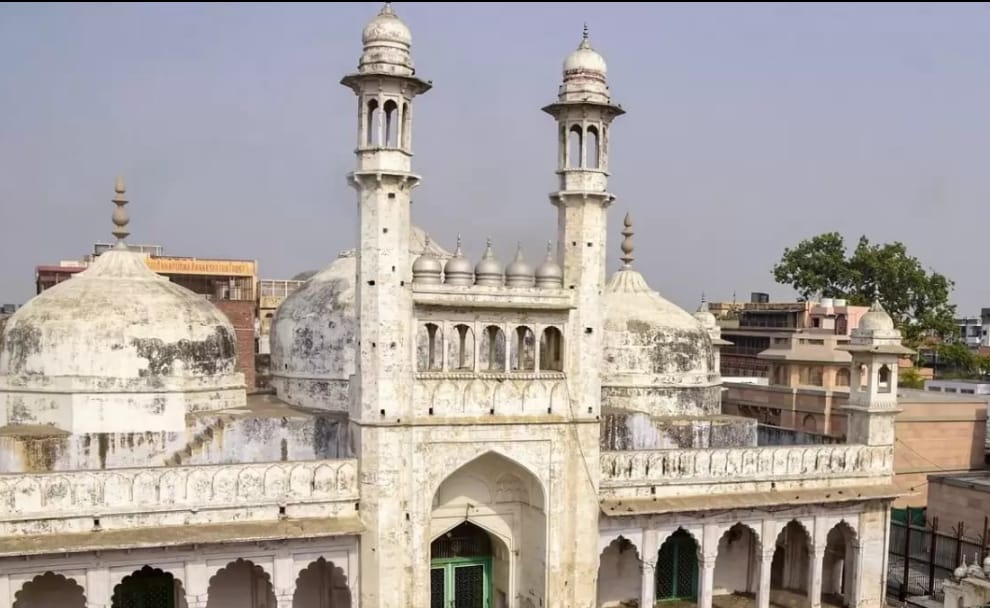
In a sensitive case concerning the Gyanvapi Mosque-Vyas Cellar/Tehkhana dispute, the Allahabad High Court directs the involved parties to refrain from making public statements or engaging with the media until the matter is resolved. The court adjourns the hearing on a plea filed by the Gyavapi Mosque committee challenging a Varanasi Court order allowing Hindu parties to perform puja in the southern cellar of the Gyanvapi mosque. The legal battle delves into issues of worship rights, possession, and the prompt execution of the Varanasi Court’s order.
Arguments of Both Sides:
The Mosque committee, represented by Senior Counsel SFA Naqvi, contests the Varanasi District Judge’s order, emphasizing that it virtually grants the final relief sought by the plaintiff. Naqvi questions the swift execution of the order by the District Magistrate and seeks clarity on how the order was communicated. The defense argues against the promptness of the District Magistrate and questions the legitimacy of the order’s execution.
On the other side, Advocate Vishnu Shankar Jain, representing the original plaintiff, argues that the Mosque committee failed to challenge the Varanasi Court’s earlier order appointing the District Magistrate as the receiver of the property. Jain asserts that the impugned order allowing worship rituals inside the Tehkhana on January 31st was a result of exercising powers under Section 151 CPC. The issue revolves around possession, appointment of a receiver, and the subsequent permission for worship rituals.
Court’s Proceedings:
During the court proceedings, the Allahabad High Court urges parties to exercise restraint and avoid public statements on the sub-judice matter. The court adjourns the hearing, emphasizing the need for a fair legal process. The arguments in court revolve around the execution of the Varanasi Court’s order, possession of the Tehkhana, and the timeline of legal proceedings.