


Introduction:
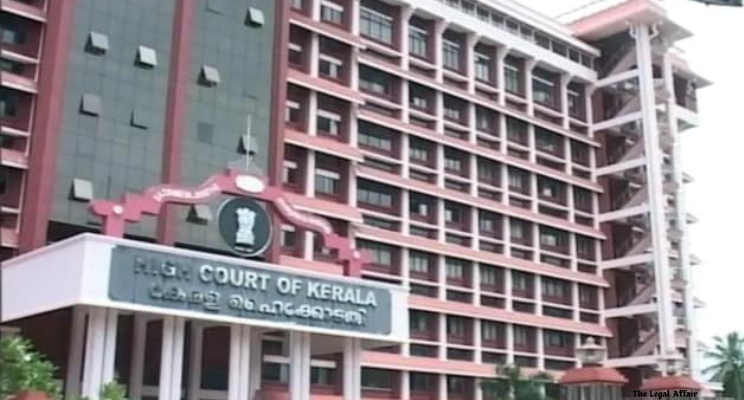
In a recent judgment, the Kerala High Court refused to quash proceedings initiated against two senior officials from Rashtra Deepika Publications, Kottayam. The officials, the printer and publisher, and the chief editor were charged under Section 228A of the Indian Penal Code (IPC) for allegedly disclosing the identity of a sexual offence victim in a news report. The petitioners sought to quash the proceedings, but Justice A. Badharudeen ruled that a prima facie case existed, maintaining the trial against the accused.
The case stems from a December 20, 2017, article in the Rashtra Deepika Evening Daily that allegedly contained details leading to the identification of a victim involved in a sexual offence under Section 376 of the IPC. The Court’s ruling referenced Supreme Court guidelines in Nipun Saxena v. Union of India (2019), emphasizing the protection of victims’ privacy in sexual offence cases.
Arguments by the Petitioners:
Represented by advocates Jomy George and team, the petitioners argued that the article in question neither directly nor indirectly disclosed the victim’s identity. They claimed the report adhered to journalistic ethics and legal standards, with no intent to reveal sensitive information. They also stressed that invoking Section 228A was unwarranted since no explicit disclosure had been made, and the article was published in good faith, without any malintent.
Additionally, the petitioners expressed concern over the chilling effect such cases could have on press freedom. They argued that criminal liability for editors and publishers in cases like this could lead to undue caution in reporting sensitive matters, undermining the press’s role in a democracy.
Arguments by the Prosecution:
Senior Public Prosecutor C.K. Suresh and ADGP Grashious Kuriakose contended that the publication provided enough information to indirectly reveal the victim’s identity, violating Section 228A of the IPC. The prosecution emphasized that Section 228A extends beyond explicit disclosure, covering any indirect details that could lead to identification, thereby jeopardizing the victim’s right to privacy.
They further cited the Supreme Court’s ruling in Nipun Saxena, which mandates strict adherence to protecting the identity of sexual offence victims. The prosecution argued that the petitioners, being senior officials, were accountable for ensuring compliance with legal standards and could not escape liability.
Judgement:
Justice A. Badharudeen upheld the prosecution’s case, ruling that the article had sufficient details to potentially identify the victim, violating Section 228A of the IPC. The Court rejected the petitioners’ defense of good faith, emphasizing that their roles required due diligence in safeguarding victim privacy. The judgment reinforced the Supreme Court’s guidelines from the Nipun Saxena case, which prioritize victim anonymity in sexual offence reports.
As a result, the petition to quash the proceedings was dismissed, and the petitioners were ordered to face trial under Section 228A.
Conclusion:
This ruling reaffirms the responsibility of the media to protect the identity of sexual offence victims, highlighting the need for caution in reporting on such sensitive matters. The Kerala High Court’s decision stands as a reminder of the legal consequences for violating these protections under Section 228A of the IPC.