


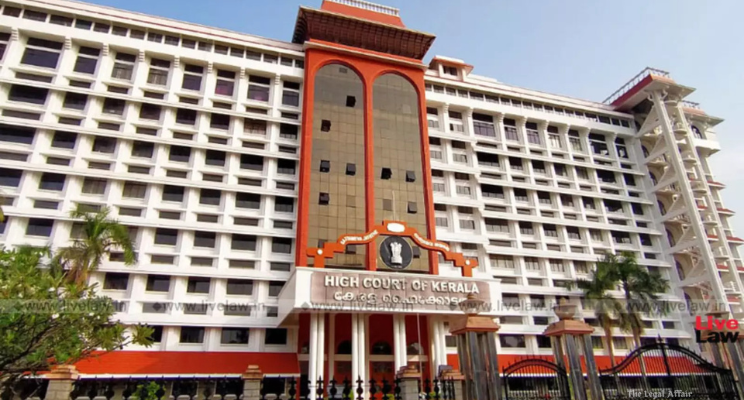
Introduction:
In the case of Muhammed Ashraf K.A. v. The Sub Inspector of Police and Others, the Kerala High Court addressed the Public Prosecutor’s critical role in deciding on a prosecution’s withdrawal. A single bench led by Justice K. Babu ruled that the Public Prosecutor must independently evaluate the material evidence before deciding to withdraw a case, even if directed by the government. This decision reinforces the separation between judicial duties and governmental influence, particularly when withdrawing cases involving serious offences. The petitioner, Muhammed Ashraf, sought to challenge the lower court’s refusal to allow the withdrawal of his case, which included serious charges under Sections 353, 354, and 506 of the Indian Penal Code, relating to obstructing a public servant and assault intent to outrage a woman’s modesty.
Arguments of the Petitioner:
Represented by Advocate Sunny Mathew, the petitioner, Muhammed Ashraf, argued that the Public Prosecutor’s application for withdrawal of prosecution under Section 321 of the Criminal Procedure Code (Cr.P.C.) was valid, following the government’s directive. The petitioner emphasized that the government, as a policy-maker, has discretionary authority to decide if a case should proceed or be withdrawn, particularly when external circumstances, such as political dynamics or social considerations, might warrant leniency or discontinuation of prosecution.
The petitioner’s counsel asserted that the Public Prosecutor merely adhered to a government order without requiring extensive analysis on his part, as the government was best positioned to assess the socio-political implications. The petitioner contended that the Magistrate’s refusal to allow the withdrawal disregarded the government’s prerogative and questioned the court’s interference in an executive decision. Additionally, the counsel argued that since the government had reviewed the case and advised the Public Prosecutor to file a withdrawal, the subsequent filing was procedurally valid, with no need for further judicial scrutiny over its merits.
Arguments of the Respondent and Victim:
Represented by Advocates Neema Jacob and Shahna Karthikeyan, the respondent and victim in the case, a woman police officer, opposed the withdrawal of prosecution, asserting that such a move would undermine justice and discourage victims, especially those within the police force, from reporting abuse. She highlighted the gravity of the allegations, which included criminal intimidation and assault intended to outrage a woman’s modesty. The victim submitted that the Public Prosecutor failed to exercise due diligence by not assessing the case on its merits and merely following the government’s directive without independent consideration.
The respondent’s counsel underscored that Section 321 of Cr.P.C. places a clear responsibility on the Public Prosecutor to assess all evidence and exercise his discretion judiciously, safeguarding the public interest. They argued that the Magistrate rightly refused the withdrawal application, as the Public Prosecutor failed to fulfil his statutory duty by neglecting to examine the case independently. This lack of evaluation, the counsel asserted, pointed to improper external influence, undermining the victim’s right to a fair judicial process.
The victim further contended that the allegations went beyond mere political or social considerations, involving fundamental issues of safety and respect for law enforcement personnel. The decision to withdraw, therefore, could not be solely at the discretion of the government but required careful judicial oversight, particularly when serious criminal charges are involved.
Court’s Judgment:
Justice K. Babu’s judgment provided a thorough analysis of the responsibilities vested in the Public Prosecutor under Section 321 of the Cr.P.C., underscoring the independent judgment required for any prosecution withdrawal. The court observed that while the government may recommend case withdrawals for various reasons, including political considerations, the Public Prosecutor must exercise independent discretion in determining if such a withdrawal aligns with the public interest and the justice system’s integrity.
The court emphasized that Section 321 explicitly tasks the Public Prosecutor with ensuring that any application for case withdrawal is made in “good faith,” with a duty to scrutinize all relevant materials and confirm that public interest will not be compromised. Justice Babu pointed out that the Public Prosecutor’s role is not a mere formality but an exercise in judicial prudence, safeguarding against arbitrary or biased influences that may jeopardize fair justice.
The court analyzed the procedure required for case withdrawal under Section 321, highlighting that a Public Prosecutor, before applying, must make a genuine effort to confirm the facts and merits of the case about the public good. A withdrawal must not serve private interests, nor should it result in a miscarriage of justice by depriving victims of fair recourse. The court noted that the allegations, in this case, were particularly severe, involving the alleged assault and intimidation of a woman police officer performing her official duties, which placed the matter within the public domain as a case of significant social relevance.
Justice Babu criticized the Public Prosecutor’s failure to assess the case independently and found that his actions were influenced by government pressure rather than a bona fide application of mind. The court stated that while the government could advise on withdrawal, it could not supersede the statutory duty of the Public Prosecutor to scrutinize the case impartially. The High Court upheld the Magistrate’s refusal to allow the withdrawal, finding that granting withdrawal in such cases would compromise public interest by potentially endorsing impunity for grave offences against public servants.
The judgment also elaborated on the judicial role in reviewing withdrawal applications, noting that the court’s consent is required to prevent any attempt by the executive to manipulate the judicial process. The court must ensure that such applications do not disrupt the fair administration of justice or prioritize external influences over the victim’s and the public’s right to a just trial.
The court’s dismissal of the petition reinforced the view that cases involving threats and violence against public servants, particularly female officers, merit full judicial examination. It was concluded that allowing withdrawal would not only impede justice for the victim but also erode public confidence in the legal system, particularly in cases involving abuse of power and authority.