


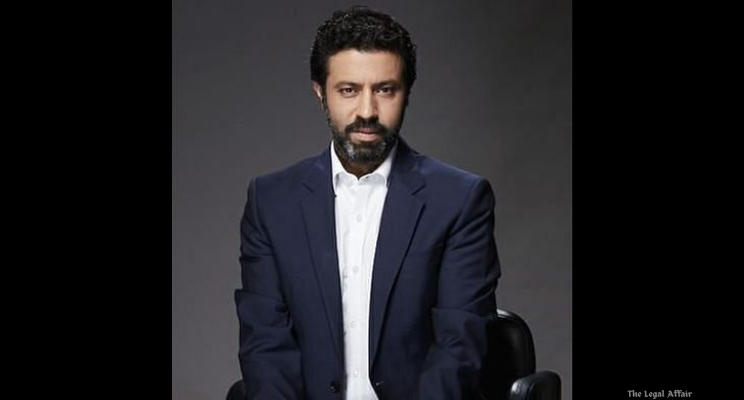
Introduction:
The Karnataka High Court, in Rahul Sivasankar v. Criminal Investigation Department & Anr. (CRL.P 2457/2024), quashed an FIR registered against journalist Rahul Sivasankar over his tweet questioning the State Government’s allocation of funds for religious minorities. The FIR, lodged by Kolar councillor N. Ambaresh, alleged that Sivasankar’s tweet was false and intended to incite religious disharmony. The journalist was booked under Sections 153A and 505 of the Indian Penal Code (IPC), which penalize promoting enmity between different groups and spreading false information. The court, presided over by Justice M. Nagaprasanna, ruled in favor of Sivasankar, holding that his tweet was based on factual points and did not constitute an offense under the cited provisions of the IPC.
Arguments of Both Sides:
The petitioner, represented by Advocate Bipin Hegde, argued that the tweet merely posed a question regarding the allocation of public funds and was not a deliberate attempt to incite hatred. Sivasankar contended that his tweet was factually accurate, citing the government’s budgetary allocations, and insisted that questioning public policies should not be construed as an act of criminality. He emphasized that, as a journalist, he frequently raises such issues to foster public debate. The defense stressed that if such questioning were deemed illegal, it would set a dangerous precedent curtailing free speech and press freedom.
On the contrary, Additional Special Public Prosecutor B.N. Jagadeesha, representing the State, contended that the tweet was misleading and intended to create disharmony between communities. The prosecution asserted that Sivasankar deliberately omitted crucial facts and misrepresented the State Government’s stance on religious funding. The complaint by Councillor N. Ambaresh alleged that the tweet was “sarcastic” and sought to provoke religious sentiments by comparing temple revenues with allocations for Waqf properties, Haj Bhavan in Mangalore, and Christian places of worship. The State argued that the tweet fell within the purview of Sections 153A and 505 IPC and warranted criminal prosecution.
Judgement:
After reserving its verdict on February 13, 2025, the Karnataka High Court delivered its judgment on March 17, 2025, ruling in favor of Sivasankar. Justice M. Nagaprasanna observed that a mere question or expression of opinion, even if controversial, does not amount to criminal conduct unless it explicitly incites violence or enmity. The court reasoned that there was no prima facie evidence to suggest that the tweet had led to any law-and-order disruption or provoked communal unrest. It held that attributing criminal intent to journalistic questions would significantly hinder free speech and the press’s ability to function as a watchdog of democracy. Citing Supreme Court precedents on free speech, the court reiterated that dissent and critique of government policies cannot be criminalized unless they cross the threshold of direct incitement. Consequently, the FIR was quashed, and all proceedings against Sivasankar were set aside.