


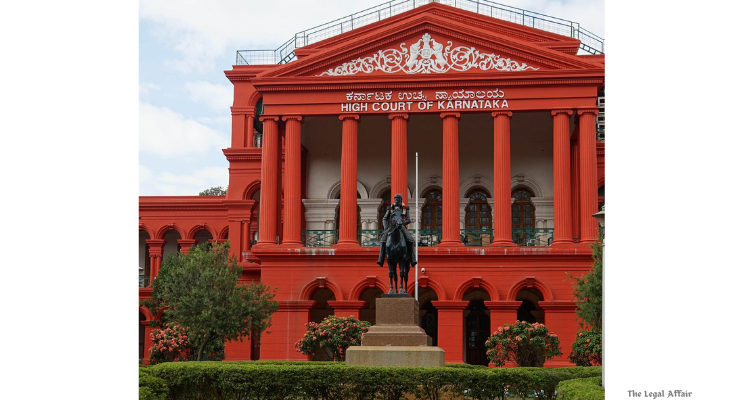
Introduction:
The Karnataka High Court recently addressed a plea filed by Bhimappa Gundappa Gadad, urging the disqualification of 9 ministers and 37 MLAs for purportedly not adhering to the prescribed oath-taking format under Schedule III of the Indian Constitution. The petitioner sought their disqualification and deemed their appointments as unconstitutional and illegal.
Arguments of Both Sides:
The petitioner argued that the respondents breached the constitutional mandate in Article 188 read with Schedule III of the Constitution by not following the prescribed oath format. Additionally, the petitioner demanded a penalty fine as per Article 193 for each day of their office attendance.
The respondents defended their stance, contending that the oath was taken in substantial compliance with the prescribed format. They highlighted instances where elected representatives invoked expressions of reverence to social reformers and revered figures, asserting that such expressions should not impugn the sanctity of the oath-taking process.
Court’s Judgement:
The division bench of Chief Justice Prasanna B Varale and Justice Krishna S Dixit dismissed the plea, emphasizing that the oath, even when expressed with deference to revered figures, substantially adhered to the prescribed format. The Court highlighted the flexibility offered in the Constitution, allowing oaths in various languages and accommodating reverence to esteemed figures, ensuring substantial compliance rather than rigid formalism.
The Court cautioned against unnecessary litigation arising from technicalities in oath-taking procedures and underscored the importance of prioritizing substance over mere formality. It emphasized the evolution of civil jurisdictions towards substantive compliance and linguistic flexibility as permitted by the Constitution.
The bench’s verdict centered on the substantial compliance of the oath, refuting claims of non-compliance and upholding the legitimacy of the oath taken by the respondents.