


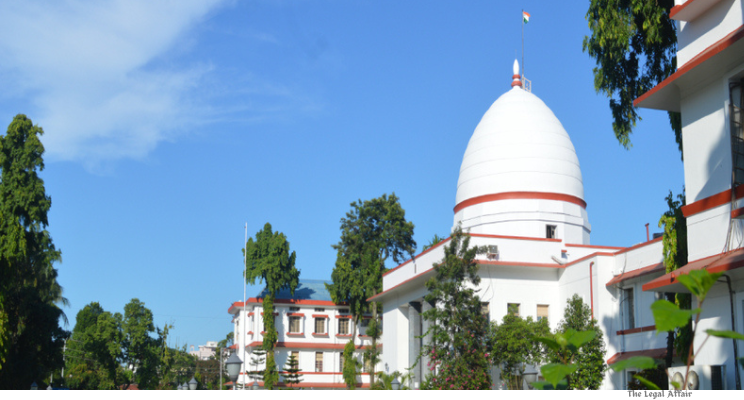
Introduction:
The Gauhati High Court recently issued a directive to the Central Haj Committee of India to resolve the grievances of Haj pilgrims from Assam who had been charged excess airfare for their pilgrimage in 2023. The petitioners, 91 Haj pilgrims from Assam, filed a writ petition challenging the collection of excess airfare for a chartered flight, which was subsequently cancelled by the Haj Committee without refunding the difference.
Arguments:
The petitioners, led by Samsul Hussain, contended that they had paid a significant sum for the airfare of a chartered flight from Guwahati to Jeddah, only to be asked at the last moment to board a normal passenger flight instead of the promised chartered flight. The pilgrims were informed of the change at the embarkation point in Guwahati, causing confusion and inconvenience. Despite numerous representations to the Haj Committee seeking a refund of the excess amount, the pilgrims have not received any response or refund to date. The petitioners argued that the Haj Committee had failed in its duty to refund the excess fare collected for the cancelled chartered flight, which they deemed unfair and unreasonable.
In response, the counsel for the Haj Committee stated that the changes in flight arrangements were made in light of logistical reasons, but they did not dispute the fact that the pilgrims had been charged for services that were not provided. The Haj Committee had failed to address the representations filed by the petitioners seeking a refund, and this was cited as a breach of duty. After hearing the arguments from both sides, the court agreed with the petitioners’ contention that the representations had not been adequately addressed. It noted that the petitioners had made sincere attempts to resolve the issue by communicating with the authorities, but no action had been taken to rectify the situation.
Judgement:
Justice Soumitra Saikia, presiding over the matter, observed that both parties agreed that the writ petition could be disposed of by directing the Haj Committee to take action on the representations submitted by the petitioners. The court emphasized the need for the Haj Committee to resolve the issue in compliance with Section 42 of the Haj Committee Act, 2002. Section 42 of the Act mandates that the Haj Committee must address grievances and complaints from pilgrims in a fair and timely manner. The court’s directive was clear: the Haj Committee must dispose of the representations by issuing a reasoned order after hearing the petitioners and considering the provisions of the Haj Committee Act.
The court was keen to ensure that the pilgrims’ rights were protected and that they were not unduly burdened by excess charges for services that were not provided. The judgment also highlighted the importance of adhering to legal frameworks designed to safeguard the interests of the public, particularly in cases involving religious and pilgrimage-related services. The court granted the Haj Committee 90 days to resolve the issue and directed it to provide a detailed explanation for its decision.
In conclusion, the Gauhati High Court’s intervention in this case underlined the need for prompt and transparent action by authorities in matters affecting the welfare of pilgrims. By directing the Haj Committee to dispose of the pilgrims’ representations in compliance with the Haj Committee Act, the court ensured that the legal rights of the petitioners were upheld. This decision serves as a reminder to administrative bodies about their obligations towards citizens and the importance of resolving grievances efficiently and fairly.