


Introduction:
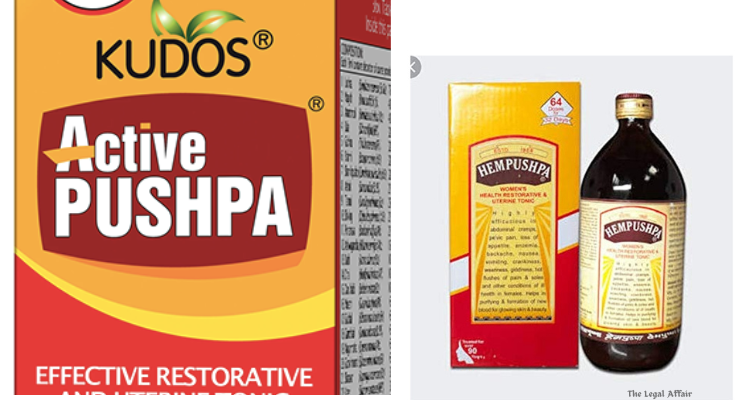
In Rajvaidya Shital Prasad and Sons v. Karna Goomar and Another [C.O. (COMM.IPD-TM) 385/2021; Citation: 2026 LLBiz HC (DEL) 5], the Delhi High Court delivered a significant ruling reinforcing the foundational principles of trademark protection, particularly in the sensitive domain of medicinal and pharmaceutical products. Decided by Justice Tejas Karia on December 24, 2025, the judgment ordered the cancellation and removal of the trademark “ACTIVEPUSHPA” from the Register of Trade Marks on the ground that it was deceptively similar to “HEMPUSHPA,” a well-known and long-established ayurvedic tonic for women’s health. The Court held that the impugned mark was likely to cause confusion among consumers, especially given the identical nature of the goods, the overlapping trade channels, and the class of consumers involved. The decision underscores that even where a part of a mark may be descriptive or common, its dominant and prominent use in relation to identical goods can still amount to infringement and justify rectification of the register, particularly when public health considerations are involved.
Factual Background:
The petitioner, Rajvaidya Shital Prasad and Sons, is a Delhi-based manufacturer and marketer of ayurvedic medicines. The firm has been manufacturing and selling ayurvedic syrups and tonics for women’s health under the trademark “HEMPUSHPA” since as early as 1933. Over more than nine decades of continuous, extensive, and uninterrupted use, the mark has acquired substantial goodwill and reputation in the market. “HEMPUSHPA” is a registered trademark in Class 05, which covers pharmaceutical and medicinal preparations, and has become closely associated in the minds of consumers with the petitioner’s products for women’s health.
The respondent, Karna Goomar, is also engaged in the business of ayurvedic medicines. At a later point in time, the respondent adopted and obtained registration for the trademark “ACTIVEPUSHPA,” also in Class 05, for ayurvedic medicinal products. Aggrieved by this registration, the petitioner approached the Delhi High Court by way of a rectification petition, seeking cancellation of the “ACTIVEPUSHPA” mark from the Trade Marks Register on the ground that it was deceptively similar to “HEMPUSHPA” and was likely to mislead and confuse consumers.
Issues for Determination:
The primary issues before the Court were whether the trademark “ACTIVEPUSHPA” was deceptively similar to the petitioner’s earlier trademark “HEMPUSHPA,” whether the shared use of the word “PUSHPA” constituted a dominant feature leading to likelihood of confusion, whether the adoption of the impugned mark was bona fide or mala fide, and whether the continued registration of “ACTIVEPUSHPA” was sustainable in law, particularly in light of the need to maintain the purity of the Trade Marks Register and protect consumers of medicinal products.
Arguments on Behalf of the Petitioner:
The petitioner contended that it is the prior adopter, registered proprietor, and long-standing user of the trademark “HEMPUSHPA,” having used the mark continuously since 1933 for ayurvedic tonics and syrups meant for women’s health. It was argued that the mark has acquired immense goodwill, reputation, and distinctiveness through decades of use and has become a source identifier exclusively associated with the petitioner.
The petitioner submitted that the respondent’s adoption of “ACTIVEPUSHPA” for identical ayurvedic medicinal products was dishonest and calculated to ride on the reputation and goodwill of “HEMPUSHPA.” Emphasis was placed on the fact that both marks were used in respect of identical goods falling under Class 05, were sold through the same trade channels, and targeted the same class of consumers, namely women seeking ayurvedic health tonics.
It was argued that the dominant feature of both marks was the word “PUSHPA,” which was prominently displayed and phonetically similar in both “HEMPUSHPA” and “ACTIVEPUSHPA.” According to the petitioner, the addition of the word “ACTIVE” did not sufficiently distinguish the impugned mark, especially when viewed from the perspective of an average consumer with imperfect recollection. In the context of medicinal products, even a small degree of similarity, it was argued, could have serious consequences, including confusion that may directly affect consumer health.
The petitioner further contended that while “PUSHPA” may be a commonly used word, the manner of its adoption, presentation, and use by the respondent, particularly for identical products, revealed a mala fide intention to create an association with the petitioner’s long-established brand. On these grounds, the petitioner sought rectification of the Trade Marks Register by removal of the impugned mark.
Arguments on Behalf of the Respondent:
The respondent opposed the rectification petition by contending that the word “PUSHPA” is a generic and descriptive term commonly used in products related to women and women’s health and therefore cannot be monopolized by any single trader. It was argued that several traders use the word “PUSHPA” in connection with women-centric products, and the petitioner cannot claim exclusive rights over such a common term.
The respondent further argued that the trademark “ACTIVEPUSHPA,” when taken as a whole, was distinct from “HEMPUSHPA.” According to the respondent, the prefix “ACTIVE” was sufficient to differentiate the impugned mark visually, phonetically, and conceptually. It was submitted that trademark comparison must be carried out by considering the marks as a whole and not by dissecting them into individual components.
The respondent denied any allegation of dishonest adoption or mala fide intention and contended that there was no likelihood of confusion or deception among consumers. It was argued that consumers of ayurvedic medicines are discerning and would be able to distinguish between the two marks based on their overall presentation and packaging.
Court’s Analysis and Reasoning:
Justice Tejas Karia undertook a detailed examination of the principles governing deceptive similarity under trademark law, particularly in the context of pharmaceutical and medicinal products. The Court reiterated that the test of deceptive similarity involves consideration of visual, phonetic, and structural similarity of the marks, the nature of the goods, the class of consumers, and the likelihood of confusion arising from imperfect recollection.
The Court noted that there was no dispute regarding the petitioner’s prior adoption, registration, and long-standing use of the trademark “HEMPUSHPA.” The petitioner’s mark had been in continuous use for over nine decades and had acquired substantial goodwill and reputation in the market. In contrast, the respondent’s adoption of “ACTIVEPUSHPA” was much later in point of time.
While acknowledging that the petitioner could not claim a monopoly over the word “PUSHPA” per se, the Court emphasized that trademark protection does not depend solely on exclusivity over individual words but on the overall impression created by the mark. The Court found that in both “HEMPUSHPA” and “ACTIVEPUSHPA,” the word “PUSHPA” formed a dominant and prominent feature, particularly in the manner in which the marks were depicted and used on the products.
The Court rejected the respondent’s argument that the addition of the word “ACTIVE” was sufficient to distinguish the impugned mark. It held that when the dominant feature of a mark is copied and used for identical goods, minor additions or prefixes are unlikely to dispel the likelihood of confusion, especially among consumers with imperfect recollection. This principle, the Court noted, applies with greater rigour in cases involving medicinal and pharmaceutical products, where confusion may directly impact public health.
Justice Karia also placed significant emphasis on the class of consumers involved. The Court observed that the consumers of both products belonged to the same class and may not necessarily be highly educated or literate. Given the identical nature of the goods, shared trade channels, and overlapping consumer base, the Court held that the similarity between the marks was sufficient to cause confusion and deception.
The Court further found that the manner in which the impugned mark was adopted and used for identical goods, subsequent to the petitioner’s long-established mark, indicated mala fide intention on the part of the respondent to derive unfair advantage from the petitioner’s reputation. Such conduct, the Court held, could not be countenanced under trademark law.
Court’s Judgment:
In view of the above analysis, the Delhi High Court held that the trademark “ACTIVEPUSHPA” was deceptively similar to “HEMPUSHPA” and was likely to cause confusion among consumers. The Court emphasized the need to maintain the purity of the Trade Marks Register and held that the continued registration of the impugned mark was unsustainable in law.
Accordingly, the Court allowed the rectification petition and directed the Trade Marks Registry to cancel and remove the trademark “ACTIVEPUSHPA” from the Register of Trade Marks. The judgment reaffirmed that in cases involving medicinal products, courts must adopt a stricter approach to deceptive similarity to safeguard consumer interests and public health.