


Introduction:
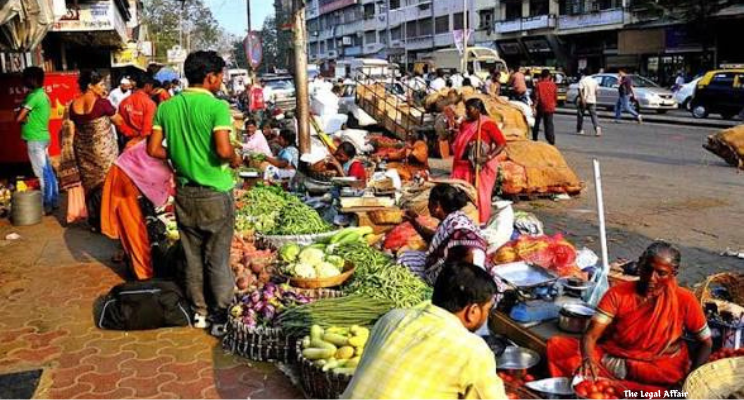
The Calcutta High Court has refused to grant interim relief to hawkers challenging their eviction from the Mangla Haat market in Howrah. The matter was heard by Justice Saugata Bhattacharya, who considered the competing claims of the hawkers’ right to livelihood and the public’s right to use roads and footpaths without obstruction.
The petition was filed after authorities initiated action to remove vendors from the bi-weekly market. The hawkers alleged that the eviction was illegal and violated their constitutional rights, while the State maintained that the action was necessary to ensure smooth traffic movement and public convenience.
Arguments of the Parties:
The petitioners argued that their families had been carrying on business at Mangla Haat for generations and that eviction without proper notice or rehabilitation violated their right to livelihood under Article 21 of the Constitution. Relying on the Supreme Court’s decision in Olga Tellis v. Bombay Municipal Corporation, they contended that street vendors are entitled to constitutional protection and cannot be removed arbitrarily. They also questioned the authority of the police to carry out the eviction without approval from the Municipality.
The State opposed the petition, submitting that the hawkers had no legal or vested right to occupy public roads. It argued that the market caused severe traffic congestion and obstructed free movement of vehicles. The State maintained that the police were empowered to remove encroachments in accordance with law to ensure public safety and maintain order.
Court’s Judgment:
The High Court declined to grant interim protection to the hawkers. During the hearing, Justice Saugata Bhattacharya observed that the Court would have to consider whether the right to livelihood of hawkers could override the public’s right to use footpaths and roads, particularly in light of recent observations made by the Supreme Court.
The Court clarified that, until the matter is finally decided, the police would be free to take action in accordance with law. It directed both parties to file their affidavits within three weeks so that the issues raised in the petition could be examined in detail at the next hearing.
The order does not decide the merits of the dispute but indicates that the Court will balance the constitutional protection available to street vendors with the larger public interest in ensuring free movement on public roads before delivering its final verdict.