


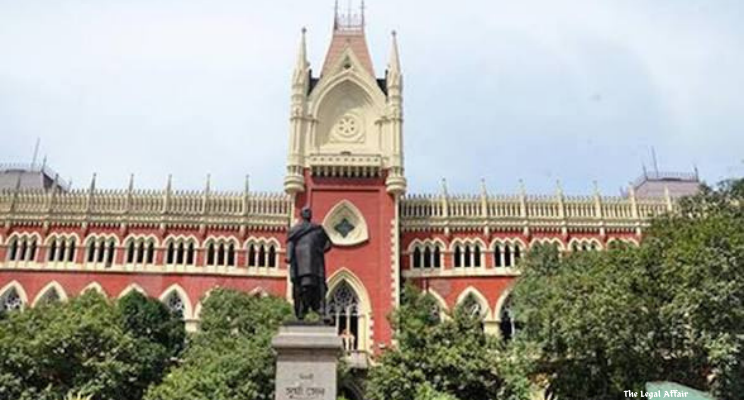
Introduction:
The Calcutta High Court has refused to grant bail to an accused alleged to have been actively involved in an ISIS-linked recruitment and radicalisation network, holding that the material collected by the investigating agency indicated conduct going substantially beyond the mere possession of extremist literature or propaganda. The Division Bench of Justice Arijit Banerjee and Justice Apurba Sinha Ray dismissed the bail appeal filed by Md. Saddam, also known as Mohammad Saddam, Saddam Mallik and Abdul Mallick, in Md. Saddam @ Mohammad Saddam @ Saddam Mallik @ Abdul Mallick v. Union of India, CRA (DB) 324 of 2025.
The appellant was accused of participating in activities intended to radicalise Muslim youths, circulate ISIS propaganda and recruit Indian nationals for militant activities in India and abroad. The prosecution case, investigated by the National Investigation Agency (NIA), relied substantially on digital and forensic material allegedly recovered from the appellant’s electronic devices. According to the investigating agency, the material included Telegram conversations, photographs and videos depicting extremist violence, as well as communications with individuals operating from foreign jurisdictions. The prosecution further alleged that the appellant was involved in discussions concerning recruitment for militant training in Afghanistan/Khorasan and attacks against identified individuals and institutions.
The appeal raised two significant questions concerning bail under the Unlawful Activities (Prevention) Act, 1967 (UAPA). The first concerned the application of the statutory restriction contained in Section 43D(5), which limits the power of courts to grant bail where the accusations against an accused appear prima facie true. The second concerned the constitutional right to a speedy trial under Article 21 of the Constitution, particularly where an accused has remained in custody for a substantial period and the trial has made limited progress.
The appellant had been in custody for more than three years and ten months. Out of the 52 witnesses cited in the charge sheet, only three had been examined. He therefore argued that continued incarceration had become unjustified and that the constitutional protection recognised by the Supreme Court in cases involving prolonged pre-trial detention should prevail over the statutory restriction on bail.
The High Court, however, found that the material placed before it disclosed allegations of active participation in extremist activities, including the alleged organisation and indoctrination of young persons. It also concluded that the delay in the progress of the trial could not, on the facts before it, be attributed to intentional inaction on the part of the prosecution. The Court consequently held that neither the merits of the allegations nor the period of custody justified granting bail at that stage.
The decision is significant because it examines the distinction between passive possession of extremist material and alleged conduct demonstrating active involvement in recruitment, radicalisation and the advancement of terrorist objectives. It also considers the circumstances in which prolonged incarceration may justify constitutional courts relaxing the statutory restrictions imposed by the UAPA.
Arguments of the Parties:
The appellant, represented by Senior Advocate Deep Chaim Kabir, challenged the refusal of bail primarily on the ground that the prosecution had not established any specific overt act demonstrating his participation in a terrorist activity. The defence maintained that the allegations were substantially founded on photographs, videos and other digital material allegedly recovered from electronic devices. According to the appellant, the recovery or possession of such material, without evidence demonstrating an intention to further the activities of a terrorist organisation, could not by itself justify continued detention under the stringent provisions of the UAPA.
Relying on the Supreme Court’s decisions in Thwaha Fasal v. Union of India and Vernon v. State of Maharashtra, the defence argued that the mere possession of literature or material associated with an extremist organisation, or an alleged association with such an organisation, would not automatically establish the commission of an offence under the UAPA. The prosecution was required to demonstrate a legally relevant connection between the material recovered and the accused’s intention or conduct in furthering the organisation’s unlawful activities.
The appellant sought to distinguish the possession of objectionable digital content from active participation in terrorism. The defence contended that there was no sufficient evidence showing that he had personally planned, organised or participated in a terrorist act. It argued that the prosecution’s reliance on electronic material could not substitute for proof of the necessary intention and conduct, particularly when the allegations were being considered at the bail stage.
The defence also questioned the manner in which the investigating agency had treated Farhan Javed, a person from whose mobile phone incriminating material was allegedly recovered. Farhan had been cited as a prosecution witness rather than arrayed as an accused. The appellant argued that if the possession of such material was being relied upon to establish involvement in extremist activities, the prosecution’s decision to treat Farhan differently required scrutiny. Since the appellant was also alleged to have received or possessed similar material, the defence sought to question the distinction drawn between the two individuals.
A substantial part of the appellant’s case concerned the length of his incarceration and the slow progress of the trial. He had remained in custody for more than three years and ten months, while only three of the 52 charge-sheeted witnesses had been examined. The charge sheet had been filed on July 4, 2023, and charges were framed on August 14, 2025. The defence argued that the limited progress thereafter demonstrated that the trial was unlikely to conclude within a reasonable period.
In support of this contention, the appellant relied on the Supreme Court’s judgment in Union of India v. K.A. Najeeb. The decision recognises that the statutory restrictions on bail under special legislation cannot operate in a manner that defeats the fundamental right to a speedy trial guaranteed by Article 21. The defence therefore maintained that even where the statutory conditions under Section 43D(5) were attracted, prolonged incarceration and the absence of a realistic prospect of an early conclusion of trial could justify the grant of bail.
On the other hand, the NIA strongly opposed the appeal, maintaining that the appellant was not merely a sympathiser or passive consumer of ISIS-related content. It alleged that he was an active operative involved in radicalising Muslim youths, circulating extremist propaganda, administering clandestine Telegram groups and attempting to recruit Indian youths for militant activities. According to the prosecution, the appellant’s role was not confined to receiving or storing digital material; he was allegedly involved in collecting, organising and encouraging young persons to participate in activities associated with Islamic extremism.
The NIA further alleged that the appellant had participated in efforts to send recruits to Afghanistan/Khorasan for terrorist training. It relied on Telegram conversations said to contain discussions about militant activities, target killings and attacks against identified persons and institutions. The prosecution also referred to conversations concerning the killing of journalists in India, contending that the communications revealed an interest in carrying out violent extremist operations.
The investigating agency placed considerable reliance on forensic extraction reports obtained from the appellant’s electronic devices. According to the NIA, these reports revealed communications through virtual phone numbers with individuals operating from Pakistan, Saudi Arabia, Syria and other foreign jurisdictions. The prosecution alleged that these communications demonstrated links with persons who were encouraging the appellant’s recruitment efforts and extremist activities.
The NIA also alleged that the appellant was connected with Abdul Rakib Qureshi for planning and coordinating extremist activities. It identified Amina Bint Munnavar, who was stated to be residing in Singapore, as a key radicaliser and administrator of ISIS-linked groups. The prosecution contended that the appellant was part of a wider network in which foreign-based individuals allegedly encouraged and supported efforts to radicalise and recruit Indian youths.
The prosecution further relied on videos and photographs recovered from the electronic devices. These materials allegedly depicted violent acts, killings, beheadings and militant training. The Court was also informed about videos containing discussions or depictions concerning plans to kill Prime Minister Narendra Modi and US President Donald Trump. The NIA argued that the nature and volume of the recovered material, considered alongside the electronic communications and witness statements, supported the allegation that the appellant was actively involved in extremist activities.
The prosecution also referred to the statement of a witness as corroborative material. It submitted that the overall evidence disclosed a prima facie case and attracted the statutory restriction under Section 43D(5) of the UAPA. It therefore argued that the appellant could not be released on bail merely because the trial had not progressed as quickly as the defence desired.
With respect to the delay, the NIA disputed the suggestion that the prosecution had deliberately prolonged the proceedings. It pointed out that the appellant had filed a discharge application after the framing of charges and had also challenged its rejection before the High Court. According to the prosecution’s position, the procedural steps taken by the appellant had contributed to the time taken for the trial to proceed. The NIA therefore maintained that the circumstances did not warrant invoking the constitutional exception recognised in K.A. Najeeb.
Court’s Judgment:
The Division Bench examined the rival submissions in the context of the statutory restrictions governing bail under the UAPA, the material collected during the investigation and the constitutional protection of a speedy trial. It ultimately held that the allegations against the appellant were supported by material indicating active involvement in extremist activities and that the delay in the trial had not been shown to result from intentional prosecutorial inaction.
At the outset, the Court considered the nature of the material relied upon by the NIA. It rejected the defence’s attempt to characterise the case as one involving only the possession of extremist literature, photographs or videos. The Bench emphasised that the allegations and the accompanying electronic material had to be considered as a whole. In its view, the prosecution case involved allegations of recruitment, radicalisation, coordination and encouragement of young persons to participate in extremist activities.
The Court noted that forensic extraction reports revealed Telegram conversations conducted through virtual numbers with persons residing outside India. These communications allegedly included discussions about recruiting Indian youths for militant and extremist purposes abroad. The Bench also referred to conversations indicating an interest in militant activities, including the killing of journalists in India. It observed that the communications suggested that the appellant was being encouraged by persons based in foreign jurisdictions.
The judgment recorded that there were materials indicating that the appellant had taken an active part in collecting, organising or instigating young persons to participate in activities described in the record as hijarat and jihad for Islamic extremism. The Court also referred to allegations that he had collected youths for participation in suicide-squad activities. These allegations, if established, were materially different from the mere possession of objectionable material.
The Bench further considered the large number of photographs and videos allegedly recovered from the appellant’s electronic devices. The material was stated to depict destructive and subversive activities, killings of helpless persons, beheaded bodies and militant training. The Court also noted the existence of videos relating to alleged plans to kill prominent political leaders, including the Prime Minister of India and the President of the United States.
The Court did not treat the recovery of such material in isolation as conclusive proof of guilt. Rather, it considered the material alongside the alleged communications, recruitment activities and witness statement to determine whether the accusations appeared prima facie true for the limited purpose of deciding bail. The Bench concluded that the prosecution material indicated conduct going beyond passive possession or ideological association.
In this context, the Court considered the judgments in Thwaha Fasal and Vernon, relied upon by the appellant. The defence had invoked these decisions to contend that mere possession of extremist literature or association with a terrorist organisation would not automatically establish an offence under the UAPA. The High Court distinguished the present case on its factual foundation. It held that the allegations here were not confined to the recovery of literature or digital content; they included specific allegations of recruiting and organising youths, communicating with foreign-based individuals and encouraging participation in militant activities.
The distinction was important to the application of Section 43D(5) of the UAPA. The provision imposes a stringent restriction on the grant of bail where, after considering the case diary or the report made under the relevant procedural provision, the Court is of the opinion that there are reasonable grounds for believing that the accusation against the accused is prima facie true. At the bail stage, the Court is not required to conduct a full trial or determine the ultimate guilt of the accused. Nevertheless, it must examine whether the material available gives rise to the statutory satisfaction contemplated by the provision.
Applying this standard, the Bench found that the forensic reports, Telegram communications and other materials disclosed a prima facie case of active participation in extremist activities. It therefore held that the statutory restriction under Section 43D(5) stood attracted. The allegations could not be reduced to the mere possession of photographs, videos or literature, as the prosecution material indicated an alleged role in recruitment and radicalisation.
The Court also examined the defence’s argument regarding Farhan Javed. The appellant had sought to draw a comparison between himself and Farhan, who allegedly possessed incriminating videos and other material on his mobile phone but had been cited as a prosecution witness. The Bench considered Farhan’s statement recorded under Section 164 of the Code of Criminal Procedure.
According to the statement referred to in the judgment, Farhan had come to his aunt’s residence in Howrah for higher secondary education and had become acquainted with the appellant while visiting a nearby mosque. The appellant allegedly appeared knowledgeable and sent Farhan incriminating materials, describing them as confidential and instructing him to maintain secrecy.
The Court considered this account relevant to understanding the alleged relationship between the two individuals. It observed that the appellant had allegedly used his proximity to Farhan to indoctrinate him with extremist ideologies. In the Court’s assessment, the appellant’s alleged conduct and Farhan’s position as a recipient of material were not equivalent. It accordingly rejected the argument for parity, holding that the two did not stand on the same footing.
The Bench then turned to the appellant’s principal submission concerning prolonged incarceration. It acknowledged the importance of the constitutional right to a speedy trial under Article 21. The Court recognised that the restrictions imposed by Section 43D(5) cannot be applied so rigidly that an accused is left in custody for an unreasonable period without a realistic prospect of the trial being concluded. Constitutional courts retain the power to grant bail where continued detention would violate fundamental rights, notwithstanding statutory restrictions.
For this proposition, the appellant had relied on Union of India v. K.A. Najeeb. In that decision, the Supreme Court recognised that prolonged incarceration and the unlikelihood of a timely conclusion of trial could justify the grant of bail even in cases governed by stringent statutory provisions. The constitutional guarantee of personal liberty cannot be rendered ineffective merely because a special statute imposes restrictive conditions for bail.
The High Court accepted the principle laid down in K.A. Najeeb, but emphasised that its application depends on the circumstances of each case. The relevant question was not simply whether the accused had spent a considerable period in custody. The Court had to assess whether the trial had reached a stage at which the statutory restrictions on bail could no longer be sustained consistently with Article 21.
In explaining this approach, the Bench considered whether the present case had reached what it described as the “melting point” at which the rigours of Section 43D(5) could yield to the constitutional right to a speedy trial. It examined the procedural history, including the filing of the charge sheet on July 4, 2023, and the framing of charges on August 14, 2025. It also noted that the appellant had thereafter filed a discharge application and challenged the rejection of that application before the High Court.
The Bench acknowledged that an accused is legally entitled to seek discharge and to challenge an adverse order. However, it observed that the filing of the discharge application had halted the examination of prosecution witnesses and contributed to the time taken for the trial to progress. The Court therefore declined to attribute the entire period of delay to the prosecution.
The judgment also referred to the Supreme Court’s decisions in Gulfisha Fatima and Tasleem Ahmed. The Bench relied on these decisions while reiterating that delay in trial cannot automatically be placed at the door of the prosecution. The circumstances responsible for the delay must be examined before concluding that continued detention has become constitutionally impermissible.
The Court further considered the nature and complexity of the prosecution case. It noted that the charge sheet cited 52 witnesses and that the case involved technical and electronic evidence. In these circumstances, the number of witnesses could not, by itself, be regarded as excessive or as demonstrating that the prosecution was deliberately delaying the proceedings. The Bench expressly observed that it found no intentional laches on the part of the prosecution to prolong the trial.
The Court’s conclusion on delay was therefore based not merely on the number of witnesses examined, but on its assessment of the procedural developments and the reasons for the limited progress of the trial. Although the appellant had remained in custody for more than three years and ten months and only three witnesses had been examined, the Bench was not persuaded that thedelay had reached the level necessary to o