


Introduction:
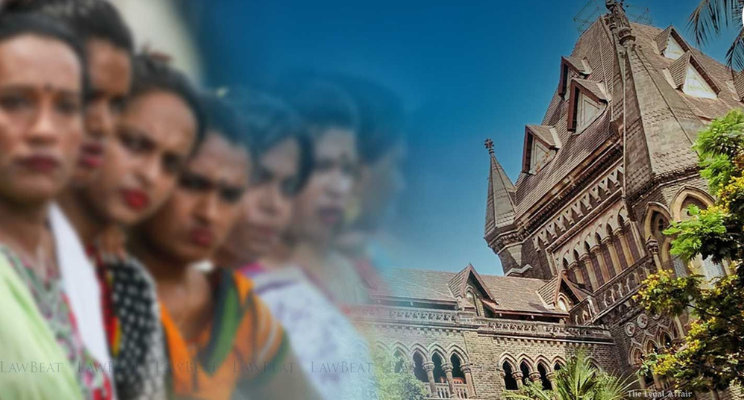
In a recent case involving four transgender persons accused of harassment at a temple, the Bombay High Court granted bail while strongly criticizing “stereotypical and generalizing” remarks made by the Sessions judge in the initial order. The accused faced allegations of demanding money, assault, and forcible disrobing. The High Court emphasized that such comments were uncalled for, emphasizing the right to dignity for transgender citizens. Despite granting bail, the court highlighted the unnecessary nature of the stereotypical observations. The case reflects a judicial stance against perpetuating stereotypes about transgender individuals.
Arguments of Both Sides:
The accused transgender persons faced charges under various sections of the IPC and the Maharashtra Police Act. The initial order by Additional Sessions Judge M B Lambe denied bail, making sweeping generalizations about transgenders, labeling them as “harassers” and “rowdy.” The High Court criticized these remarks, asserting that they were not required for bail consideration and perpetuated harmful stereotypes.
Court’s Judgement:
Justice Madhav J Jamdar of the Bombay High Court granted bail to the transgender individuals, underscoring their status as citizens entitled to dignity under Article 21 of the Constitution. The court strongly criticized the stereotypical observations made by the Sessions judge, emphasizing that such remarks were unnecessary for a bail application. The High Court’s decision promotes a more inclusive and respectful approach to judicial language, particularly concerning marginalized communities.