


Introduction:
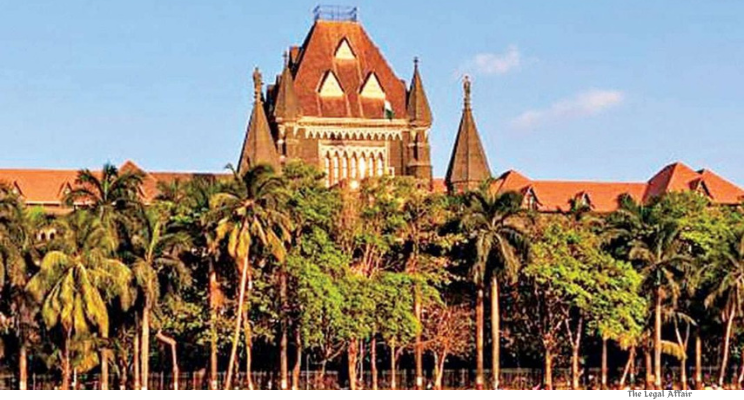
On August 22, 2024, the Bombay High Court took suo motu cognizance of a deeply troubling case involving the alleged sexual assault of two young kindergarten girls at a school in Badlapur, Thane. The court, comprising Justices Revati Mohite Dere and Prithviraj Chavan, expressed grave concern over the delay in lodging the FIR and the lapses in the preliminary investigation conducted by the Badlapur Police. The judges voiced their anguish over the fact that the assault occurred within the school premises, raising serious questions about the safety of educational institutions and the adequacy of the police response to such grave allegations. This case has highlighted significant issues regarding the handling of sexual assault cases involving minors and the urgent need for effective police sensitization and procedural adherence.
Arguments:
Petitioner’s Concerns:
The suo motu PIL was initiated by the Bombay High Court based on media reports and public outcry regarding the alleged sexual assault of two minor girls, aged 4 and 3, within a school in Badlapur. The petition raised concerns about the police’s handling of the case, including the inordinate delay in lodging the FIR and the inadequacies in the preliminary investigation. The court highlighted that such delays and procedural lapses in cases involving minors are unacceptable and undermine the legal process.
The petition underscored that the police had failed to promptly record the statements of both victims and their families. The delay in action was seen as discouraging victims and their families from reporting such incidents, potentially leading to unreported cases of abuse. The petition argued that the failure to take timely and appropriate action, including the lack of immediate registration of the FIR and delays in recording statements, reflected poorly on the police’s commitment to safeguarding the victims and ensuring justice.
The petition also raised alarm over the fact that the incident occurred within the school premises, questioning the safety measures in educational institutions and the responsibilities of school authorities in reporting such incidents. It highlighted the need for a thorough investigation and the provision of legal and psychological support to the victims and their families.
Respondent State’s Defense:
In response to the court’s concerns, Advocate General Dr. Birendra Saraf, representing the State of Maharashtra, assured the bench that an FIR had been lodged and a Special Investigation Team (SIT) had been formed to handle the case. He committed that the investigation would be pursued vigorously and that all necessary actions would be taken to ensure justice for the victims.
The Advocate General acknowledged the delay in registering the FIR and the recording of statements but emphasized that the SIT was now actively involved in the investigation. He assured the court that no stone would be left unturned and that the investigation would be conducted on a priority basis. The State’s defense focused on rectifying the procedural errors and addressing the lapses noted by the court.
Court’s Judgment:
Criticism of Police Handling:
The Bombay High Court’s bench, led by Justices Revati Mohite Dere and Prithviraj Chavan, expressed deep dissatisfaction with the handling of the case by the Badlapur Police. The court criticized the police for not fulfilling their duties effectively and for the delay in registering the FIR, which they found unacceptable, particularly in cases involving minors. The judges pointed out that the delay in lodging the FIR and making the family wait for hours were significant issues that discouraged reporting and compromised the victims’ right to prompt justice.
The court’s remarks emphasized that the police’s failure to act swiftly and sensitively in such cases could lead to further trauma for the victims and their families. The judges underscored that the primary focus should be on ensuring justice and safeguarding the victims’ rights. The court’s criticism highlighted the need for police sensitization and proper training to handle cases involving sexual assault, especially those involving young children.
Concerns About School Safety:
The court expressed its outrage over the fact that the sexual assault occurred within a school, questioning the safety protocols in educational institutions. Justice Mohite Dere’s remarks reflected the court’s concern that if schools, which are supposed to be safe environments for children, cannot protect them from such incidents, it calls into question the effectiveness of the right to education and child protection laws.
The judges emphasized that schools have a responsibility to report such incidents to the authorities promptly and to ensure that proper measures are in place to protect students. The court’s observations pointed to a broader issue of accountability for educational institutions in preventing and reporting incidents of abuse.
Call for Immediate Action:
The court’s judgment included a call for immediate action from the State to address the procedural lapses and ensure that all necessary measures were taken to support the victims. Justice Mohite Dere questioned why the statements of the second victim and her family were not recorded promptly and why no action had been taken against the school authorities for failing to report the incident.
The bench stressed the importance of providing counseling and legal assistance to the victims and their families. The court’s order emphasized that the victims’ welfare should be prioritized and that the State must take all necessary steps to ensure their safety and well-being. The judges also expressed concern that the statements of the second victim’s family were recorded only after the court intervened, reflecting a serious lapse in the investigation process.
Conclusion and Recommendations:
In its order, the Bombay High Court recorded its dissatisfaction with the delay in registering the FIR and the lack of action taken against the school authorities. The court’s decision highlighted the need for urgent reforms in the handling of sexual assault cases, particularly those involving minors, and the importance of police sensitization and procedural adherence. The judgment underscores the need for a swift and effective response to such serious allegations and the provision of appropriate support for the victims.
The court’s intervention in this case serves as a reminder of the critical role of judicial oversight in ensuring that justice is served and that the rights of victims are protected. The judgment calls for a reevaluation of police practices and school responsibilities to prevent and address incidents of abuse effectively.