


Introduction:
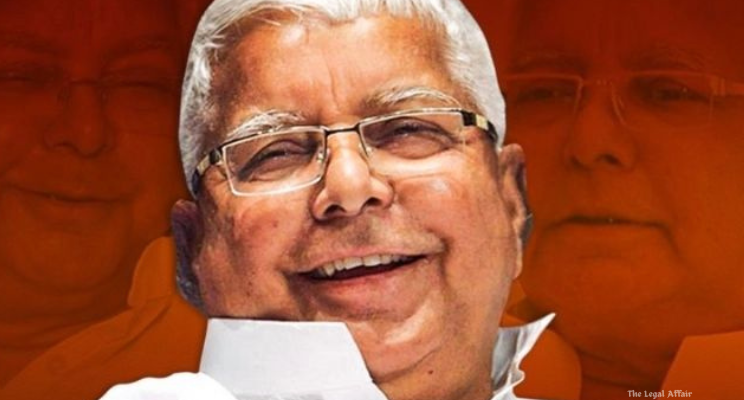
In a major development, the Delhi Court has granted bail to former Bihar Chief Minister Lalu Prasad Yadav and his sons, Tejashwi and Tej Pratap Yadav, in a money laundering case linked to the alleged “land-for-jobs” scam. Special Judge Vishal Gogne of the Rouse Avenue Court issued the bail on a personal bond of ₹1 lakh each, signifying a significant moment in the ongoing legal struggles of the Yadav family, who have been under investigation by the Enforcement Directorate (ED) for various corruption charges. The case is scheduled for further hearings on October 23 and 24.
The ED’s allegations, which have drawn widespread public attention, suggest that between 2004 and 2009, individuals were appointed to Group-D positions in the Indian Railways in exchange for land transfers to the Yadav family. This case is part of broader scrutiny surrounding the political family’s alleged misuse of power for personal gain.
Arguments of Both Sides:
The Yadav family’s defense, led by Senior Advocate Maninder Singh and supported by other prominent lawyers, challenged the validity of the ED’s claims. They argued that the evidence against their clients was insufficient and that the investigation was politically motivated, aimed at damaging the family’s reputation. The defense asserted that there was no substantial proof linking the appointments in question to illegal land transfers.
On the other hand, the ED argued that the evidence presented in the case showed clear irregularities in railway appointments, with lands transferred to Yadav family members as compensation. The agency maintained that the accusations warranted strict action, urging the court to deny bail on the grounds that the accused might tamper with evidence or influence witnesses. The ED emphasized that the seriousness of the charges, involving misuse of political power for personal gain, called for stringent oversight.
Court’s Judgment:
After hearing both sides, Judge Vishal Gogne ruled in favor of granting bail to the accused, highlighting that the presumption of innocence stands until proven guilty. The court acknowledged the gravity of the charges but noted the defense’s valid concerns regarding the sufficiency of the evidence. The judge asserted that the defendants’ rights to a fair defense should be upheld, particularly in cases where pre-trial detention is not crucial to the investigation.
The court’s decision sets a careful precedent, balancing the need for judicial prudence with the defendants’ right to liberty. While the bail was granted, the legal process remains ongoing, with hearings scheduled to continue shortly.
Conclusion:
This ruling underscores the broader implications of political accountability and the importance of safeguarding individual rights in cases of high-profile corruption allegations. As the legal proceedings continue, the case will remain a touchstone in discussions about corruption in public office and the role of the judiciary in ensuring fair trials.