


Introduction:
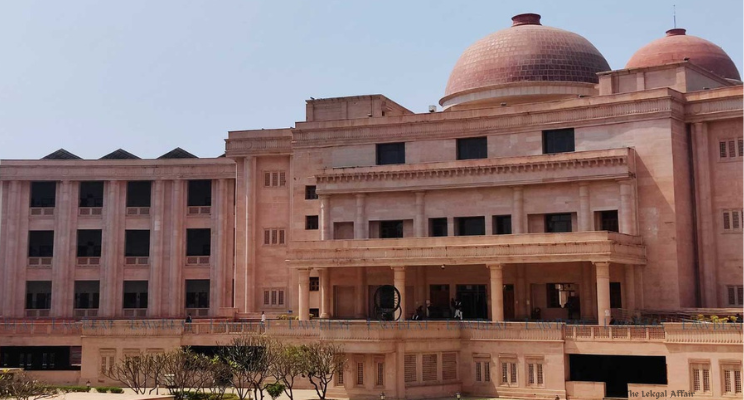
In a crucial ruling redefining anticipatory bail jurisprudence in Uttar Pradesh, the Allahabad High Court, through a bench of Justice Chandra Dhari Singh, ruled that the bar under Section 438(6) CrPC, introduced by the UP Amendment Act of 2019 restricting anticipatory bail in cases punishable with death or life imprisonment, no longer applies following the enforcement of the Bharatiya Nagarik Suraksha Sanhita, 2023 (BNSS) from July 1, 2024, as the new Section 482 BNSS, which governs anticipatory bail, omits this restriction. This decision came in the second anticipatory bail application filed by an elderly applicant implicated in a 2011 murder case arising from political rivalry during Zila Panchayat elections, where the uncle of the informant died. The applicant had initially been found innocent by the investigating officer and was not charge-sheeted, but was later summoned under Section 319 CrPC in 2019 based on testimony of a prosecution witness. His first anticipatory bail application was dismissed in February 2023 by a coordinate bench of the High Court owing to the bar in Section 438(6) CrPC, but following the repeal of the CrPC by BNSS, the applicant moved a fresh anticipatory bail plea under Section 482 BNSS. The bench framed and answered four pivotal legal questions—first, whether a second anticipatory bail plea was maintainable in light of earlier rejection under CrPC; second, whether Section 482 BNSS could retrospectively apply to offences committed before its enforcement; third, whether changed circumstances justified fresh consideration; and fourth, whether the applicant made out a prima facie case on merits.
Arguments of the Applicant and State:
Arguing for the applicant, his counsel contended that the bar under Section 438(6) CrPC, specific to UP, was absent in the newly enacted Section 482 BNSS, which clearly demonstrated the legislature’s intent to allow anticipatory bail even in cases involving heinous offences, removing the embargo that previously existed. It was submitted that the second anticipatory bail plea was under a new statutory regime—BNSS—which fundamentally altered the legal landscape and created changed circumstances justifying a fresh application. The applicant’s counsel emphasized that the first rejection was on grounds of maintainability alone, not on merits, and thus did not preclude a second plea especially given the new law. Counsel argued that the investigation initially found no role of the applicant, the FIR attributed only vague allegations, no eyewitness named him at the time, and that the postmortem findings contradicted claims of indiscriminate firing by multiple accused. It was further urged that the applicant is 78 years old, suffering from advanced lung failure and age-related ailments, and the delay of nearly 8 years before summoning him under Section 319 CrPC, along with his lack of criminal antecedents, constituted significant mitigating factors. It was also pointed out that the Supreme Court had dismissed his SLP in December 2024 purely on procedural grounds, which along with issuance of non-bailable warrants in February 2025, created fresh apprehension of arrest warranting anticipatory bail.
On behalf of the state, the Additional Government Advocate argued that the applicant was attempting to bypass the statutory bar which applied at the time of commission of the offence and during the earlier anticipatory bail proceedings. It was contended that since the offence was committed in 2011, the charge sheet was filed, and cognizance was taken prior to July 1, 2024, the BNSS provisions could not be applied retrospectively to confer a right to anticipatory bail unavailable under CrPC in UP. The state also argued that a mere change in law did not revive a right already extinguished by a judicial order rejecting anticipatory bail and that the applicant could not rely on BNSS to invalidate the legal effect of the earlier rejection. Additionally, the state insisted that Section 6 of the General Clauses Act protected the effect of earlier proceedings under repealed statutes, meaning pending or decided matters under CrPC continued unaffected by BNSS unless expressly provided otherwise. Lastly, it was submitted that the doctrine of beneficial legislation should not be misapplied to grant relief in serious offences like murder, and that the fresh plea was merely a ruse to delay surrender.
Court’s Judgment:
Addressing the first issue, the Court observed that the absence of any bar similar to Section 438(6) CrPC in Section 482 BNSS was not accidental but reflected a conscious legislative intent to remove the previously existing prohibition, especially considering the UP Amendment had specifically introduced the bar in CrPC. The Court held that omission of the embargo in BNSS could not be considered inadvertent and signaled a clear legislative departure from earlier restrictive provisions. Consequently, it ruled that the second anticipatory bail application was maintainable as it was filed under a different statutory regime enacted post the repeal of CrPC by BNSS. On the second issue, the bench referred to the High Court’s recent decision in Deepu & Ors. v. State of UP & Ors. 2024 LiveLaw (AB) 517, which clarified that applications filed after the BNSS’s commencement date were to be governed by BNSS even if the offence occurred earlier, owing to the beneficial nature of the new provisions. The Court emphasized that since anticipatory bail is a procedural remedy addressing personal liberty, the new law applied prospectively to pending proceedings, entitling the applicant to the benefit of the more liberal regime. For the third issue, the bench noted the material change in circumstances: the enactment of BNSS, the removal of the statutory bar which had formed the sole basis for rejection of the first application, the Supreme Court’s dismissal of the SLP, and issuance of NBW, all created a fresh apprehension of arrest. The Court held these factors constituted significant changes warranting reconsideration on merits. On the fourth issue, the Court examined the evidence and concluded that the investigation had exonerated the applicant, the role attributed to him was vague, the postmortem report undermined the theory of multiple shooters, and the delay of over 13 years from the date of incident to his summoning strongly supported his case. It noted that in light of his advanced age, critical health condition, lack of prior criminal record, and absence of prima facie evidence linking him directly to the crime, custodial interrogation was unnecessary. The bench concluded that denying anticipatory bail in such circumstances would amount to a grave miscarriage of justice and violate the applicant’s right to life and liberty under Article 21 of the Constitution. Accordingly, it allowed the anticipatory bail application, setting aside the orders of the Sessions Court and granting him interim protection from arrest, subject to standard conditions including cooperation with the trial, attendance as required, and no tampering with evidence or witnesses.