


Introduction:
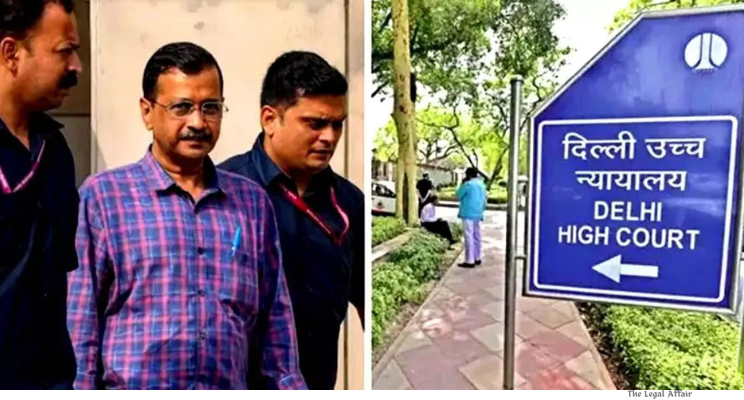
Arvind Kejriwal, the Chief Minister of Delhi, finds himself embroiled in a legal saga following his arrest by the Enforcement Directorate (ED) in connection with a money laundering case linked to the alleged liquor policy scam. Kejriwal moved a plea challenging his arrest, arguing against the validity of the evidence presented by the ED. Let’s delve into the arguments put forth by both sides and the eventual judgment delivered by the Delhi High Court.
The Arguments:
Kejriwal’s Defense: Senior Advocate Abhishek Manu Singhvi, representing Kejriwal, contested the validity of the evidence collected by the ED, alleging non-compliance with Section 50 of the Prevention of Money Laundering Act (PMLA). He further asserted that the statements made by the approvers against Kejriwal were coerced, with some having affiliations with the ruling party.
The Enforcement Directorate countered Kejriwal’s defense, labeling him as the mastermind behind the excise scam and accusing the Aam Aadmi Party (AAP) of being the primary beneficiary of the proceeds of the crime. ED asserted that Kejriwal, along with other individuals, orchestrated the conspiracy to grant extraordinary profits to certain companies involved in the liquor business.
The Court’s Verdict:
Delivering its verdict, Justice Swarana Kanta Sharma upheld Kejriwal’s arrest and subsequent remand, citing sufficient material presented by the ED, including statements from approvers and AAP candidates. The court rejected Kejriwal’s argument regarding the timing of his arrest vis-a-vis the upcoming elections, emphasizing the need to examine the arrest and remand as per legal provisions. Additionally, the court dismissed concerns regarding the veracity of approvers’ statements, asserting the sanctity of the judicial process.