


Introduction:
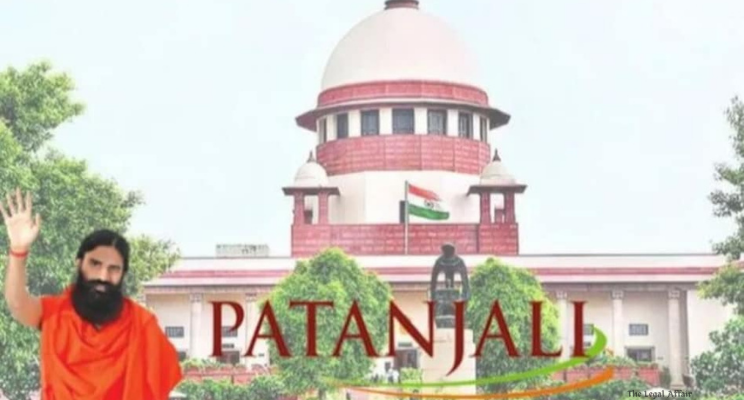
In the case of Indian Medical Association v. Union of India, the Supreme Court of India embarked on a mission to safeguard consumers from the perils of misleading advertisements, particularly in the Fast-Moving Consumer Goods (FMCGs) and drugs sector. The case highlighted concerns over advertisements that could potentially mislead consumers, jeopardizing the health of vulnerable groups like babies, school-going children, and senior citizens. The Court’s intervention aimed at ensuring the effective implementation of laws governing advertising practices, with a focus on the Drugs and Magic Remedies Act, the Drugs and Cosmetic Act, and the Consumer Protection Act.
Arguments of Both Sides:
The petitioners, represented by the Indian Medical Association, underscored the urgent need for stringent measures to curb misleading advertisements, especially those related to medicinal products. They argued that such advertisements could have detrimental effects on public health, as consumers, including vulnerable groups, might be influenced to purchase products based on false claims. The petitioners called for the scrutiny of not only the respondents directly involved but also all FMCGs and drugs companies engaging in deceptive advertising practices.
On the other hand, the respondents, including Patanjali Ayurved and other similarly situated entities, defended their advertising strategies, emphasizing their compliance with existing regulations. They contended that their advertisements were aimed at promoting their products’ benefits and were not intended to mislead consumers. However, they also acknowledged the importance of ensuring transparency and accuracy in advertising practices to maintain consumer trust and uphold public health standards.
Court’s Judgement:
The Supreme Court, led by Justices Hima Kohli and Ahsanuddin Amanullah, delivered a landmark verdict affirming its commitment to protecting consumers’ rights and health. The Court clarified that its intervention was not aimed at targeting specific parties but rather at addressing systemic issues affecting the larger public interest. It stressed the need for a thorough examination of the implementation of relevant laws and regulations governing advertising practices, particularly concerning medicinal products.
The Court’s decision to implead key ministries, including the Ministry of Information and Broadcasting, Ministry of Information Technology, and Ministry of Consumer Affairs, signaled its intent to comprehensively assess the steps taken to prevent the abuse of advertising laws. By expanding the scope of scrutiny to encompass electronic media advertisements and the role of government agencies, the Court demonstrated its proactive approach to tackling the challenges posed by misleading advertising practices.