


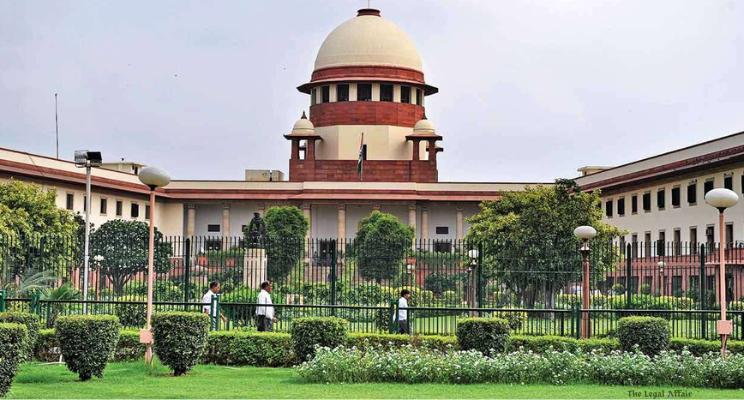
Introduction:
In a recent judgment, the Supreme Court invoked its extraordinary powers under Article 136 of the Constitution to reverse an acquittal and reinstate a conviction in the case of State of Punjab v. Gurpreet Singh & Ors. The Bench, comprising Justices Surya Kant and KV Viswanathan, emphasized that while Article 136 does not routinely permit interference with orders of acquittal, the court is duty-bound to intervene if an erroneous or perverse approach would result in a significant miscarriage of justice.
Arguments of Both Sides:
The respondent, Gurpreet Singh, argued against the Supreme Court’s interference, contending that the case did not fall within the exceptional category warranting such intervention. The defense asserted that the High Court’s well-reasoned order of acquittal should stand. However, the prosecution, represented by counsels Mr. Gaurav Dhama and Ms. Rooh-e-hina Dua, argued that the High Court’s approach was perverse, rooted in suspicion and surmises, thus justifying the Supreme Court’s intervention.
Court’s Judgement:
Justice Surya Kant, authoring the judgment, underscored that Article 136 intervention is warranted when the High Court’s reasoning is deemed perverse. The Supreme Court found it difficult to concur with the High Court’s reasoning, emphasizing that familial witnesses, in this case, were not incidental but the most natural, and the absence of neighbors as witnesses was illogical due to the nature of the incident. The Court set aside the acquittal, stating that sustaining it would be a travesty of justice, and reinstated the Trial Court’s conviction of Gurpreet Singh.