


Introduction:
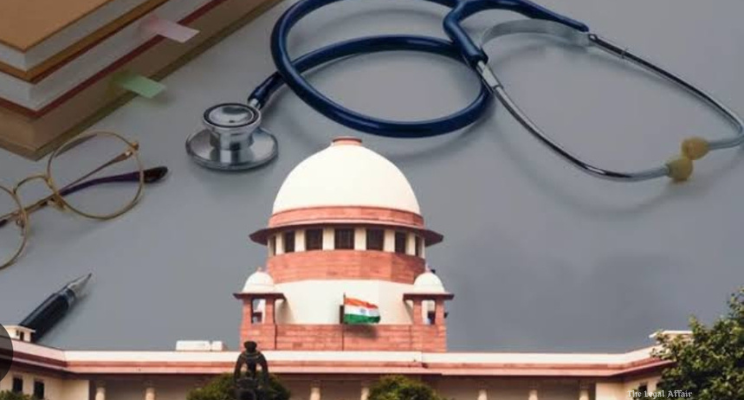
In a crucial decision, the Supreme Court of India has upheld the validity of the NEET-UG exam held on May 5, 2024, despite allegations of paper leak and malpractices. The Court, led by Chief Justice DY Chandrachud and Justices JB Pardiwala and Manoj Misra, emphasized that cancelling an examination is justified only when its integrity is compromised at a systemic level, making it impossible to differentiate between tainted and untainted candidates.
Arguments of Both Sides:
For the Petitioners: The petitioners contended that the NEET-UG 2024 examination was tainted by serious malpractices, including the alleged leak of the question paper. They argued that the widespread nature of the malpractice warranted the cancellation of the exam to ensure fairness and maintain the integrity of the admission process. The petitioners highlighted several issues, including the inflation of marks, the reopening of the registration window, and the change of city options, which they claimed indicated systemic problems. They asserted that the material evidence suggested that a fresh examination was necessary to address the extent of the alleged malpractices.
For the Respondents (Union of India): The respondents, including the Union of India, argued that the allegations of malpractice, while serious, did not substantiate a systemic compromise of the examination’s integrity. They maintained that there was no substantial evidence indicating that the paper leak affected a large proportion of the candidates. The respondents emphasized that the data did not reveal widespread dissemination of the question paper or sophisticated cheating methods. They argued that it was possible to identify and separate the candidates who benefited from the alleged malpractice, thereby negating the need for a re-examination.
Court’s Judgment:
The Supreme Court, in its judgment, outlined the criteria for cancelling an examination based on allegations of malpractice. The Court referred to the principle that an exam should only be cancelled if the sanctity of the process is compromised at a systemic level. The factors considered included:
- Proportionality of Re-examination: Whether conducting a fresh examination would be a proportionate response to the nature of the grievance and the extent to which the exam’s integrity was compromised.
- Extent of Malpractice: The number or proportion of candidates involved in malpractice and whether the impact of such malpractice was significant.
- Separation of Candidates: The possibility of distinguishing between those who engaged in malpractice and those who did not.
- Substantiation of Allegations: Whether the allegations of malpractice were supported by sufficient material evidence.
The Court found that the material on record did not support the claim of widespread malpractice affecting the systemic integrity of the NEET-UG 2024 exam. The evidence showed that while there were instances of malpractice in specific locations, such as Hazaribagh and Patna, these did not indicate a broad, systemic issue. The Court noted that the number of affected students was identifiable and separable, and there was no evidence of extensive dissemination of the question paper or sophisticated cheating methods.
Thus, the Supreme Court concluded that the allegations did not warrant the cancellation of the examination. The Court’s decision was based on the assessment that the integrity of the exam had not been compromised to a degree that would necessitate a re-examination.
Conclusion:
The Supreme Court’s decision to uphold the NEET-UG exam underscores the importance of ensuring that cancellation of exams is reserved for cases where systemic integrity is compromised. The Court’s analysis focused on proportionality and the ability to separate affected candidates, emphasizing that a fair examination process must be preserved while addressing valid concerns of malpractice. This judgment reaffirms the need for evidence of widespread issues before considering drastic measures like re-examinations.