


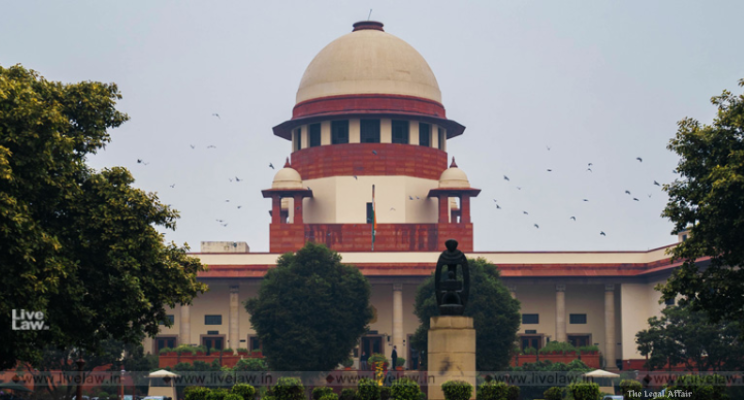
Introduction:
In the case of Pramila Devi & Ors. v. The State of Jharkhand & Anr., the Supreme Court of India dealt with an appeal challenging the Jharkhand High Court’s decision that had interfered with the trial court’s cognisance order. The appeal was based on the assertion that the magistrate’s order of cognisance did not provide explicit reasons for taking cognisance of the police report. The Supreme Court bench, comprising Justices Sudhanshu Dhulia and Ahsanuddin Amanullah, clarified the legal position regarding the requirement of reasoning in a magistrate’s order for cognisance. The Court referred to previous rulings, including Bhushan Kumar v. State (NCT of Delhi) (2012) and State of Gujarat v. Afroz Mohammed Hasanfatta (2019), which emphasised that a magistrate is not required to provide explicit reasons while taking cognisance. The Court observed that it is sufficient for the magistrate to form an opinion based on the materials before them, such as the case diary, and that the order of cognisance does not require detailed reasoning. The Court reiterated that a reasoned order is not mandatory at the cognisance stage, but the magistrate must ensure that the case materials establish a prima facie case. The bench ultimately set aside the Jharkhand High Court’s decision, affirming the trial court’s order.
Judgement:
The Supreme Court emphasised that the magistrate must apply their mind to the allegations and materials, ensuring that a prima facie case exists before proceeding with the trial. The Court also made it clear that the process of issuing a summons under Section 204 of the Criminal Procedure Code does not necessitate a detailed reasoning process at the cognisance stage. The decision reaffirmed the principle that procedural fairness does not mandate an explicit reasoning in cognisance orders as long as the magistrate’s decision is based on sufficient material and has been made after due consideration.
In conclusion, the Supreme Court’s decision in this case highlights the judicial emphasis on procedural efficiency in criminal cases and clarifies the role of the magistrate in taking cognisance based on available case records, including police reports and diaries. The ruling strengthens the understanding that an order of cognisance can be upheld even without a detailed explanation, provided the magistrate has applied their mind to the available materials and found that a prima facie case exists.