


Introduction:
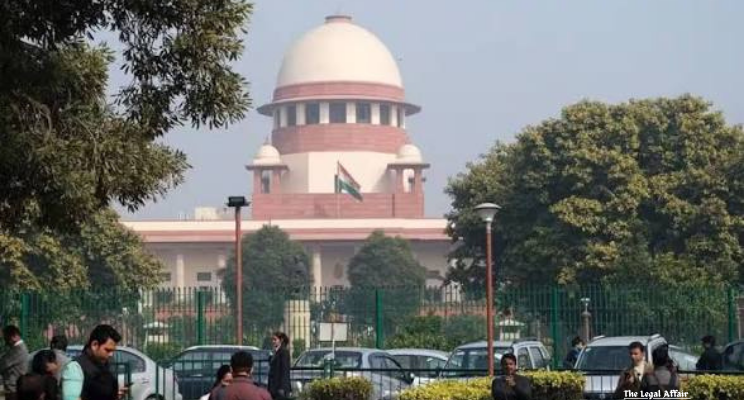
The Supreme Court of India has reaffirmed that the constitutional guarantee of a fair trial cannot be compromised, even in cases involving grave offences and severe punishments. In Abdul Hameed v. State of Rajasthan (Criminal Appeal Nos. 1827-1829 of 2019), a three-judge Bench comprising Justice Vikram Nath, Justice Sanjay Karol and Justice Sandeep Mehta set aside the conviction and death sentence imposed on Dr. Abdul Hameed in connection with the 1996 Samleti Bus Bomb Blast case. The Court held that the proceedings against him stood vitiated due to ineffective legal representation, which struck at the root of a fair criminal trial guaranteed under Articles 21 and 22 of the Constitution.
The case arose from a tragic incident that occurred in 1996 when an Improvised Explosive Device (IED) exploded inside a passenger bus travelling from Agra to Bikaner near Samleti village in Rajasthan. The explosion claimed the lives of fourteen passengers and left thirty-seven others injured, making it one of the most serious terror-related incidents of that period. Following an extensive investigation, several persons were prosecuted for their alleged involvement in the conspiracy and execution of the blast.
After trial, Dr. Abdul Hameed was convicted and sentenced to death. His conviction and sentence were subsequently affirmed by the Rajasthan High Court in 2019. Other accused persons faced varying outcomes during the proceedings, with some being acquitted while others challenged different aspects of the judgment. Aggrieved by the High Court’s decision, Dr. Abdul Hameed approached the Supreme Court questioning not merely the appreciation of evidence but also the fairness of the criminal proceedings themselves.
The principal issue before the Supreme Court was whether the accused had received meaningful legal assistance during the trial. The Court was called upon to determine whether ineffective representation by defence counsel had deprived the accused of a fair opportunity to defend himself and whether such deficiency justified setting aside a conviction carrying the ultimate punishment of death.
Arguments of the Parties:
Dr. Abdul Hameed contended that the trial suffered from serious procedural irregularities that violated his constitutional right to a fair trial. It was argued that he was not provided effective legal assistance during the proceedings and that his defence was conducted in a manner that failed to adequately challenge the prosecution’s evidence. According to the appellant, important witnesses were not effectively cross-examined, material inconsistencies remained unexplored and significant aspects of the prosecution’s case went virtually uncontested.
The appellant submitted that the right to legal representation is not confined to the mere appointment of a lawyer. Rather, it encompasses the right to competent and effective assistance capable of meaningfully defending the accused against criminal charges. Since the case involved capital punishment, the duty of the court to ensure proper legal representation became even more stringent. It was argued that the deficiencies in the conduct of the defence had caused irreversible prejudice, rendering the conviction legally unsustainable.
The appellant also urged the Court to recognise that the fairness of a criminal trial constitutes the foundation of the criminal justice system. Where the proceedings themselves are fundamentally unfair, the resulting conviction cannot be permitted to stand irrespective of the seriousness of the allegations. Accordingly, he sought the setting aside of both the conviction and the death sentence.
The State of Rajasthan opposed the appeal and supported the findings recorded by the trial court and affirmed by the High Court. It submitted that the prosecution had successfully established the guilt of the accused through evidence adduced during the trial. According to the State, the conviction was based upon judicial appreciation of the material available on record and did not warrant interference merely because the accused subsequently questioned the quality of his legal representation.
The State further argued that the offence was of an exceptionally grave nature involving the death of innocent civilians and injuries to numerous passengers. Given the magnitude of the crime, it was submitted that the conviction and sentence deserved to be sustained. The prosecution also challenged the acquittal of certain co-accused, namely Javed Khan and Abdul Goni, and opposed the grant of permanent parole to another accused, Pappu alias Salim.
Court’s Judgment:
The Supreme Court allowed the appeal filed by Dr. Abdul Hameed to the extent of setting aside his conviction and death sentence. The Bench held that the criminal proceedings were vitiated because the accused had not received effective legal assistance, thereby violating the constitutional guarantee of a fair trial.
The Court emphasised that the right to legal representation is an inseparable component of the right to life and personal liberty guaranteed under Article 21 of the Constitution. The constitutional promise of a fair trial extends beyond the formal appointment of counsel and requires that the accused receive genuine, meaningful and competent legal assistance throughout the proceedings. This obligation becomes even more critical where the accused faces the possibility of capital punishment.
The Bench observed that ineffective legal representation can seriously impair the ability of an accused to challenge the prosecution’s case and thereby undermine the integrity of the entire criminal process. A conviction resulting from such a defective trial cannot be regarded as legally sustainable, irrespective of the seriousness of the allegations or the gravity of the offence.
Recognising the fundamental nature of the violation, the Supreme Court declined to merely modify the sentence or remand limited issues for reconsideration. Instead, it concluded that the interests of justice required an entirely fresh adjudication. Accordingly, the Court set aside the Rajasthan High Court’s 2019 judgment insofar as it affirmed the conviction and death sentence of Dr. Abdul Hameed and directed that he be tried afresh through a de novo trial.
At the same time, the Bench made it abundantly clear that its observations were confined exclusively to the fairness of the trial and not to the merits of the prosecution case. The Court specifically directed that the fresh trial court should independently evaluate all evidence produced before it without being influenced by any findings recorded in the Supreme Court judgment. This direction was intended to preserve the impartiality and independence of the retrial while ensuring that both the prosecution and the defence receive an equal opportunity to present their respective cases.
Considering that nearly thirty years have elapsed since the 1996 blast, the Supreme Court expressed concern over further delay in concluding the proceedings. To ensure expeditious disposal, the Court requested the Rajasthan High Court to designate a Special Fast Track Court for conducting the de novo trial. It directed that the court should be presided over by a judicial officer possessing at least seven years’ experience in conducting Sessions trials. The trial court was further requested to make every endeavour to conclude the retrial within one year.
The Bench also disposed of the connected appeals involving the remaining accused. It upheld the acquittal of Javed Khan and Abdul Goni by dismissing the State’s appeals challenging their acquittal. Likewise, the Court acquitted Pappu alias Salim and rejected the State’s challenge to the grant of his permanent parole.
The judgment reinforces an important constitutional principle that procedural fairness is as indispensable as substantive justice. Even where allegations involve acts of terrorism resulting in multiple deaths, the courts cannot overlook violations affecting the fairness of the trial. Criminal convictions, particularly those resulting in the death penalty, must emerge from proceedings that strictly comply with constitutional safeguards and the principles of natural justice.
The Supreme Court’s decision serves as a significant reminder that the legitimacy of the criminal justice system depends not only upon punishing offenders but also upon ensuring that convictions are obtained through fair, impartial and legally sound procedures. By directing a fresh trial rather than affirming a conviction recorded through an unfair process, the Court reaffirmed that constitutional guarantees remain paramount irrespective of the nature of the offence. The ultimate determination of Dr. Abdul Hameed’s guilt or innocence will now be made afresh by the designated Special Court on the basis of evidence presented before it, uninfluenced by earlier findings.