


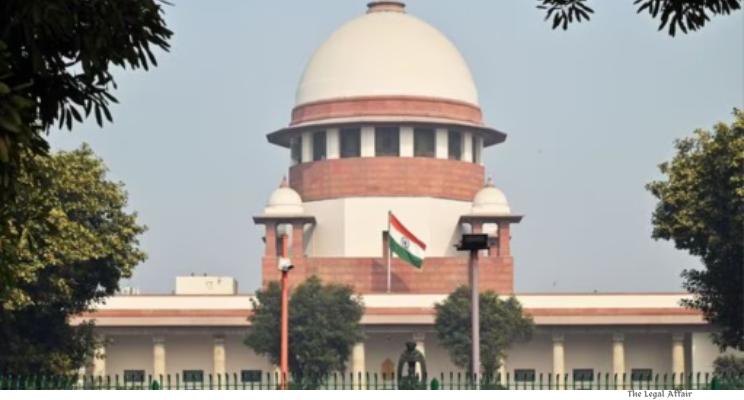
Introduction:
In a significant move aimed at enhancing the standards and functioning of Bar Associations across the country, the Supreme Court has called upon the Bar Council of India, state Bar Councils, the Supreme Court Bar Association, the Supreme Court Advocates-on-Record Association (SCAORA), and High Court Bar Associations to provide their suggestions. The bench, comprising Justice Surya Kant and Justice Dipankar Datta, is considering laying down comprehensive guidelines to bolster these institutions. The case at hand, titled “A. Mohandoss v. Registrar General,” has been renamed “In Re: Strengthening of the Institution of Bar Associations.” The Supreme Court’s initiative comes in the wake of growing concerns over the quality of legal education, the politicization of Bar bodies, and the overall professional standards within the legal fraternity.
Arguments:
The petitioner, A. Mohandoss, highlighted several critical issues plaguing the Bar Associations and the legal profession in India. These include the subpar quality of the All-India Bar Examination (AIBE), the influx of law graduates with inadequate training, and the pervasive politicization within Bar bodies. Mohandoss argued that these issues collectively undermine the integrity and effectiveness of the legal profession. He called for stricter regulation of law colleges and more stringent criteria for admission to Bar Councils, emphasizing the need for enhanced practical training for law graduates before they are allowed to practice in higher courts or join the judiciary. Mohandoss also suggested implementing measures to depoliticize Bar Associations, ensuring they remain focused on their primary role of supporting legal professionals and upholding justice.
The respondents, represented by senior advocates and the Bar Council of India, acknowledged the validity of some concerns raised by the petitioner but argued against sweeping reforms without careful consideration. They contended that the existing framework, though imperfect, has mechanisms for self-regulation and improvement. The respondents emphasized the need for a balanced approach that addresses specific issues without undermining the autonomy of Bar Associations. The Bar Council of India highlighted ongoing efforts to enhance the quality of legal education and examinations. They pointed out recent initiatives aimed at accrediting law colleges and improving the AIBE. The respondents also defended the role of Bar Associations in providing a democratic platform for lawyers, arguing that some level of political activity is inevitable and can be managed through better governance and oversight.
Court’s Observations and Judgment:
Justice Surya Kant and Justice Dipankar Datta, during the proceedings, expressed deep concern over several issues affecting the Bar Associations and the legal profession at large. They underscored the need for substantial reforms to enhance the quality of legal education, improve professional standards, and depoliticize Bar Associations.
- Issues of AIBE and Legal Education
Justice Surya Kant criticized the low standards of the All-India Bar Examination, comparing it to a matriculation-level exam driven by the popularity and vote-seeking motives of Bar Council members. He called for significant remedial measures to elevate the examination standards and ensure it genuinely assesses the competence of aspiring lawyers. Justice Kant also highlighted the proliferation of law colleges lacking adequate faculty and resources, resulting in a large number of poorly trained law graduates entering the profession. He stressed the responsibility of the Bar Council in regulating these institutions and ensuring they meet the necessary educational standards.
- Minimum Practice Requirement
One of the critical suggestions discussed was the imposition of a minimum practice period before lawyers are admitted to practice in High Courts or the Supreme Court. Justice Kant pointed out that the absence of such a requirement has led to numerous malpractices and a decline in professional standards. He argued that practical experience is crucial for lawyers to become proficient professionals capable of handling complex cases in higher courts.
- Politics within Bar Bodies
Justice Dipankar Datta raised the issue of politicization within Bar Associations, describing it as a significant challenge. He called for solutions to eliminate politics from these associations, emphasizing that lawyers, as officers of the court, should focus on assisting in the dispensation of justice rather than engaging in political activities. Justice Datta stressed the need for Bar Associations to maintain their integrity and avoid being swayed by political motives.
- Judicial Training and Experience
Justice Kant highlighted the problems arising from the elimination of the requirement for two years of practice before joining the judiciary. He noted that fresh law graduates becoming judicial officers often face embarrassing situations in district courts due to their lack of practical experience. Despite training, many officers struggle with courtroom conduct and procedures. Justice Kant stressed the importance of practical experience in drafting legal documents and conducting examinations in court to ensure judicial officers are well-prepared for their roles.
- Senior Advocates’ Suggestions
Senior Advocate Arvind Datar suggested that instead of limiting the number of law colleges, a more effective solution could be conducting a rigorous Bar exam with external examiners for entry to the Bar, similar to Bar exams in the US. This approach, he argued, would ensure only competent and well-trained individuals are allowed to practice law, thereby improving the overall quality of the legal profession.
The Supreme Court’s call for suggestions from various Bar Councils and Associations marks a significant step towards addressing the numerous challenges facing the legal profession in India. By seeking input from stakeholders and considering comprehensive guidelines, the court aims to enhance the standards and functioning of Bar Associations, ensuring they better serve the interests of justice and uphold the dignity of the legal profession.