


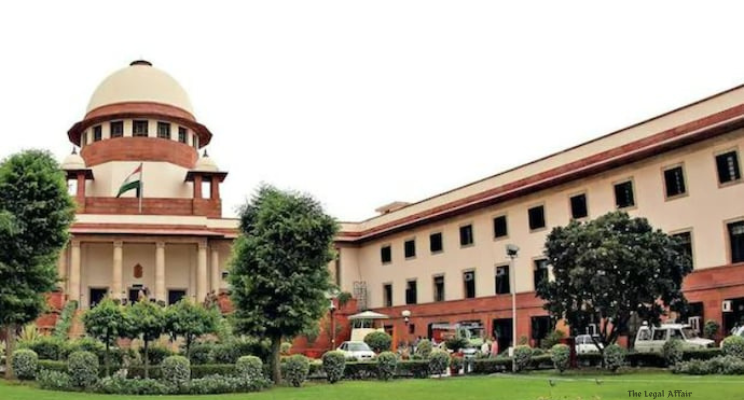
Introduction:
The Supreme Court of India recently ruled in a dispute over the recruitment of Laboratory Attendants in the Punjab School Education Board (PSEB). The case highlighted concerns over irregularities in the shortlisting process for interviews. Led by Sukhmander Singh, the appellants challenged the PSEB’s decision to call a disproportionately large number of candidates—63 times the available vacancies—for interviews. The Division Bench of the High Court upheld this decision, prompting the appellants to seek the Supreme Court’s intervention. The Court, composed of Justices Hrishikesh Roy, Sudhanshu Dhulia, and SVN Bhatti, ordered a fresh selection process, emphasizing fairness and transparency in public recruitment.
Background:
The dispute arose from a 2011 recruitment notification issued by PSEB to fill 31 vacancies for Laboratory Attendants. A total of 4,752 candidates applied, and after a written test, 1,952 candidates were shortlisted for the interview stage. Unsuccessful candidates raised concerns about the transparency of the shortlisting criteria, leading to legal battles. The Supreme Court’s decision to reset the process from the written test stage addresses key issues surrounding meritocracy and procedural fairness in public employment.
Appellants’ Arguments:
Senior Advocate Sanjoy Ghosh, representing the appellants, highlighted several flaws in the recruitment process:
- Lack of Transparency and Justification: The appellants contended that PSEB did not provide any rationale for shortlisting candidates based on a 33% eligibility cut-off, which was introduced midway through the process. No official records were available to justify the shortlisting decision, raising concerns about fairness.
- Excessive Number of Candidates for Interview: The appellants argued that inviting 1,952 candidates for 31 vacancies diluted the merit-based selection process, giving poorly performing candidates undue opportunities.
- Manipulation in Selection: The appellants alleged that qualified candidates with strong written test scores were excluded, while others barely meeting the cut-off were allowed to proceed, violating equal opportunity principles.
- Support from Single Judge: The appellants noted that a Single Judge of the High Court had initially ruled in their favor, calling for a fresh selection process starting from the written test, a decision overturned by the Division Bench.
The appellants requested that the Supreme Court restore the Single Judge’s ruling and limit interview candidates to five times the number of vacancies.
Respondents’ Arguments:
Advocate Avishkar Singhvi, representing PSEB, defended the recruitment process and presented the following counterarguments:
- Justification of Division Bench’s Decision: The respondents maintained that the Division Bench correctly upheld PSEB’s process. They argued that inviting 63 times the number of vacancies was unusual but not illegal.
- Discretion in Shortlisting: They argued that the board had the discretion to decide the number of candidates for interviews and that a larger pool provided broader competition.
- Meritocracy Not Compromised: The respondents stated that the overall selection process, including interviews, ensured the best candidates would be chosen. Restarting the process would cause unnecessary delays.
- Emphasis on Interviews: The respondents emphasized that the written test was only one part of the selection, with interviews serving as an additional evaluation stage.
Court’s Judgment:
The Supreme Court ruled in favor of the appellants, emphasizing fairness, transparency, and meritocracy. Key points from the judgment include:
- Irregularities in Shortlisting Criteria: The Court found the 33% eligibility cut-off arbitrary and lacking transparency, with no records justifying the decision.
- Excessive Number of Candidates: The Court held that shortlisting 1,952 candidates for 31 vacancies undermined the merit-based process and allowed poorly performing candidates to advance unfairly.
- Limiting Candidates for Interview: The Court ordered that only candidates up to five times the number of vacancies should be shortlisted for interviews to ensure a balanced evaluation.
- Balanced Evaluation System: The Court introduced a new evaluation system with marks distributed as follows: 50 for the written test, 20 for the interview, 15 for practical knowledge, 10 for academic qualifications, and 5 for experience.
- Fresh Selection Process: The Supreme Court ordered a fresh selection process starting from the written test, to be completed within eight weeks. The Court also directed the preparation of a waiting list of 10 candidates for any unfilled posts.
Conclusion:
The Supreme Court’s judgment, setting aside the High Court’s Division Bench decision and affirming the Single Judge’s ruling, established a critical precedent for ensuring fairness and transparency in public recruitment processes, particularly in shortlisting candidates for interviews.