


Introduction:
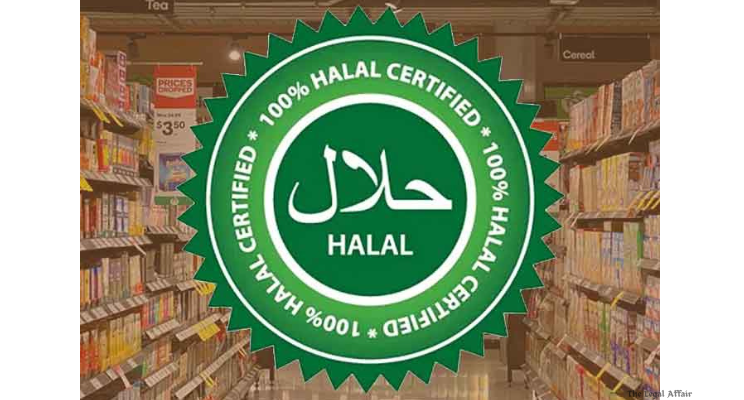
The Supreme Court recently issued notice in two petitions challenging the Uttar Pradesh government’s ban on the manufacture, sale, storage, and distribution of halal-certified products. The ban, implemented on November 18, triggered controversy and police raids on halal products across the state. Halal India Private Limited and Jamiat Ulama-e-Maharashtra contended that the ban violated fundamental rights, disrupted trade practices, and targeted certifications based on religious beliefs.
Arguments:
Senior Advocate Siddharth Agarwal, representing Halal India, highlighted the nationwide implications of the halal ban on inter-state trade and commerce. He emphasized criminal liabilities faced by entities conducting halal certification since 2009 and underscored the disparate treatment compared to certifications of other religions.
Senior Advocate Raju Ramachandran, representing Jamiat Ulama-e-Maharashtra, echoed these arguments, focusing on the ban’s impact on freedom of religion and national implications.
Court’s Judgement:
Initially hesitant, the Supreme Court bench led by Justices BR Gavai and Sandeep Mehta issued notice in response to the petitions. The Court granted a two-week returnable period for the respondents to respond and permitted hand-delivery of the notice.
However, the bench refrained from granting a stay on coercive steps under the government notification, reserving the decision on this aspect for future consideration.