


Introduction:
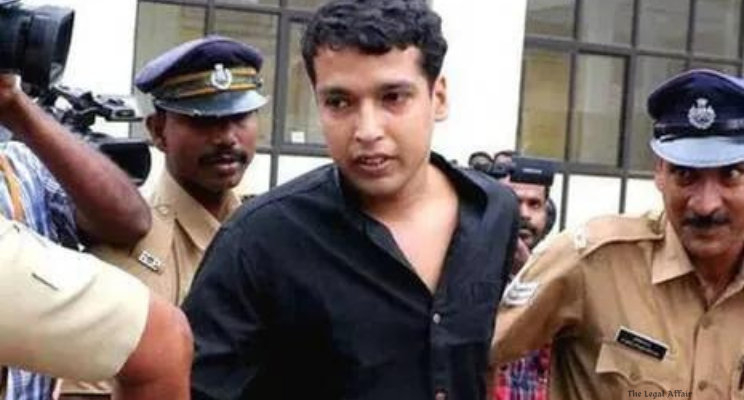
On September 17, 2024, the Supreme Court of India granted bail to Sunil NS, popularly known as Pulsar Suni, who is the primary accused in the high-profile 2017 actress sexual assault case. This decision came after considering his extended period of incarceration—over seven and a half years—and the protracted progress of the trial. The Court’s bench, comprising Justice Abhay S Oka and Justice Pankaj Mithal, acknowledged that 268 prosecution witnesses had already been examined, and with nine accused in the case, the trial was anticipated to take a considerable amount of time to conclude. The Court noted that all other co-accused had already been granted bail, and it was reasonable to extend similar relief to Suni, given the trial’s slow pace and his prolonged detention.
Arguments of both Sides:
The arguments presented by the defense highlighted the undue delay in the trial and the extensive time Suni had spent in custody, emphasizing that continued incarceration without trial completion constituted a violation of his rights. The defense underscored that all co-accused had been granted bail, making Suni’s prolonged detention increasingly unjust. On the other hand, the prosecution contended that the severity of the charges and the ongoing nature of the trial warranted continued detention. They argued that the complexities of the case, which included numerous witnesses and extensive evidence, justified the need for Suni’s continued custody.
Judgment:
The Supreme Court, after reviewing the case, observed that despite the complexities and voluminous nature of the trial, the prolonged incarceration and the significant delays in the legal process justified granting bail to Suni. The Court directed that he be presented before the trial court within a week to finalize bail conditions, with the State’s input on the terms. Although the Court criticized the Kerala High Court for imposing a fine on Suni for his repeated bail applications, it chose not to interfere with the Rs. 25,000 fine, which would be allocated to the Kerala Legal Services Authority.
In summary, the Supreme Court’s decision to grant bail to Pulsar Suni highlights the judiciary’s recognition of the balance between ensuring justice for victims and protecting the rights of the accused. This move reflects the Court’s sensitivity to the issues of prolonged detention and trial delays, reaffirming the principle that justice delayed is justice denied.