


Introduction:
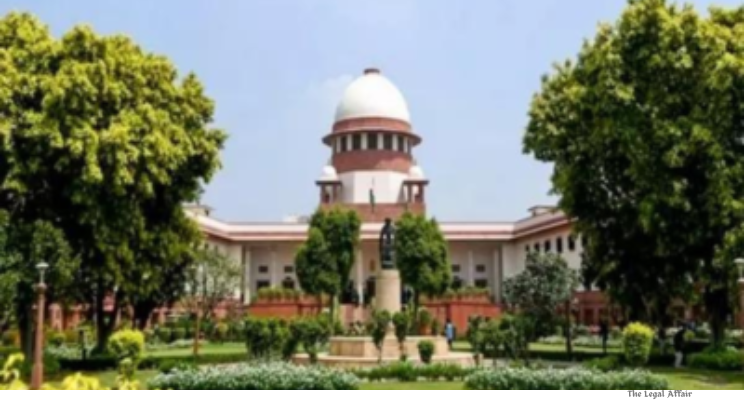
In a recent decision, the Supreme Court of India dismissed a Public Interest Litigation (PIL) that sought to challenge the constitutional validity of several significant provisions of the Indian Constitution. The petition, filed by Dr. S.N. Kundra, questioned the legitimacy of various articles related to the President of India, Parliament’s authority to amend the Constitution, and the oath of office for ministers and the armed forces, among other matters. Dr. Kundra also contested Section 149 of the newly enacted Bhartiya Nyaya Sanhita (BNS), which penalizes the act of collecting arms with the intent of waging war against the Government of India. However, the bench of Justices Hrishikesh Roy and S.V.N. Bhatti found no merit in the petition and dismissed it, imposing a cost of Rs. 10,000 on the petitioner.
Arguments Presented by the Petitioner:
Dr. S.N. Kundra, appearing in person, raised several objections to the constitutionality of key provisions in the Indian Constitution. His arguments included the following points:
- Articles 52 and 53: Dr. Kundra questioned the necessity of having a President and the concentration of executive power in the hands of one individual. He argued that these provisions centralize authority and conflict with the democratic principles enshrined in the Constitution.
- Articles 75(4), 164(3), and 77: The petitioner contended that the requirement for Union and State Ministers to take an oath of office administered by the President or the Governor was unnecessary and redundant, infringing on the independence of the ministers.
- Articles 102(2) and 191(2): These articles disqualify Members of Parliament (MPs) and Members of Legislative Assemblies (MLAs) under the Tenth Schedule, commonly known as the Anti-Defection Law. Dr. Kundra argued that these provisions are undemocratic and curtail the freedom of speech and action of elected representatives.
- Article 246: This article defines the scope of legislative powers between Parliament and State Legislatures. The petitioner claimed that this division of power leads to conflicts and inefficiencies in governance, suggesting a more unified legislative approach.
- Article 361: The petitioner challenged the immunity granted to the President, Governors, and Rajpramukhs under this article, arguing that it places these officials above the law, contrary to the principle of equality before the law.
- Article 368: Dr. Kundra questioned Parliament’s power to amend the Constitution, arguing that it allows for arbitrary changes that could potentially alter the basic structure of the Constitution.
- Section 149 of the Bhartiya Nyaya Sanhita: The petitioner argued that this section, which penalizes the collection of arms intended for waging war against the Government, is overly broad and could be misused to suppress legitimate dissent and protest.
- Oath Taken by Armed Forces: Dr. Kundra contended that the oath taken by members of the armed forces, which binds them to serve the government, could potentially conflict with their duty to the Constitution and the people of India.
Arguments Presented by the Respondents:
The Union of India, represented by its legal team, countered the petitioner’s arguments by defending the constitutionality and necessity of the challenged provisions. The respondents argued:
- Articles 52 and 53: The existence of the President as the head of state and the allocation of executive power to this office are fundamental to the constitutional structure of India. These provisions ensure a clear demarcation of powers and responsibilities within the government.
- Articles 75(4), 164(3), and 77: The requirement for ministers to take an oath of office is a ceremonial and constitutional necessity that upholds the integrity of the government. It signifies the ministers’ commitment to their duties and the Constitution.
- Articles 102(2) and 191(2): The Anti-Defection Law is essential to maintain the stability of the government and the integrity of the legislative process. It prevents elected representatives from switching allegiances for personal gain, ensuring they act in accordance with the mandate given to them by the electorate.
- Article 246: The division of legislative powers between Parliament and State Legislatures is crucial for maintaining a federal structure in India. This separation allows for governance at both the national and state levels, catering to the diverse needs of the country.
- Article 361: The immunity provided to the President, Governors, and Rajpramukhs is necessary to protect the dignity and functioning of these high offices. This immunity does not place them above the law but ensures they can perform their duties without fear of litigation for actions taken in their official capacity.
- Article 368: The power to amend the Constitution is a carefully balanced provision that allows for necessary changes while protecting the basic structure of the Constitution. This provision ensures that the Constitution remains relevant and adaptable to changing circumstances.
- Section 149 of the Bhartiya Nyaya Sanhita: This section is vital for national security. It targets those who collect arms with the intent of waging war against the Government of India, which is a serious threat to the sovereignty and integrity of the nation. The section is not intended to suppress dissent but to prevent violent uprisings.
- Oath Taken by Armed Forces: The oath taken by members of the armed forces is a commitment to defend the nation and uphold the Constitution. It does not conflict with their duty to the people of India but reinforces their role in protecting the country’s sovereignty and constitutional order.
Supreme Court’s Judgment:
After hearing the arguments, the Supreme Court bench comprising Justices Hrishikesh Roy and S.V.N. Bhatti dismissed the PIL filed by Dr. S.N. Kundra, finding no merit in the petition. The court’s judgment emphasized the following points:
- Constitutionality of Provisions: The bench noted that the challenged constitutional provisions are integral to the structure and functioning of the Indian state. These provisions have been in place since the adoption of the Constitution and have been upheld by numerous judicial precedents. The petitioner’s arguments did not present any new or compelling reasons to question their validity.
- Necessity of Oath of Office: The court reaffirmed the importance of the oath of office for ministers and members of the armed forces. It is a constitutional requirement that ensures these individuals pledge their allegiance to the Constitution and the duties entrusted to them.
- Immunity Under Article 361: The court upheld the constitutional immunity granted to the President, Governors, and Rajpramukhs, noting that this immunity is necessary for the dignified and effective functioning of these offices. The immunity is limited to actions taken in an official capacity and does not extend to personal acts.
- Anti-Defection Law: The bench emphasized the importance of the Anti-Defection Law in maintaining the stability and integrity of the legislative process. It prevents the manipulation of elected representatives and ensures they remain accountable to their electorate.
- Division of Legislative Powers: The court observed that the division of legislative powers between Parliament and State Legislatures is a cornerstone of India’s federal structure. This division allows for governance that is responsive to the diverse and varied needs of the different states.
- Amendment Powers Under Article 368: The court reiterated that the power to amend the Constitution is a crucial aspect of its adaptability. However, this power is balanced by the judiciary’s role in ensuring that any amendment does not alter the basic structure of the Constitution.
- Section 149 of the Bhartiya Nyaya Sanhita: The bench upheld the constitutionality of Section 149, stating that it is a necessary provision to prevent acts of violence against the state. The court dismissed concerns that it could be misused, noting that the judiciary provides a check against any potential abuse of power.
- Costs Imposed: The court found the petition to be frivolous and without merit, leading to the imposition of a cost of Rs. 10,000 on the petitioner. The court directed that the cost be deposited with the Supreme Court Legal Service committee within one week.