


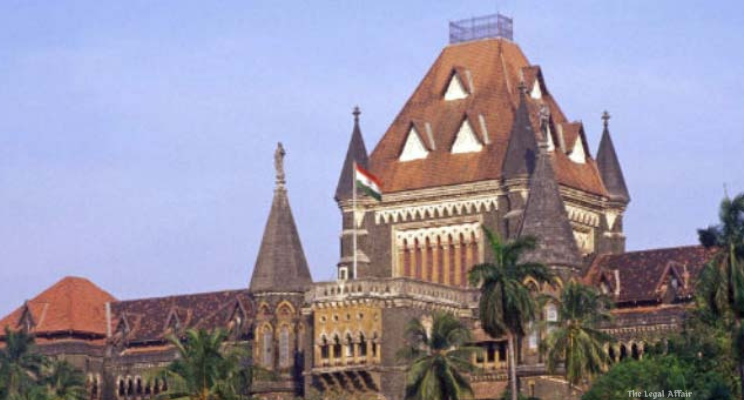
Introduction:
In the case of Shubhamkaroti Charitable Trust and Anr. v. State of Maharashtra and Ors. (PIL(L)/3785/2020), the Bombay High Court addressed a Public Interest Litigation (PIL) seeking oral examinations for students suffering from dysgraphia, a learning disability affecting writing and spelling. The PIL was filed by Shubhamkaroti Charitable Trust and a teacher, advocating for alternative examination methods to ensure equal opportunities for such students. The court, after reviewing the existing government policy permitting writers and extra time for students with dysgraphia, deemed the relief sufficient and disposed of the petition while trusting the authorities to implement the policy effectively.
Arguments by the Petitioners:
The petitioners argued that dysgraphia posed significant challenges for affected students, making traditional written examinations inequitable. They contended that oral examinations would be a more inclusive solution, enabling students to demonstrate their knowledge without being hindered by their disability. The petition highlighted the psychological and educational struggles faced by such students and called for systemic reforms. The petitioners also emphasized the importance of reasonable accommodations in education to uphold the fundamental right to equality under Articles 14 and 21 of the Constitution.
Arguments by the State Government:
The State counsel submitted that the government had already issued resolutions addressing the needs of students with learning disabilities. These resolutions allowed students with dysgraphia to use writers during exams by dictating their answers. Additionally, the State had implemented a policy granting extra time—30 minutes for SSC (Secondary School Certificate) students and 1 hour for HSC (Higher Secondary Certificate) students—during examinations. The counsel argued that these measures adequately addressed the concerns raised in the PIL, ensuring that students with dysgraphia were provided reasonable accommodations to level the playing field. The State further stated that its policies aligned with the principles of inclusive education and were being consistently implemented by educational boards.
Court’s Judgement:
The Bombay High Court presided over by Chief Justice Alok Aradhe and Justice Bharati Dangre, reviewed the submissions and existing policies and concluded that no additional directions were necessary. The court noted that the government had already taken significant steps to accommodate students with dysgraphia by allowing the use of writers and granting extra time during examinations. Acknowledging the comprehensive nature of the policy, the court expressed hope that these measures were being effectively implemented to benefit students in need. The bench remarked, “We hope and trust that the students suffering from such disability are provided the necessary facilities in terms of the policy of the board.” The court, therefore, disposed of the petition, affirming that the existing provisions were sufficient to address the issues raised.