


Introduction:
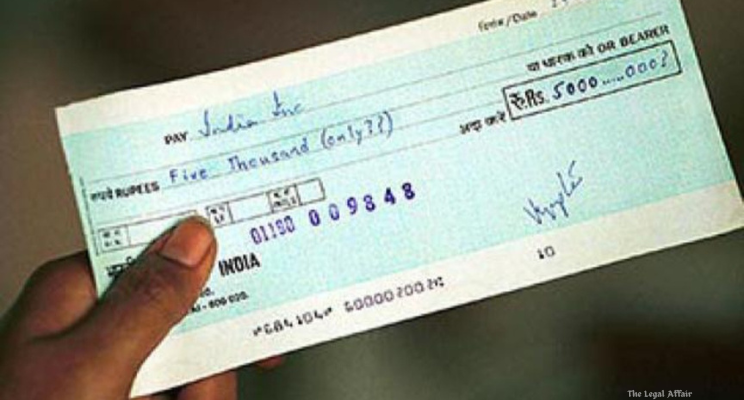
In a significant ruling, the Jodhpur Bench of the Rajasthan High Court recently quashed an FIR against three individuals accused of cheating and forgery. The case involved a dispute over the alleged misuse of a blank signed cheque provided as security to a money lender, which later bounced and led to legal consequences. The complainant, who had originally issued the cheque, accused his brother-in-law and sister-in-law of dishonestly filling in a fraudulent amount and passing the cheque to another party. However, the court ruled that bearer cheques are considered negotiable instruments, and the possessor of such a cheque is deemed its beneficiary unless proven otherwise. Justice Arun Monga presided over the case, concluding that no criminal culpability could be established based on the allegations in the FIR.
Background and Complaint:
The case originated when the complainant, in need of financial assistance, approached his brother-in-law, who introduced him to a money lender. The complainant borrowed money and gave two blank signed cheques as security for the loan. He later repaid the loan, leaving only an outstanding interest of ₹35,000 to be settled.
Some time later, the complainant received a notification on his phone informing him that one of the security cheques had been presented by a third party. Upon further investigation, he learned that his brother-in-law and sister-in-law had made the outstanding interest payment to the money lender, retrieved the security cheques, filled in a false amount, and transferred the cheque to a third party. The cheque subsequently bounced, and the complainant found himself entangled in a case under Section 138 of the Negotiable Instruments Act, filed by the third party.
In response, the complainant filed a complaint under Section 156 of the Criminal Procedure Code (Cr.P.C.) before the Additional Chief Judicial Magistrate, alleging cheating and forgery against his brother-in-law and sister-in-law. Based on this complaint, an FIR was registered, prompting the accused to approach the Rajasthan High Court for quashing of the FIR.
Arguments from the Petitioners (Accused):
The petitioners, represented by their counsel, argued that the allegations in the FIR were baseless and did not constitute any criminal offense. They contended that the cheque in question was a “bearer cheque,” which, under the law, is a negotiable instrument. The petitioners maintained that as long as a bearer cheque is in someone’s possession, that individual is considered its beneficiary, regardless of how the cheque was obtained, unless proven otherwise.
The petitioners further argued that the complainant’s case was entirely civil in nature, and the issue of whether the complainant owed any legitimate debt to the petitioners or the third party would be adjudicated in the Section 138 proceedings under the Negotiable Instruments Act. They asserted that no criminal case of cheating or forgery could be established simply based on the fact that the cheque had been passed to someone else, as the cheque’s negotiability as a bearer instrument made its possession legitimate.
Moreover, the petitioners pointed out that the police had initially declined to register an FIR based on the complaint, recognizing the absence of any clear criminal act. It was only after the complainant approached the Additional Chief Judicial Magistrate under Section 156 Cr.P.C. that the FIR was eventually registered. The petitioners accused the complainant of misleading the magistrate into believing that a criminal act had occurred, despite the police’s earlier decision.
Arguments from the Complainant:
The complainant, on the other hand, contended that he had given the blank signed cheque solely as security for his loan to the money lender, not to the petitioners. He accused his brother-in-law and sister-in-law of manipulating the situation by paying off the remaining loan balance, retrieving the cheques, filling in a fraudulent amount, and transferring the cheque to a third party. The complainant alleged that the petitioners wrongfully transferred the cheque, leading to its dishonoring and the filing of a Section 138 case against him.
According to the complainant, the petitioners’ actions amounted to forgery, cheating, and a breach of trust, as they used the cheque for a purpose other than what it was intended for. He argued that even though the cheque was a bearer cheque, it did not give the petitioners the right to fill in any arbitrary amount and present it to another party. The complainant insisted that the petitioners’ actions were deliberate and malicious, aimed at causing him financial harm and legal troubles under the Negotiable Instruments Act.
The complainant’s counsel further argued that the FIR was justified, as the petitioners had committed clear acts of forgery and cheating by tampering with a security instrument and passing it off as legitimate payment.
Court’s Judgment:
After carefully reviewing the case records and hearing arguments from both sides, Justice Arun Monga of the Rajasthan High Court concluded that the allegations in the FIR did not constitute any criminal offenses. The court emphasized that bearer cheques, by their nature, are negotiable instruments, and the party in possession of the cheque is deemed its rightful owner unless proven otherwise.
The court noted that the complainant’s contention was that the blank signed cheque was intended for the money lender, not the petitioners. However, the court ruled that since bearer cheques are freely negotiable, the question of whether the cheque was legitimately passed on to another person was a matter to be decided in the Section 138 proceedings already underway, and not through a criminal complaint of cheating or forgery.
Justice Monga further observed that the police had initially made the correct decision by refusing to register an FIR, recognizing that the dispute was of a civil nature. The court criticized the complainant for misleading the Additional Chief Judicial Magistrate into issuing directions for the FIR’s registration, despite the absence of clear criminal elements in the case.
The court highlighted that no evidence had been presented to suggest that the petitioners had committed any acts of forgery or cheating. The allegations in the FIR were based purely on the complainant’s assumption that the cheque should not have been passed to the petitioners, which was insufficient to establish criminal culpability.
In its final ruling, the court quashed the FIR against the petitioners, stating that the facts presented in the case did not support the commission of any offenses under the Indian Penal Code. The court reiterated that the issue of whether the complainant owed any legitimate debt in connection with the cheques would be addressed in the Section 138 proceedings, and there was no need for separate criminal proceedings for cheating and forgery.