


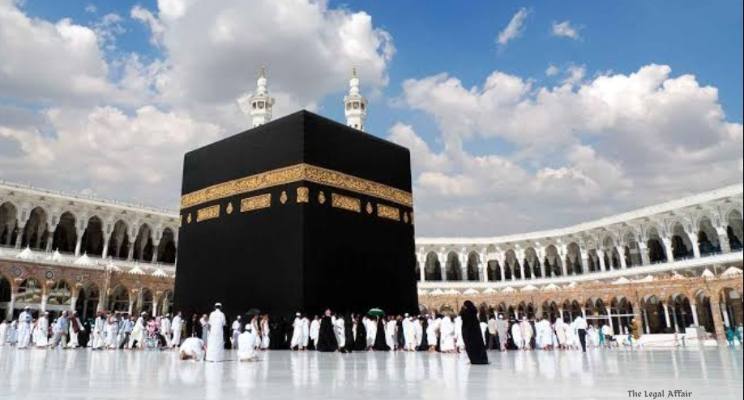
Introduction:
In the matter Mohammad Muslim v. Union of India (2025 LiveLaw (Raj) 256), the Rajasthan High Court, under the bench of Justice Anoop Kumar Dhand, allowed an accused facing charges under Sections 498A and 406 IPC to travel to Mecca-Madinah for performing Haj rituals. The Court ruled that denying permission to travel abroad for religious purposes merely due to the pendency of a criminal case infringes upon the fundamental right to personal liberty under Article 21 of the Constitution. It also issued binding directions to subordinate courts to pass clear and specific orders on such applications to enable passport authorities to act appropriately. The judgment is a robust affirmation that religious freedom and procedural rights are not to be sacrificed on account of unresolved criminal proceedings.
Arguments For Travel (Petitioner):
The petitioner, facing accusations under Sections 498A and 406 IPC, applied for permission to travel abroad for Haj. He submitted that his pending criminal case should not bar him from fulfilling his religious obligation, which is a Constitutional right under Article 21. Relying on Supreme Court precedent in Maneka Gandhi v. Union of India, the petitioner emphasized that the right to travel abroad is an integral aspect of personal liberty and that denial of such permission without a fair and objective order would amount to constitutional violation lawfer.in. He pointed out that both the trial court and Passport Authority rejected his application on technicalities without considering the constitutional dimension of religious travel.
Arguments Opposing Travel (State/Authorities):
The respondent authorities, including the Passport Authority of India, had denied the application citing the pendency of the criminal case. The trial court too refused permission on procedural grounds, without engaging with the petitioner’s fundamental rights. The authorities implicitly argued that allowing travel would hamper judicial process or risk non‑return. No substantive assessment of whether denominations or religious necessity could override these concerns was recorded.
Court’s Judgment & Key Observations:
Justice Dhand began by underscoring that the right to travel abroad for religious purposes is guaranteed under Article 21, as held in Maneka Gandhi, which requires that any restriction on personal liberty must be by a fair, just, reasonable and non-arbitrary procedure. The Court held that simply because a criminal case is pending under Sections 498A or 406 IPC, an accused cannot be summarily denied permission to travel abroad, especially for religious obligations. Denial of such permission, when not grounded in a balanced assessment, violates the right to personal liberty.
The Court emphasized the need to strike a balance between the prosecution’s right to a fair trial and the petitioner’s right to religious freedom. It noted that conditions could be imposed—such as bail conditions, surrender of passports after travel, bond or interim reporting—to ensure judicial process is not compromised. It specified that granting such conditional travel does not prejudice the trial, and judiciary must adopt a pragmatic approach rather than a punitive one.
Further, the Court issued a general judicial direction requiring subordinate courts to pass clear and specific orders granting or denying such travel applications. This clarity is essential to guide Passport Authorities in a transparent, legally sound manner and prevent arbitrary administrative denials.
In conclusion, the Court granted the petitioner permission to travel to Mecca‑Madinah for a period of two months for Haj, subject to appropriate conditions, thereby reconciling constitutional rights with prosecutorial concerns. The appeal succeeded on constitutional grounds rooted in Article 21 and religious liberty.